For as long as I can remember, I had wanted to see a truly wild rainforest in Australia. Not a manicured tropical garden or somewhere you could stroll around for an hour and tick off a few viewpoints, but somewhere that felt properly remote, wild and alive. That place was the Daintree.
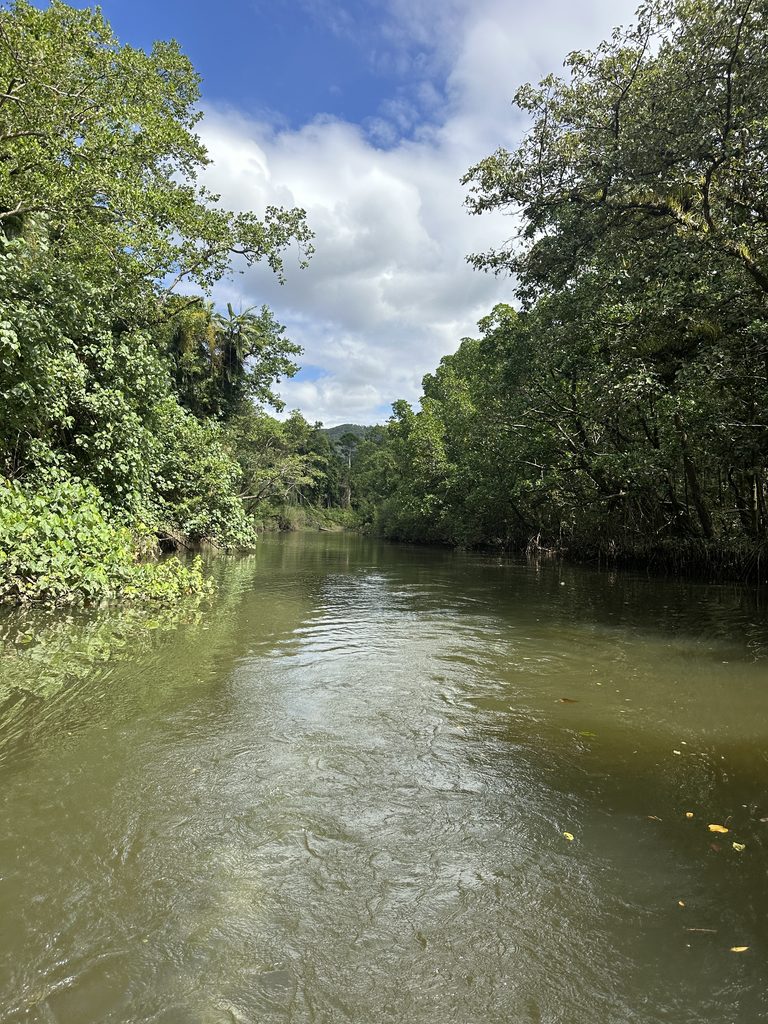
Way up in Far North Queensland, the rainforest comes up close to the turquoise waters of the Coral Sea. Rivers wind through dense vegetation, enormous trees disappear into the canopy, colourful birds call from somewhere you can’t quite see, and crocodiles patrol the waterways.
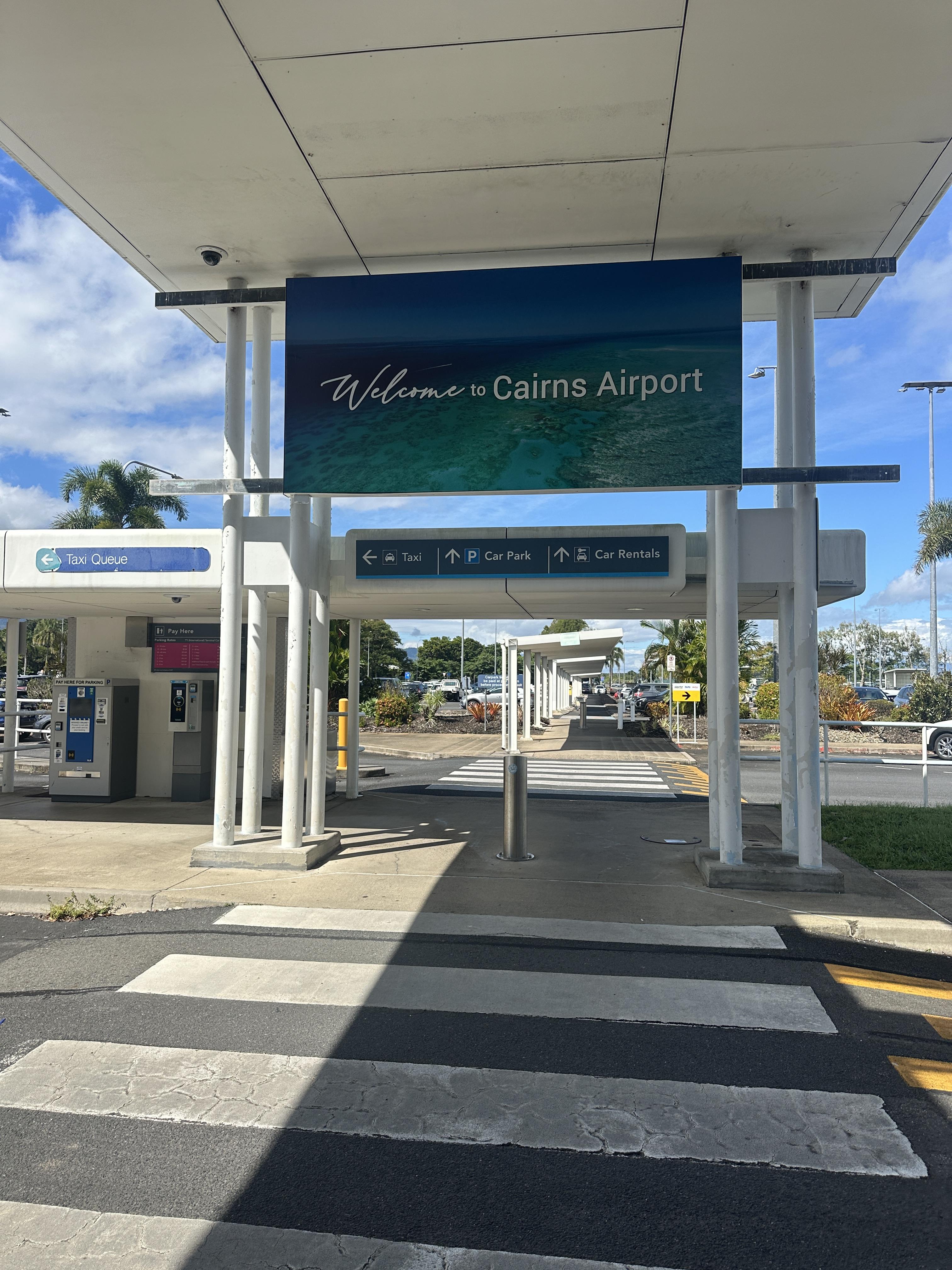
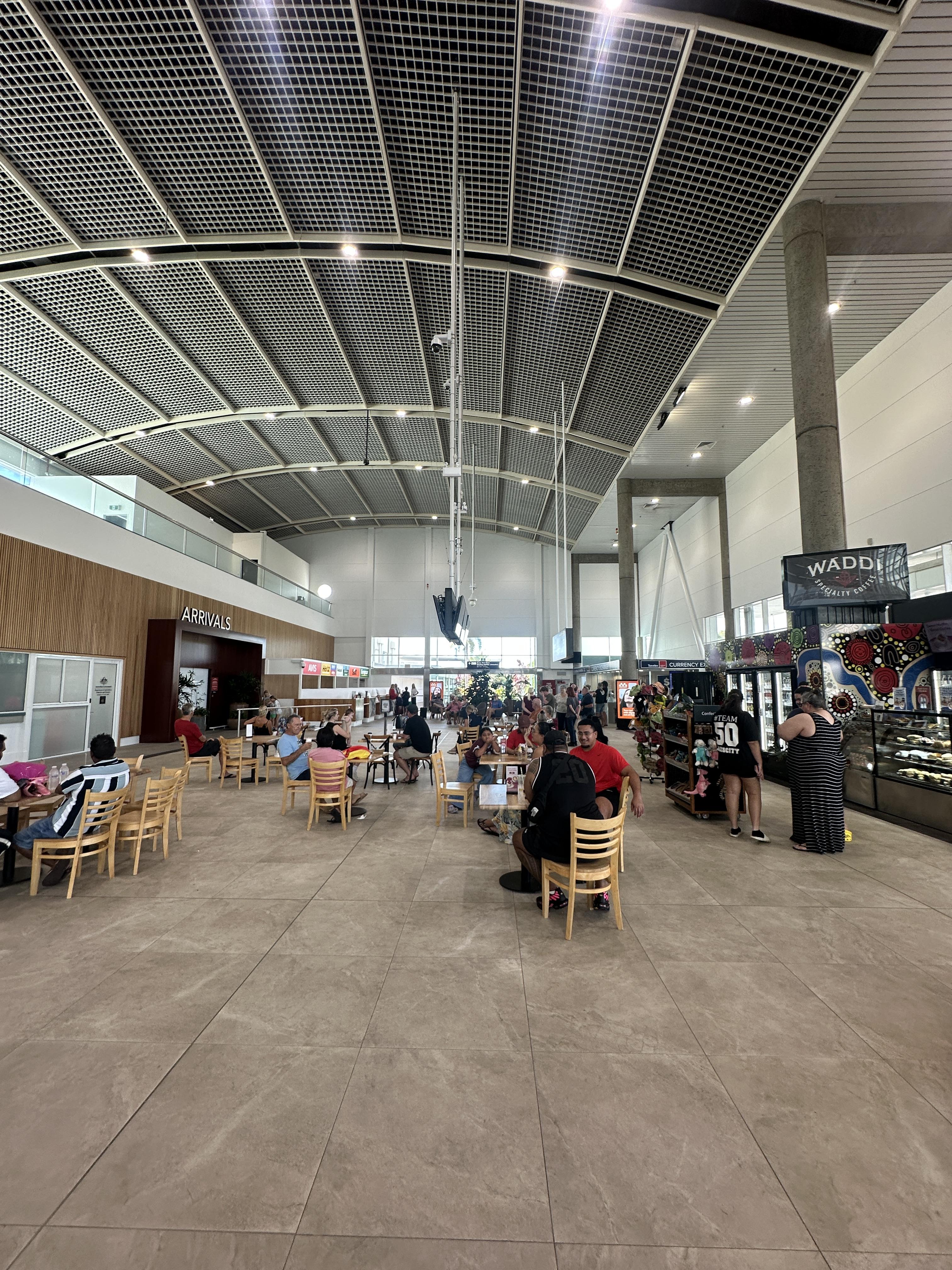
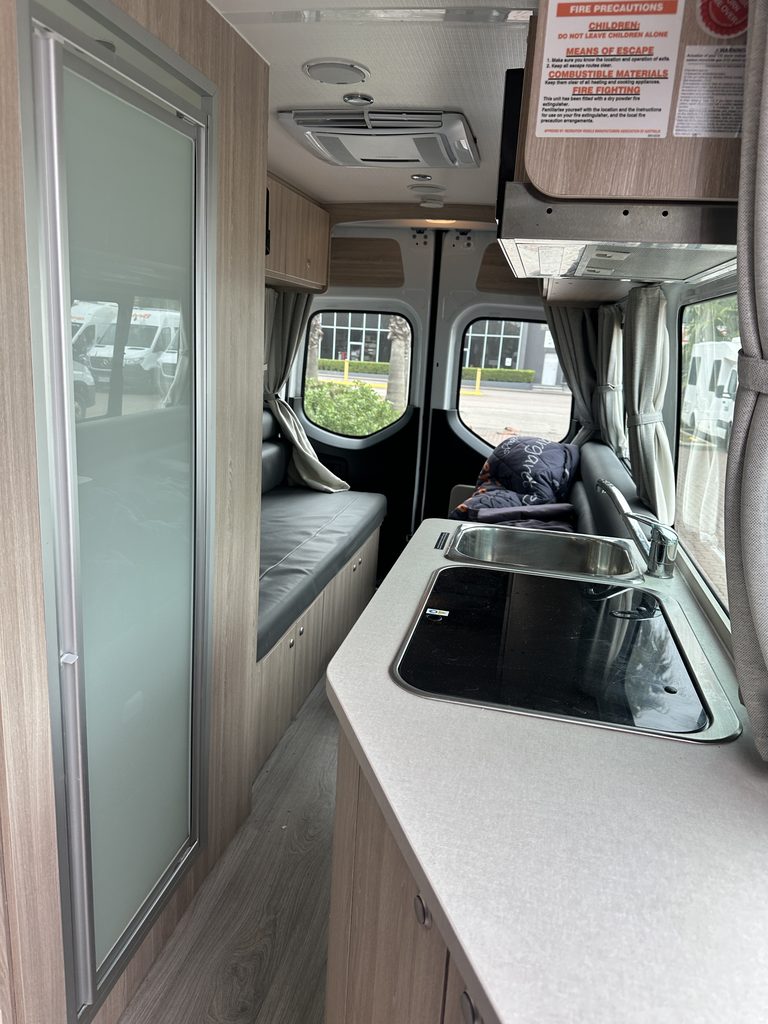
I hadn’t actually planned to go there. I had flown into Cairns Airport, picked up a rather magnificent Maui motorhome, which was to be my home for the next two weeks, and had a simple plan: head south towards Sydney.
Then I had one of those moments in life when you realise you’re only a couple of hours from somewhere you’ve wanted to visit for years. Unfortunately, it was in completely the wrong direction. So, after the strongest coffee I could find, I took a deep breath and made a totally irresponsible decision based on two simple words: Why not?

From Cairns to the Daintree
The journey to the Daintree is part of the adventure. From Cairns, the drive north follows the coast towards Port Douglas. This is a popular base, particularly for travellers who want access to restaurants, shops and a wider range of accommodation while making day trips into the Daintree. However, I was not that type of traveller. I wanted to stay in the rainforest, so on I went.
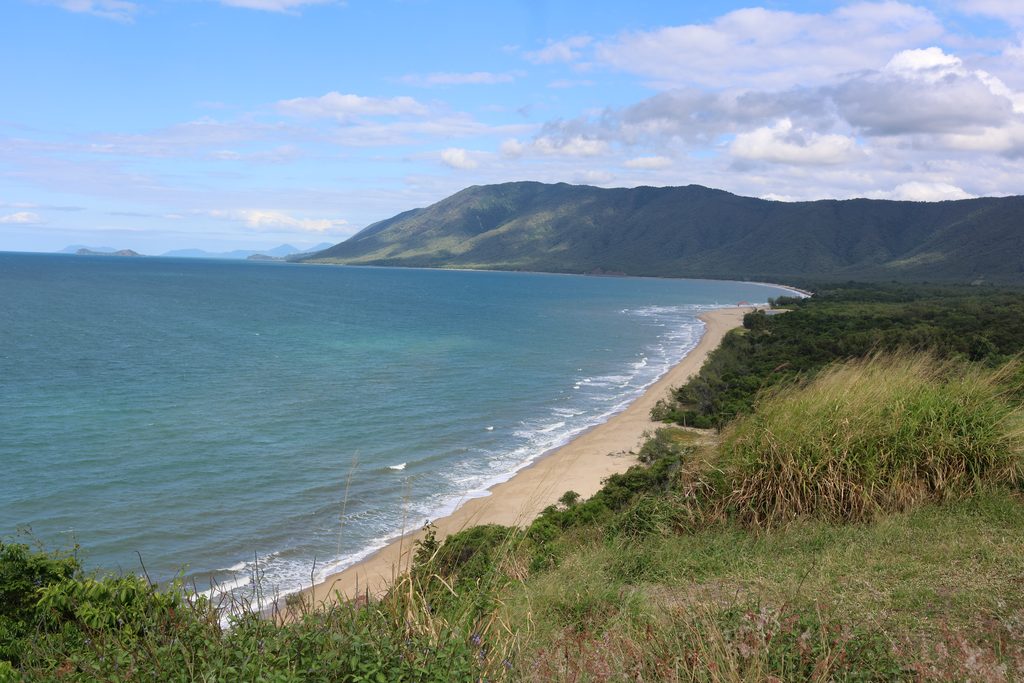
En route, the scenery became increasingly wild and scenic. Despite amazing weather, white sandy beaches were almost completely deserted in May. As the road approached the Daintree River, the landscape changed dramatically. Tropical vegetation crowds the roadside, mountains rise in the distance, and the air seems heavier with humidity and the scent of plants.
Entering the Daintree
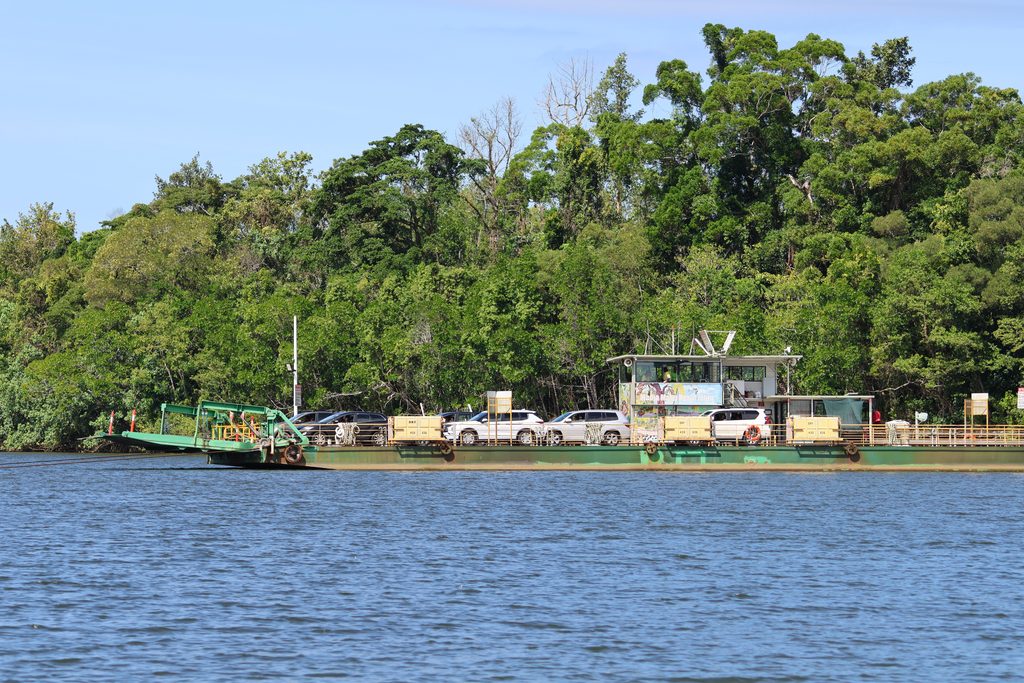
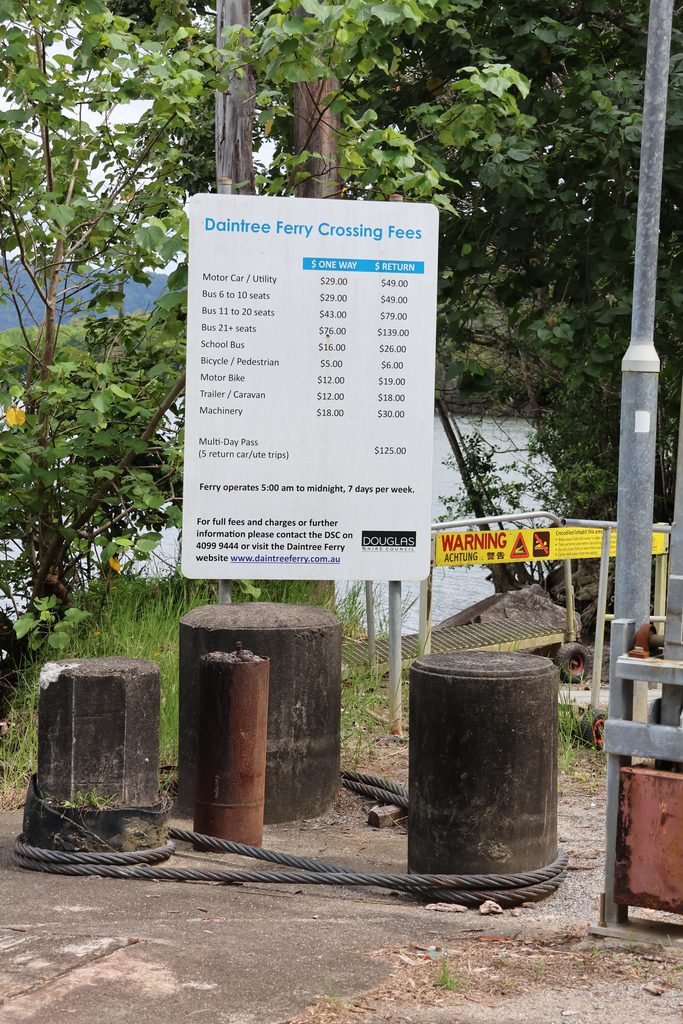
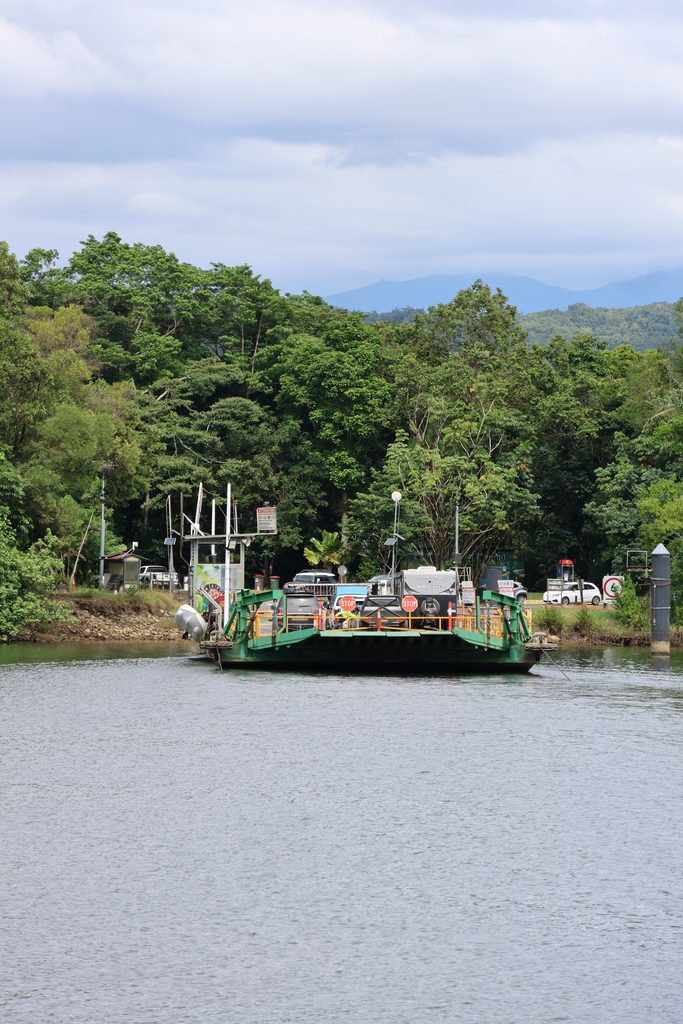
To enter the Daintree you need to take a short ten-minute ferry crossing. The cost was A$45 return for me and the motorhome. For my money, I was also given a really useful map detailing the 24-kilometre route through the Daintree and the key places to stop along the way to Cape Tribulation.
On board an Aussie lady was parked next to me. She was the stereotypical slightly eccentric farm girl, in a clapped-out but beefed-up pick-up truck loaded with wooden planks, none of which seemed very securely fastened. During the crossing a guy behind got out with a roll of gaffer tape and tied them up for her. This was going to be quite an adventure and it really felt that I was entering the unknown.
As I drove away, giving the farm girl a wide berth, I was indeed in another world. There was lush green vegetation, small waterfalls beside the road, some of which had caused landslides and boulder falls, along with warning signs for jellyfish, crocodiles and the endangered cassowary. There were even road alerts for the very rare tree kangaroo. These were the reasons I had come to the Daintree!
The Ancient Rainforest
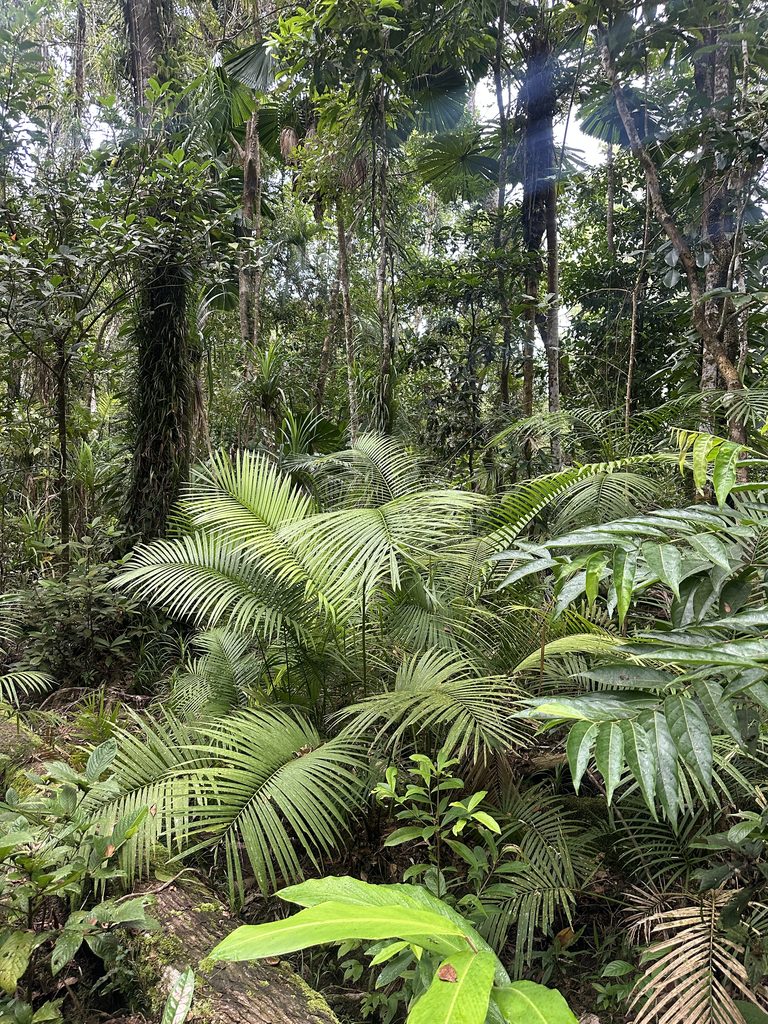
One of the most extraordinary things about the Daintree is its age. The wider Wet Tropics rainforest region is estimated to be around 180 million years old, making it far older than many of the world’s famous rainforests.
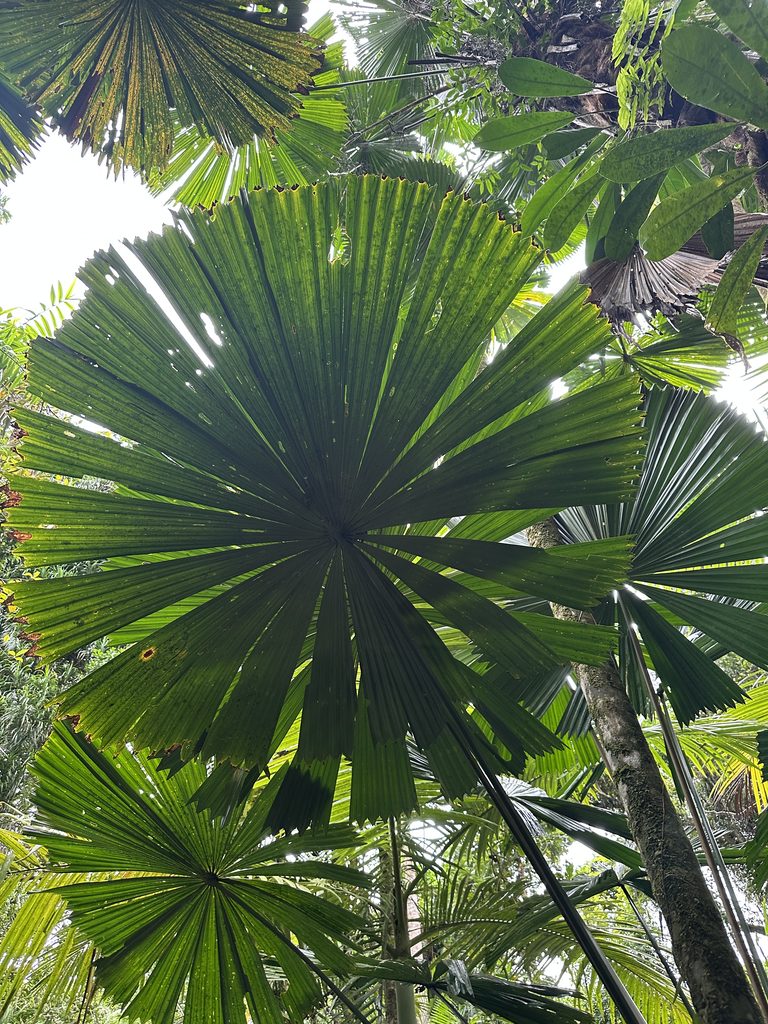
Walking beneath the canopy, it is easy to understand why the forest feels ancient. Giant trees rise towards the sunlight while palms, ferns and climbing plants fill almost every available space.
Where To Stay
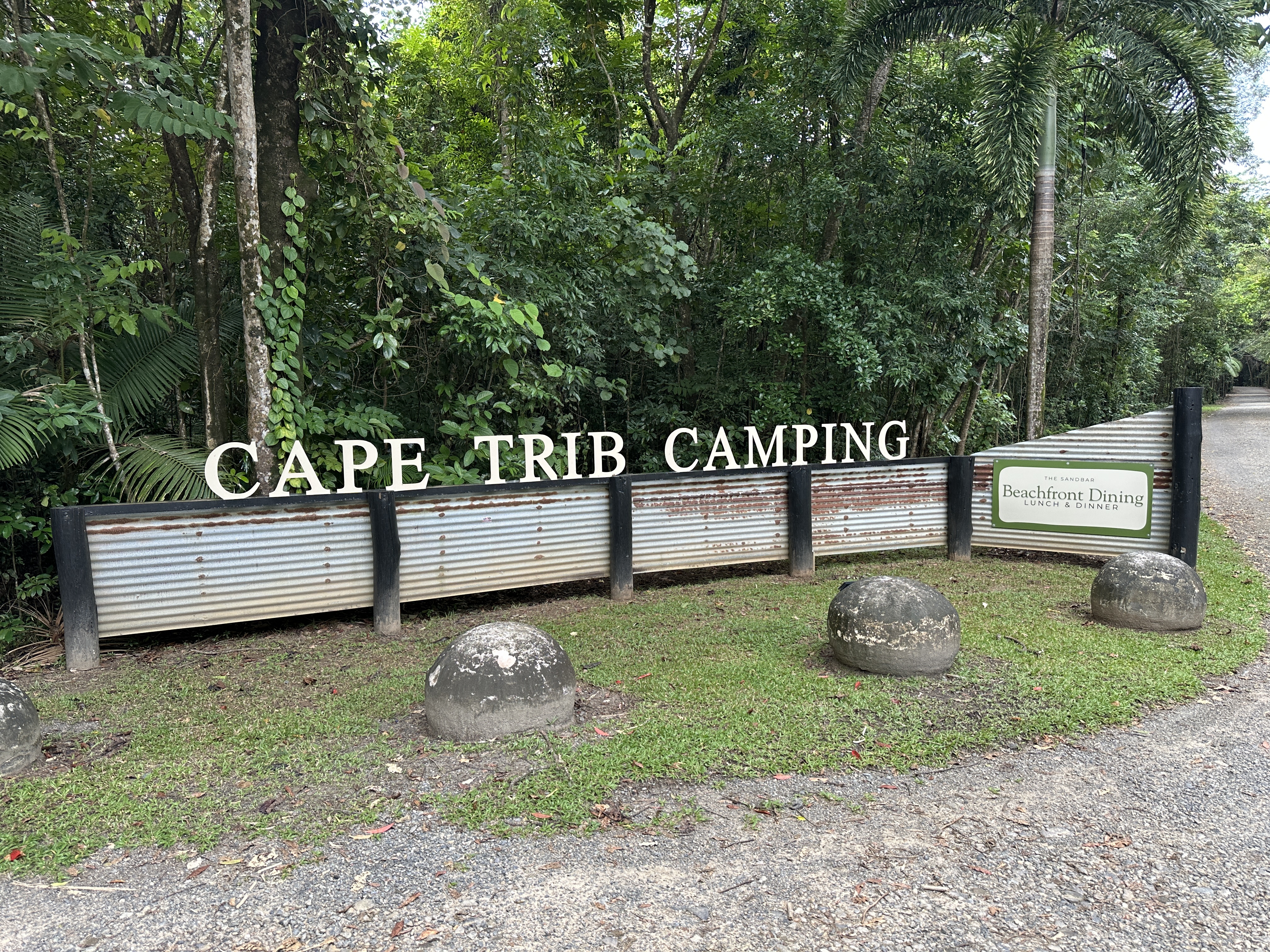
With the afternoon light fading, I arrived at a hastily booked campsite that was on the beach yet in the rainforest, Cape Trib Camping.
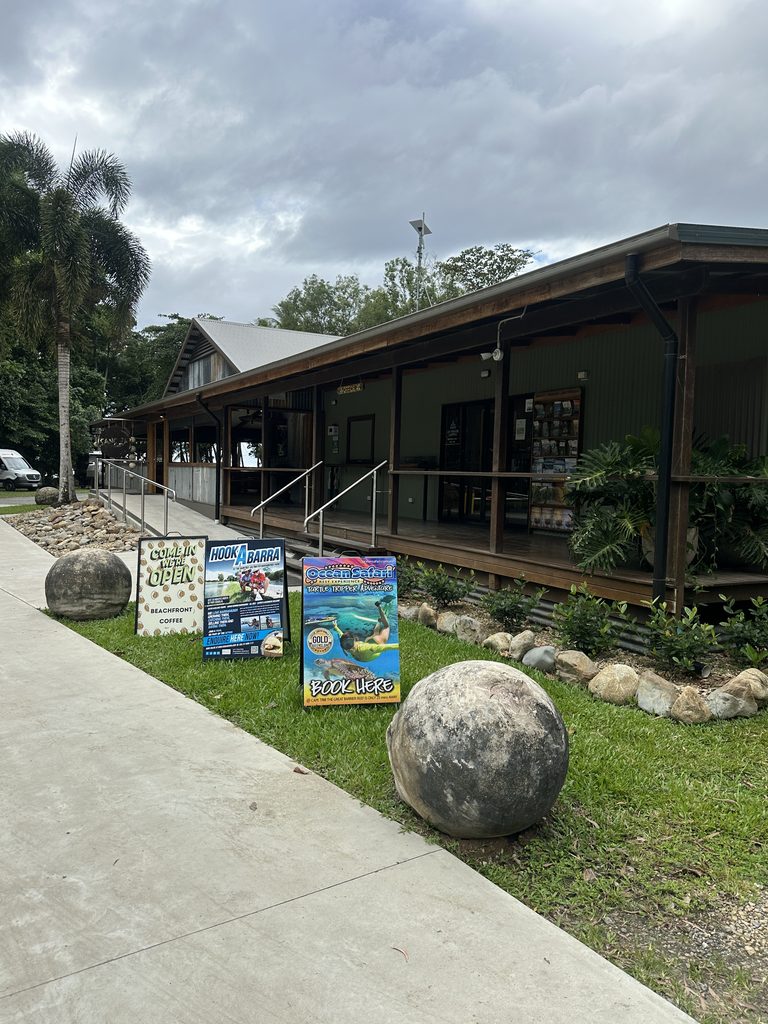
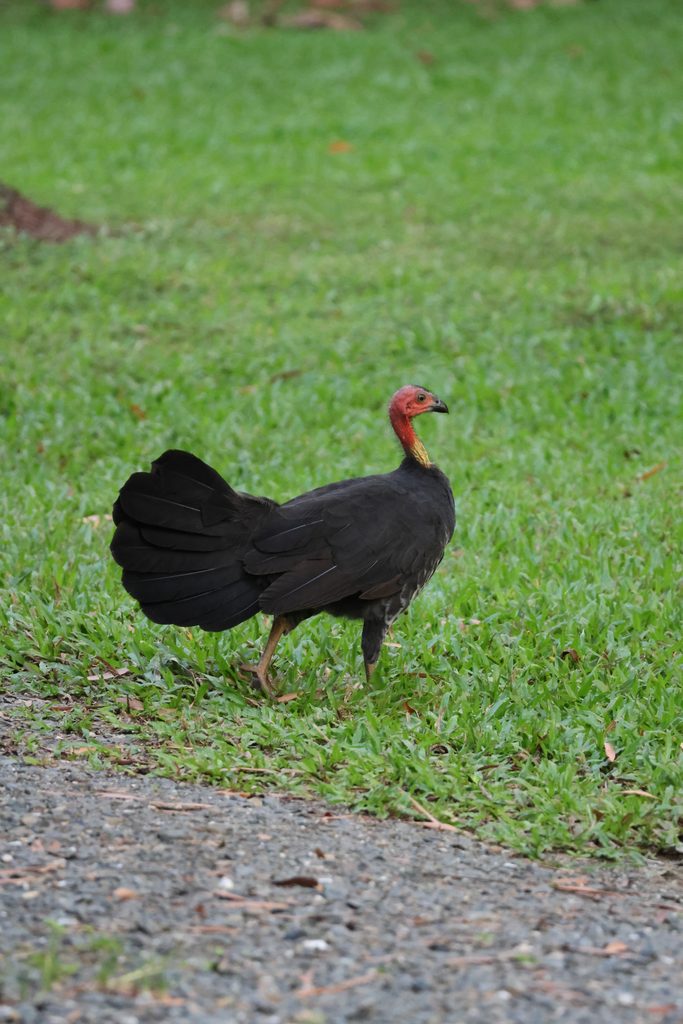
The campsite was dreamy! There were excellent facilities and the location was just 50 yards from the ocean. There was also an open-air restaurant area serving delicious wood-fired pizzas and ice-cold beer while the rather amusing Australian brush turkeys wandered around the site and strange birds and insects provided a musical backdrop.
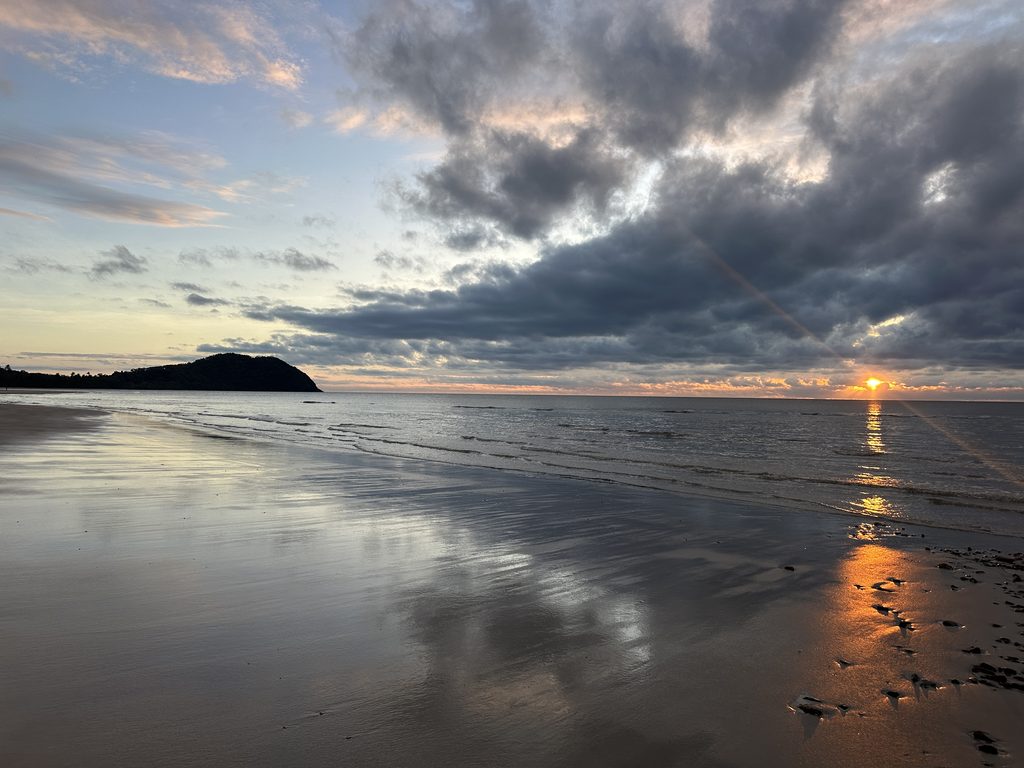
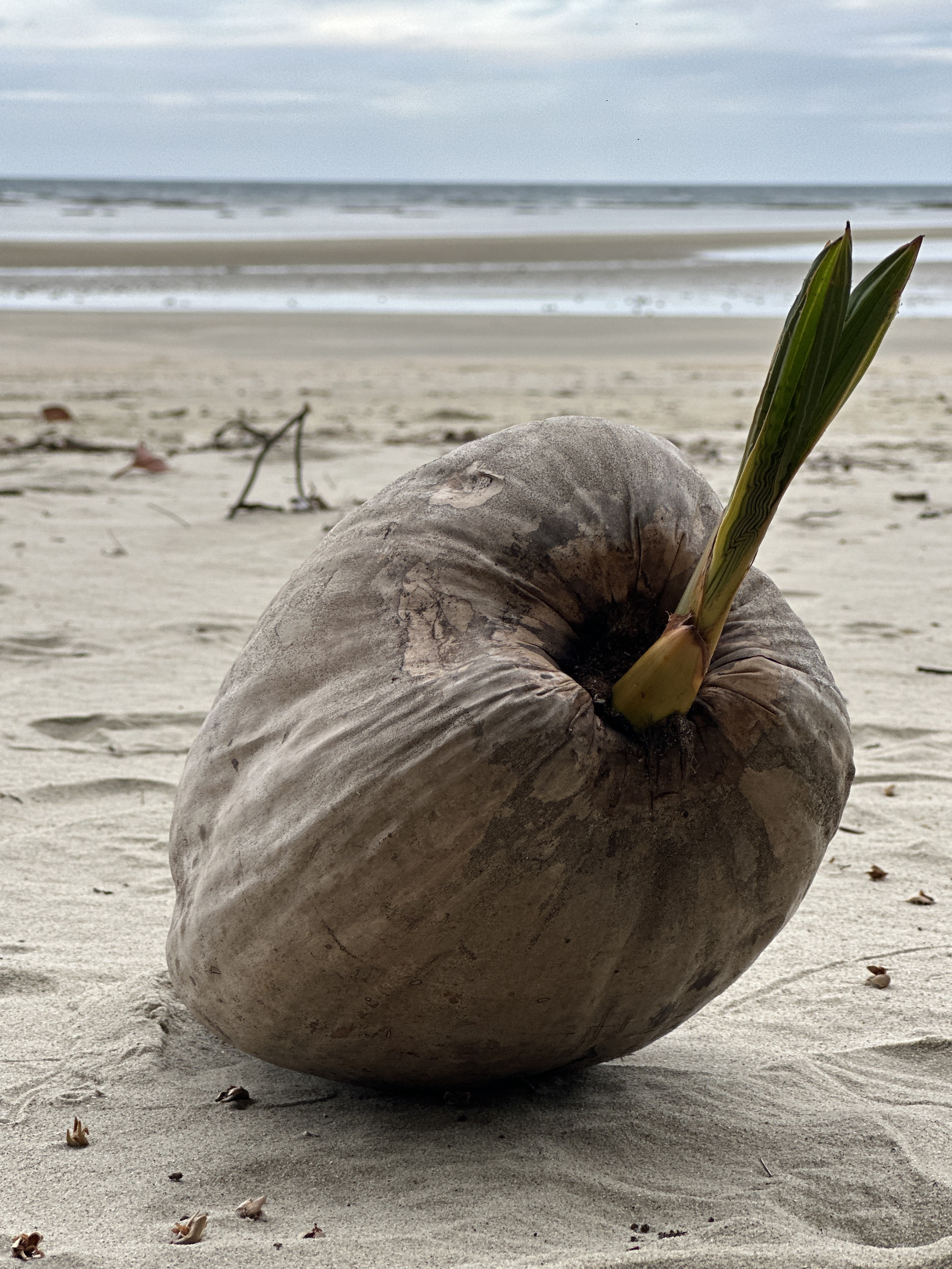
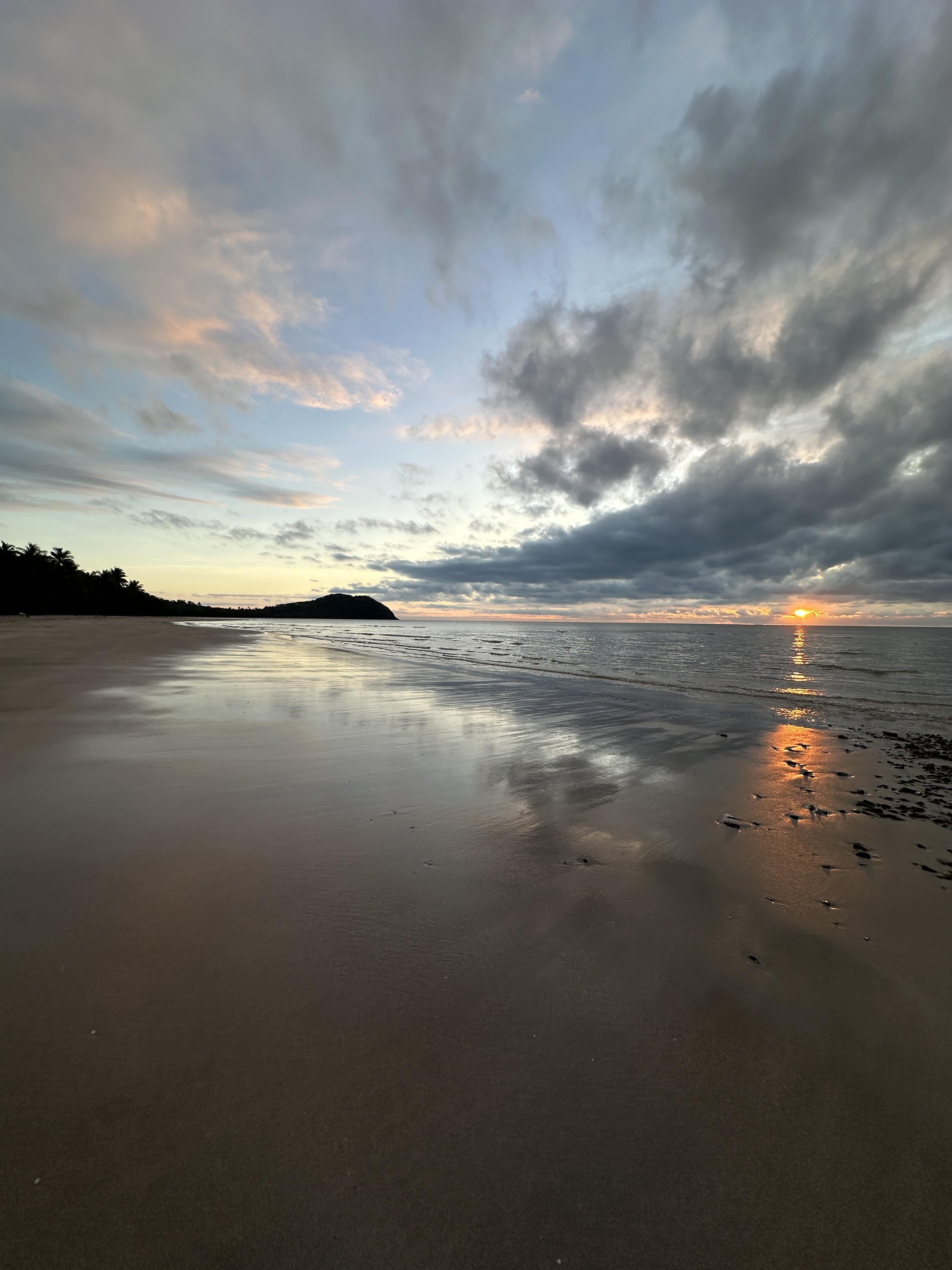
Sunset and sunrise here were truly special. I remember sitting on the white sand beside a coconut, a fresh green shoot emerging from its husk, with the rainforest behind me and the ocean stretching out ahead. Everywhere I looked, there seemed to be new life beginning, a reminder of the constant cycle of growth and regeneration. The Daintree was already living up to my expectations, and then some.
Turtle Rock Café
The following morning my first stop was at the Turtle Rock Café, a laid-back hippy hangout that seemed to attract absolutely everyone: backpackers, solo travellers, families, locals, dogs and, naturally, more brush turkeys who seemed to be mimicking my life and just wandering around aimlessly.
It had the feel of a little community hub. Everyone was sitting around the rustic terrace in the increasingly warm and humid morning air, drinking coffee, eating breakfast and working out what they were going to do with their day.

Cassowary Crossing
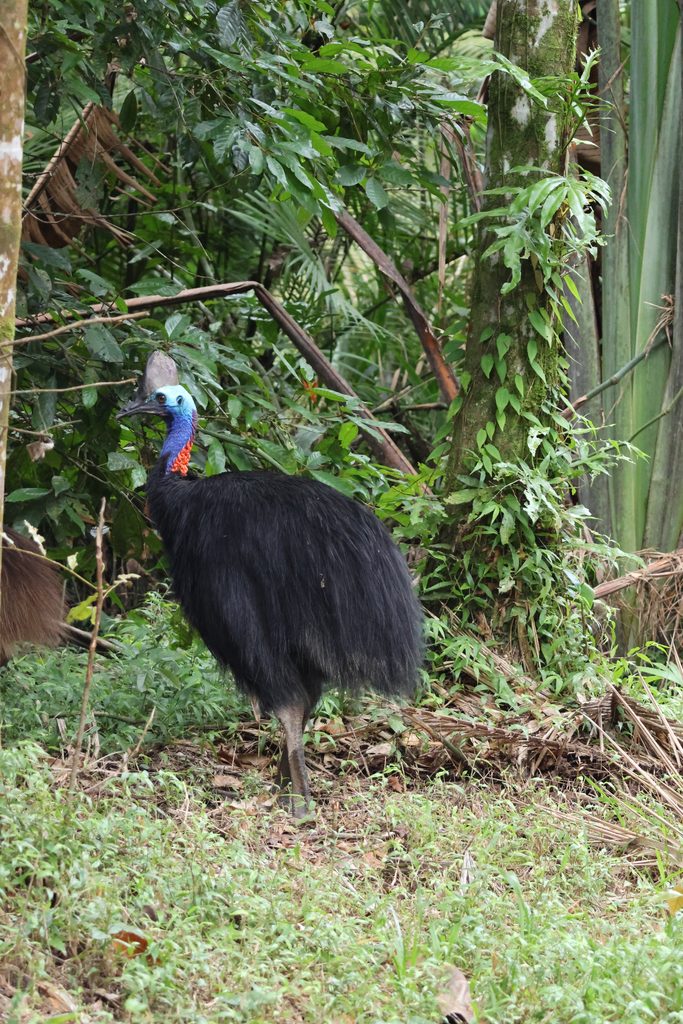
After breakfast, I was on the road. One of the things you’ll quickly notice in the Daintree is the number of warnings about cassowaries. The southern cassowary is an enormous, flightless bird with a striking blue and black appearance and a reputation for being rather formidable. They’re rare, and you’re constantly reminded to slow down and give them plenty of space.
With so few left in Northern Australia, I wasn’t expecting to see one. Yet just ten minutes after leaving Turtle Rock Café, I got lucky. Standing at the roadside was a huge male cassowary, and with him was a not-so-little chick. I stopped, kept my distance and simply watched. I’d been in the Daintree for less than a day and had already seen something I genuinely hadn’t expected to see at all.
It wasn’t even 8:00 am, yet my day had been made.
Cape Tribulation
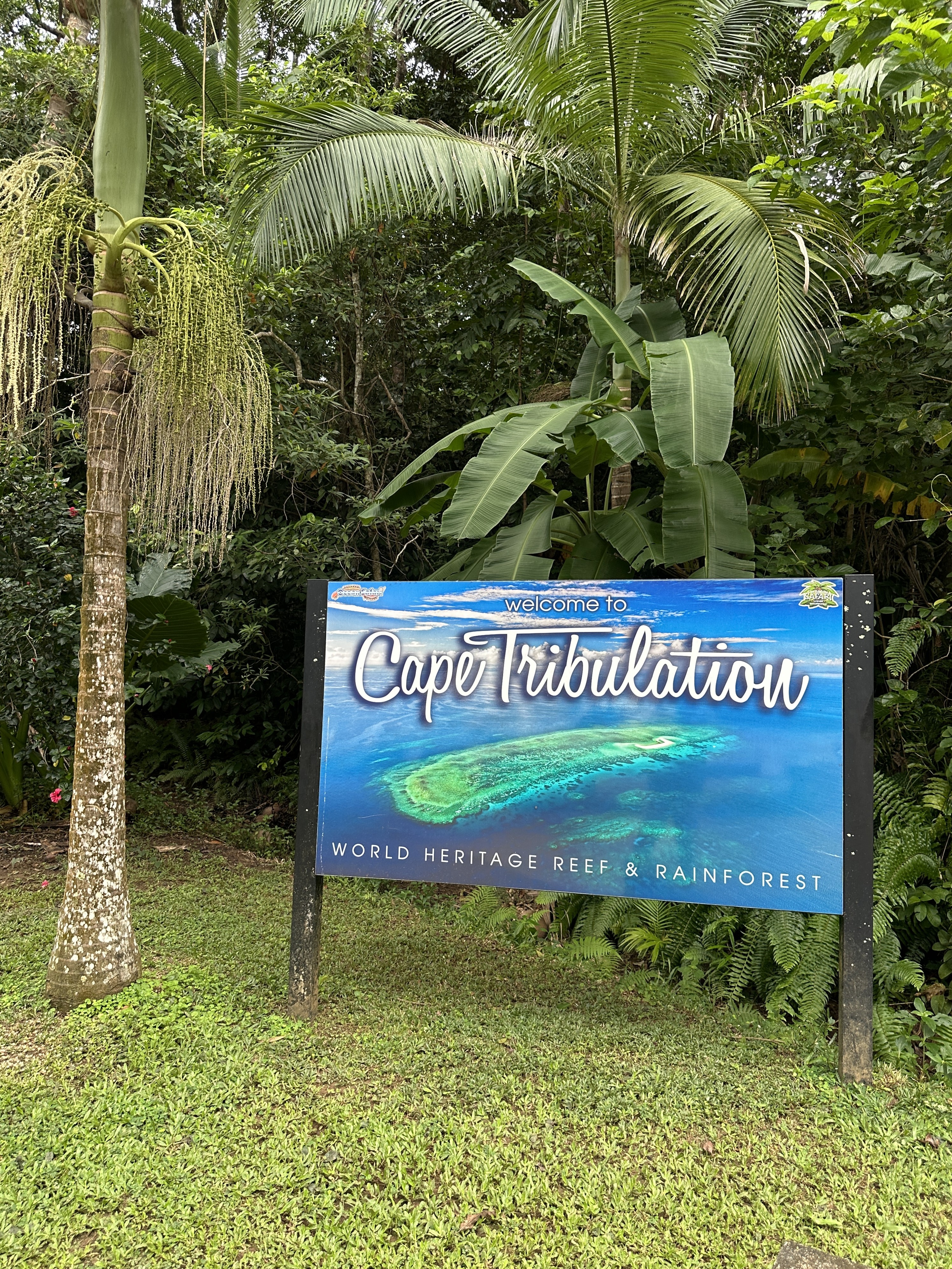
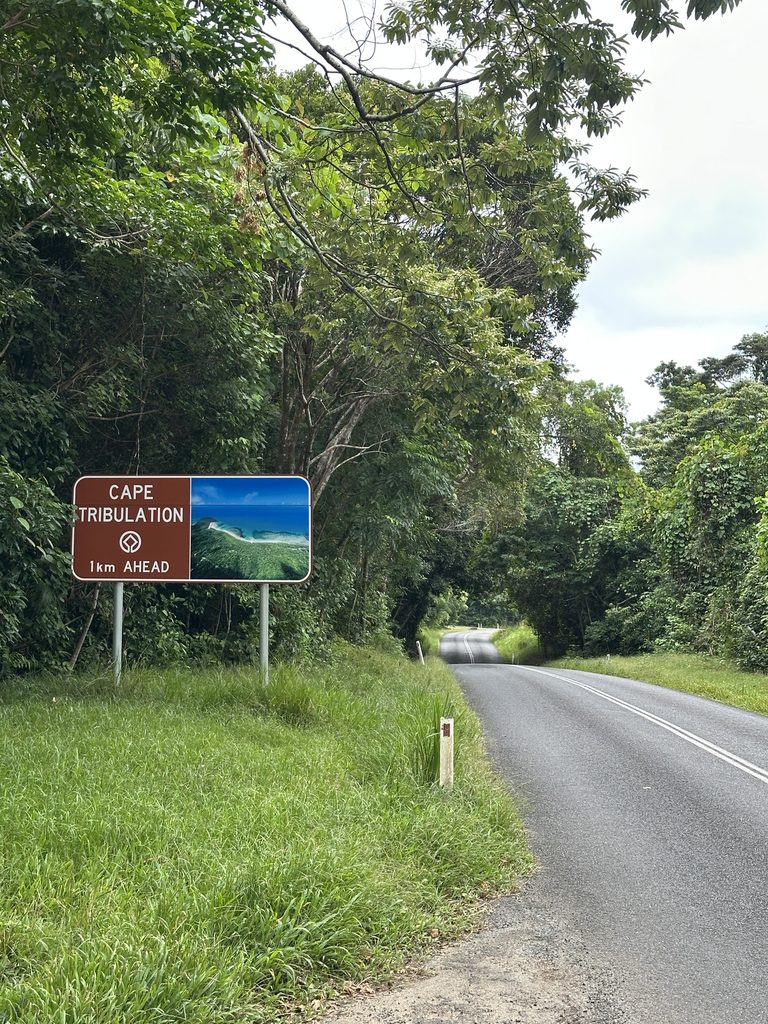
A must-visit is Cape Tribulation, a remote headland in northern Queensland where two World Heritage sites, the Daintree Rainforest and the Great Barrier Reef, meet.
The road gets narrower and bumpier as you head towards the Cape, but that’s part of the fun. At Kulki Lookout, you can park up and take the short walk to one of the area’s best vantage points.
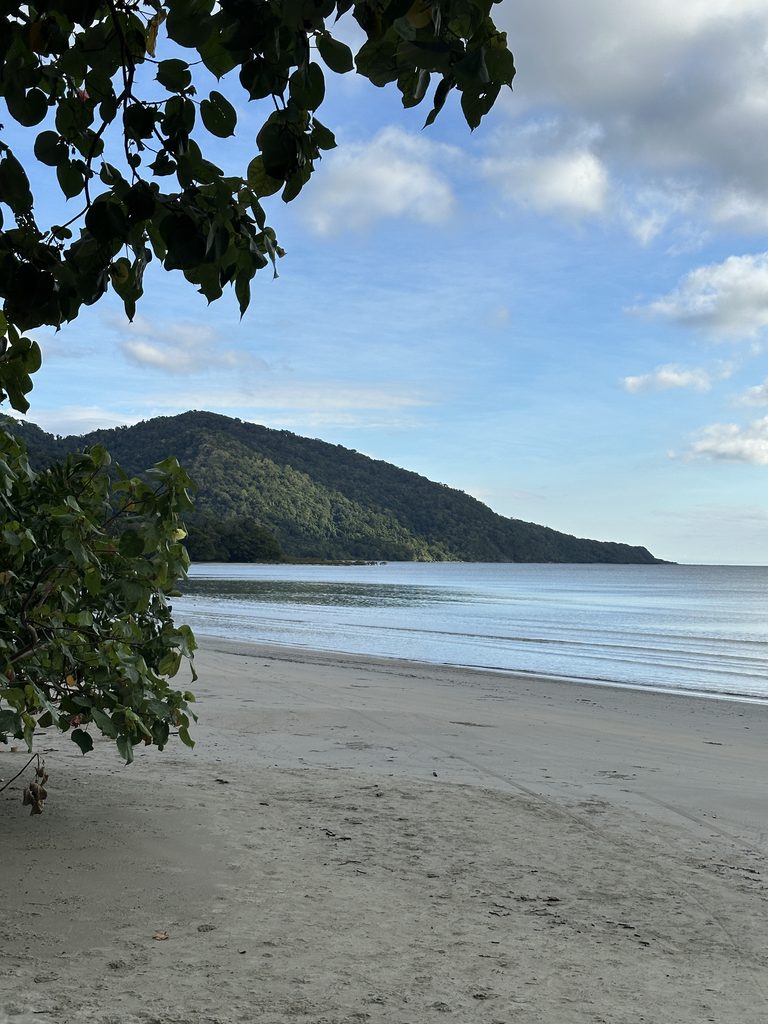
Below, Cape Tribulation Beach stretches beneath the rainforest, with blue water disappearing towards the horizon. It is one of those magical places where you find yourself standing there for longer than you intended.
Madja Boardwalk
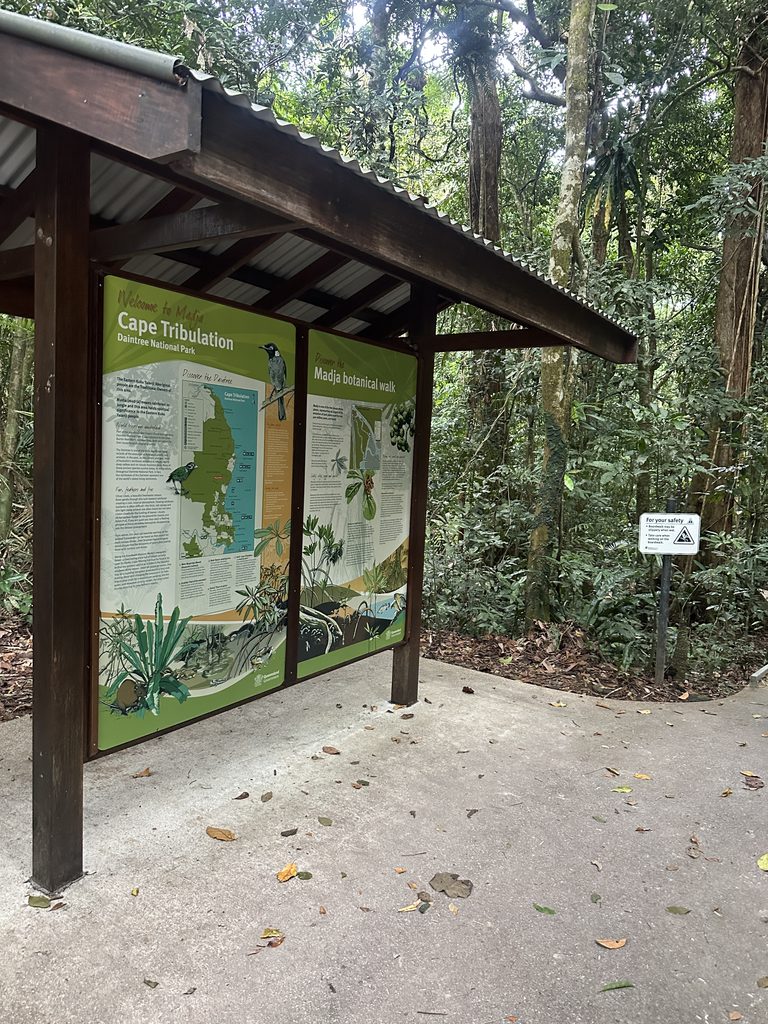
A lady on reception at Cape Trib Camping had recommended I visit either the Jindalba or the Madja Boardwalk. I opted for the latter, a 45-minute walk through rainforest and mangrove habitat, eventually reaching the edge of the beach before looping back.
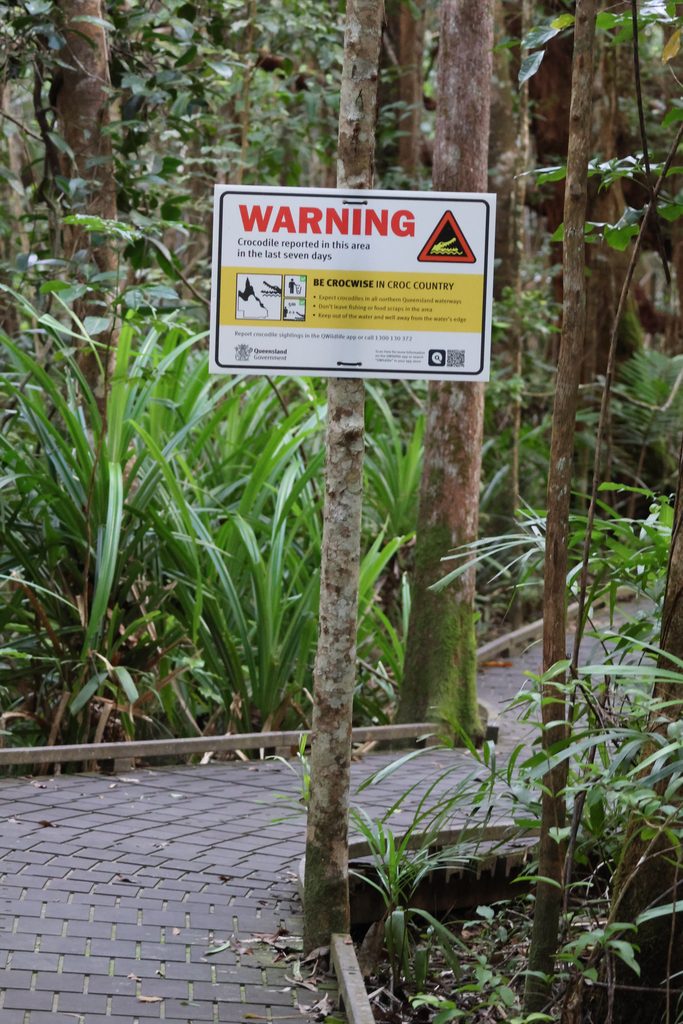
This was perfect, except there had been crocodile warnings in the area only the day before! Those ‘why not’ moments had turned into ‘well, I’m here now, so I best get on with it’ moments.
I pulled on my walking boots and ventured into the jungle rainforest at Oliver Creek. Walking along the boardwalk, you’re elevated a few feet above the forest floor, which gives a reassuring sense of safety. But there are sections where the path returns to ground level, and those definitely kept me on my toes!
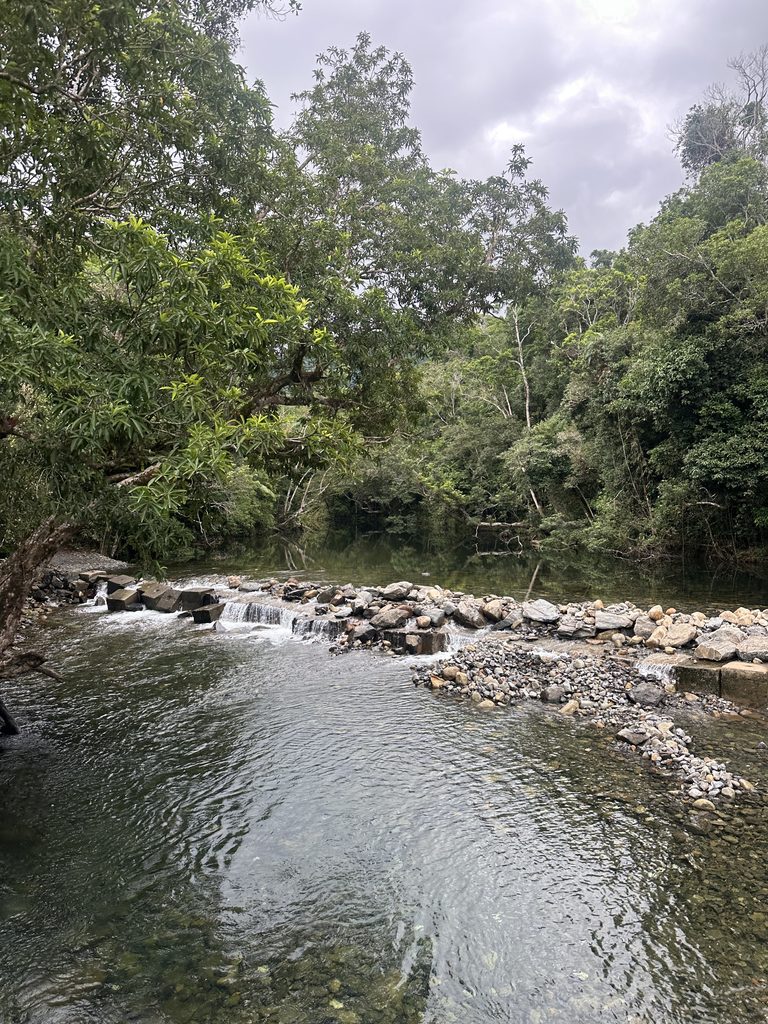
There are a few viewing areas as you go around. I loved the mangroves at Noah Creek, where kingfishers were diving for food, and all the while a variety of birds and insects filled the air.
After the most wonderful walk, I was back at my car. I had not seen a soul, which was great, but rather disappointingly, I had not seen a croc either, although that was probably for the best!

Daintree Ice Cream
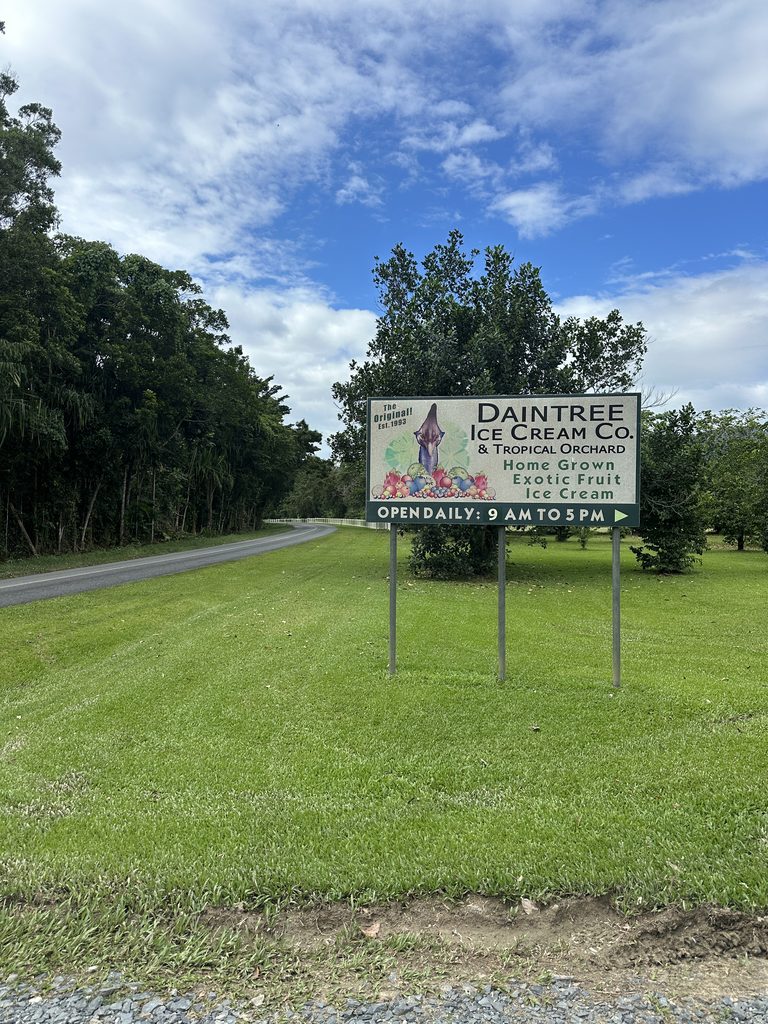
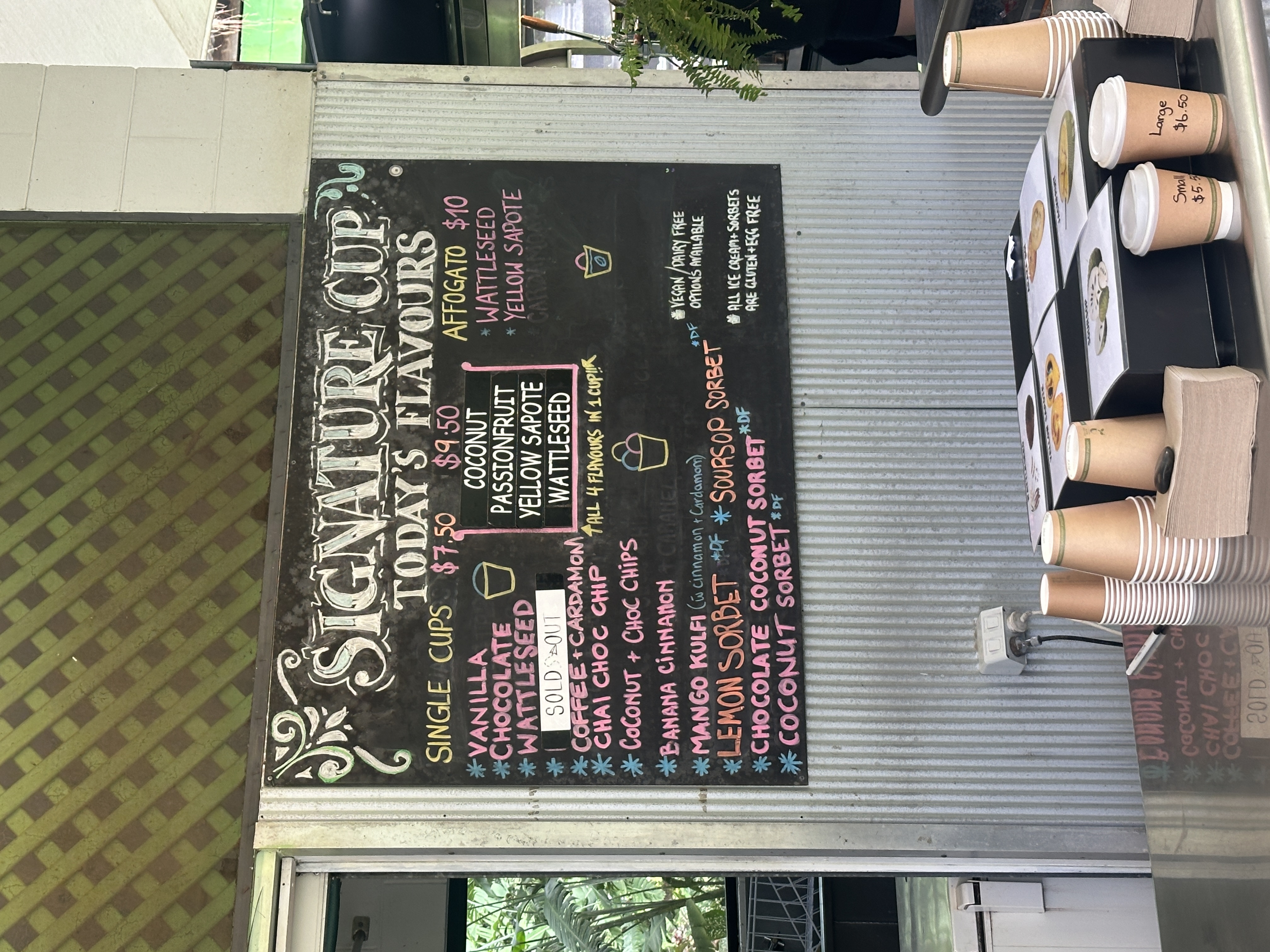
Another recommendation led me to the Daintree Ice Cream Company, where tropical fruits grown on the surrounding orchard are turned into gelato, sorbet and ice cream.
Not only is the ice cream delicious, but the scenery is also delightful, with an open-air setting surrounded by orchards, rainforest and mountains.
There are worse ways to take a break!
Discovering the Daintree River
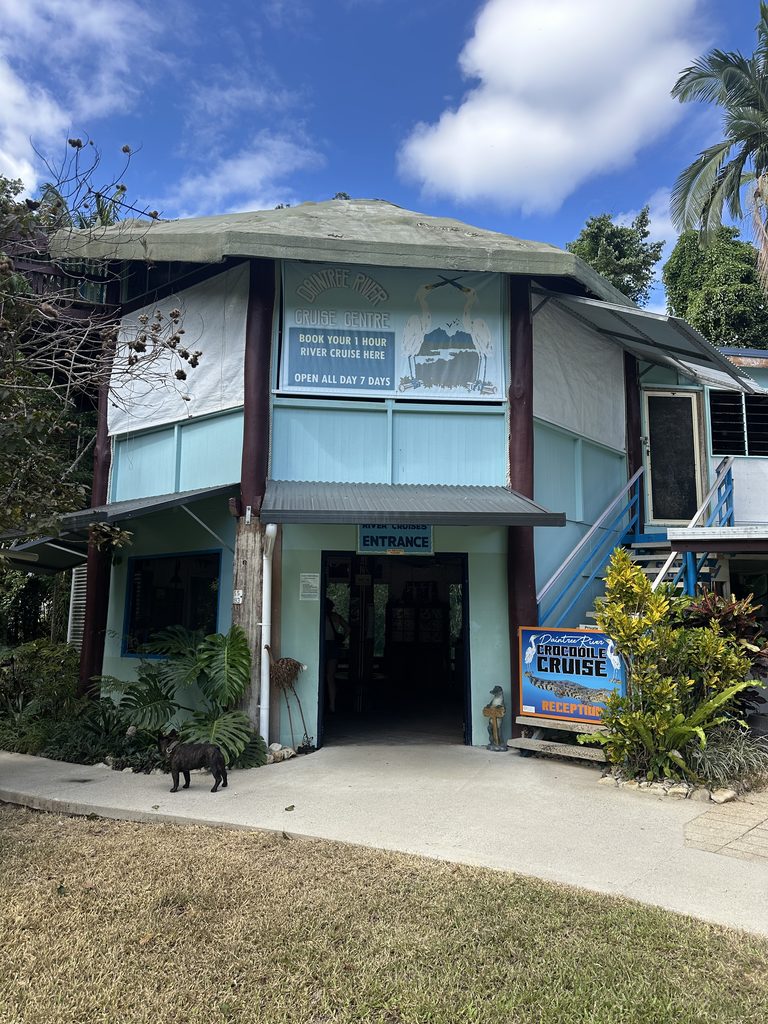
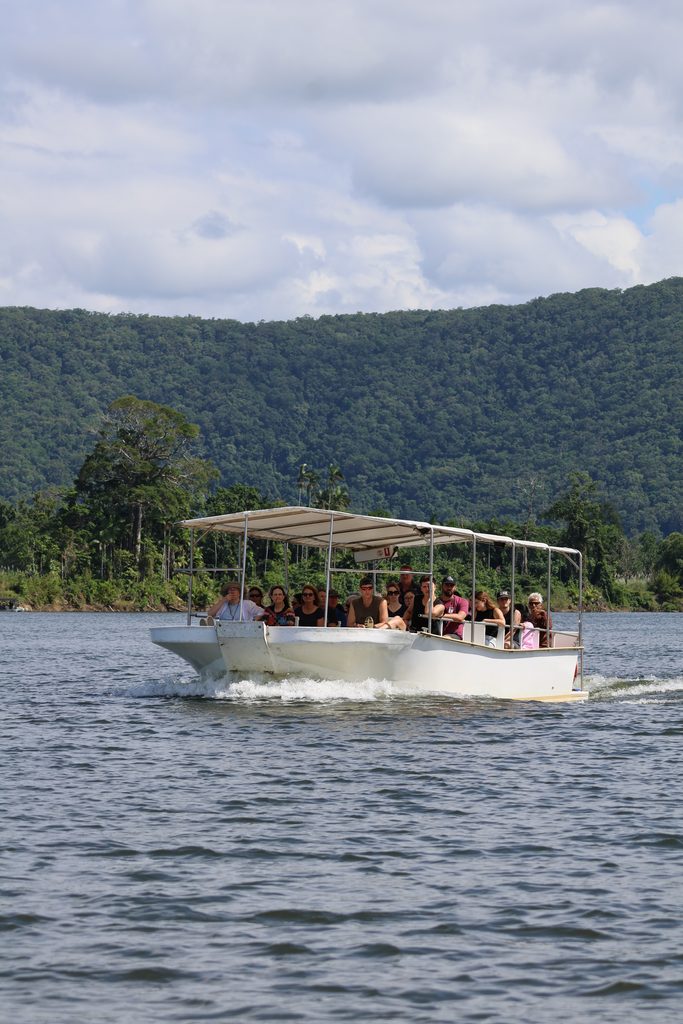
By the afternoon, I decided it was time to try my luck on the Daintree River. If I wasn’t going to find a crocodile on foot, perhaps I’d have more luck from a boat. I joined a Daintree River Crocodile Cruise, which cost A$45 and lasted around two hours.
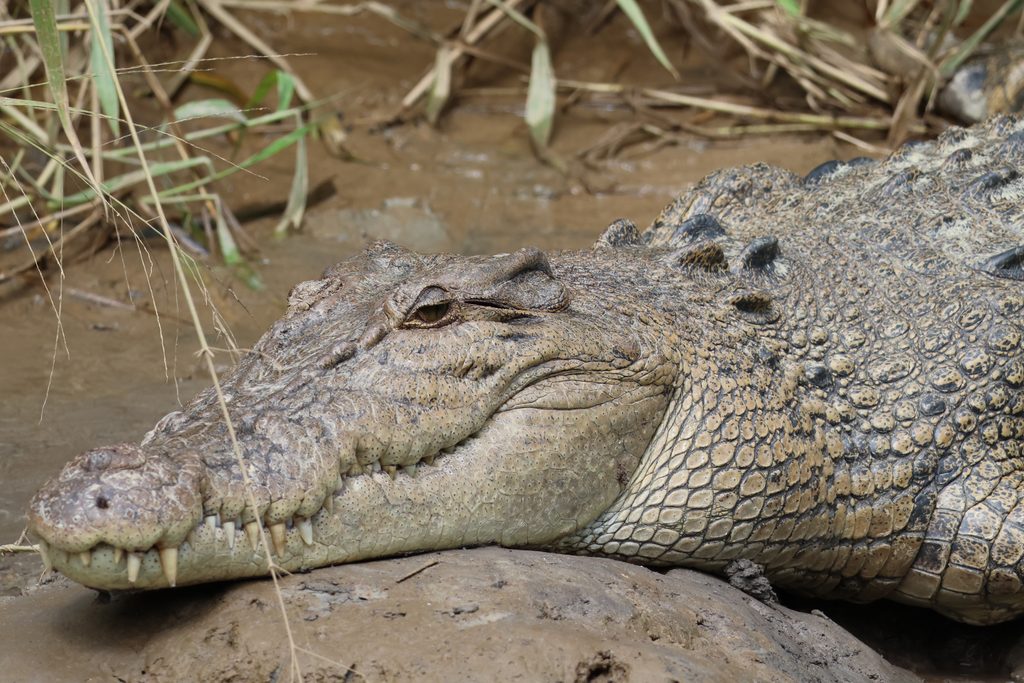
Crocodiles aren’t necessarily easy to spot; however, our local guide knew exactly where to look. They can sit almost completely motionless on the riverbank or float so quietly in the water that you could easily miss them.
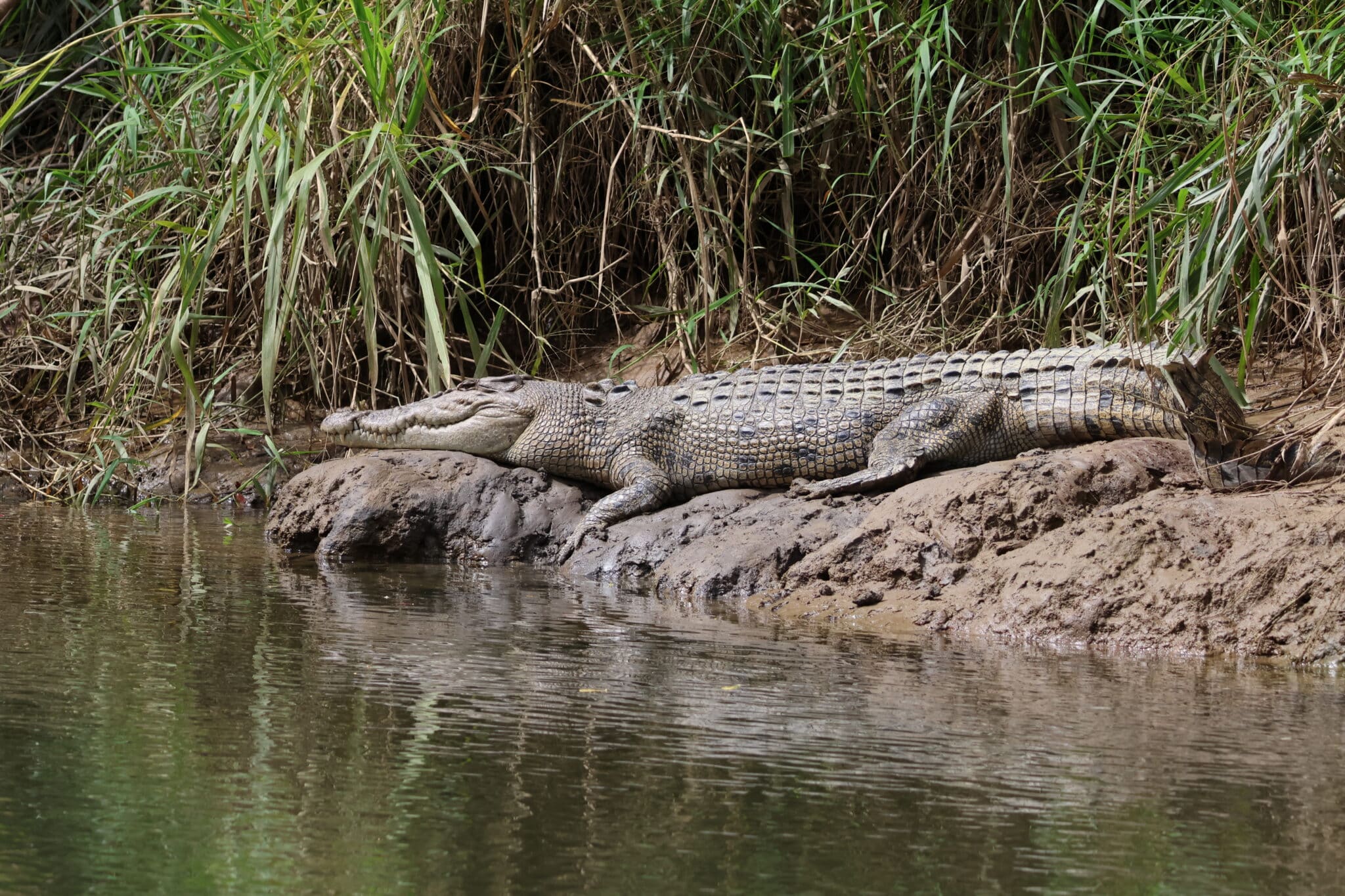
It wasn’t long before I saw my first saltwater crocodile sunning himself on the riverbank. This was quickly followed by a python curled up in its nest, thankfully overhanging the water and not the boat!
The river is home to much more than crocodiles, though. Depending on the season and conditions, visitors may encounter kingfishers, herons, snakes, frogs and other wildlife.
One of the most enjoyable aspects of a Daintree River cruise is the sense of anticipation. You never quite know what might appear around the next bend.
The Great Barrier Reef & Mossman Gorge
One of the extraordinary things about the Daintree is that the Great Barrier Reef lies just offshore. Rainforest and reef sit side by side, two completely different ecosystems separated by only a short stretch of tropical coastline. I didn’t get to explore the reef on this leg of my Australian adventure, but knowing it was there made the setting feel even more extraordinary.
For those with more time, Mossman Gorge is also well worth a visit. Located on the southern side of the Daintree region, the gorge is surrounded by lush rainforest, enormous granite boulders and clear freshwater pools, with the Mossman River flowing through the landscape. It also has deep cultural importance to the Eastern Kuku Yalanji people, the Traditional Owners of the area, and guided experiences offer an opportunity to learn more about the landscape, traditional knowledge and the relationship between people and country.
When to Visit
I visited in May, and the weather was fabulous. The drier months generally make walking and exploring more comfortable, although this is tropical North Queensland and the weather can always do whatever it likes.
The wet season has its own appeal, with heavier rainfall, fuller waterfalls and an even greener rainforest. Whenever you go, check local weather, road and park conditions before setting off.
Leaving the Daintree
Eventually, of course, I had to leave.
I had a motorhome pointing south and, technically, a plan that involved getting to Sydney. But for a couple of extraordinary days, that plan had been forgotten.
I’d seen a cassowary and its chick, finally spotted my first wild croc, walked through ancient rainforest, watched kingfishers hunting over mangroves, tasted home-grown ice cream, slept beside the Coral Sea and stood at Cape Tribulation looking out across a landscape that seemed almost too beautiful to be real. In a country famous for iconic locations and extraordinary wildlife, the Daintree still manages to feel different.
So, was turning the motorhome around and heading in completely the opposite direction to Sydney irresponsible? Absolutely. Would I do it again? In a heartbeat.
Sometimes the best travel decisions are the ones that make absolutely no sense on paper.
Sometimes, all it takes is a simple “Why not?”