
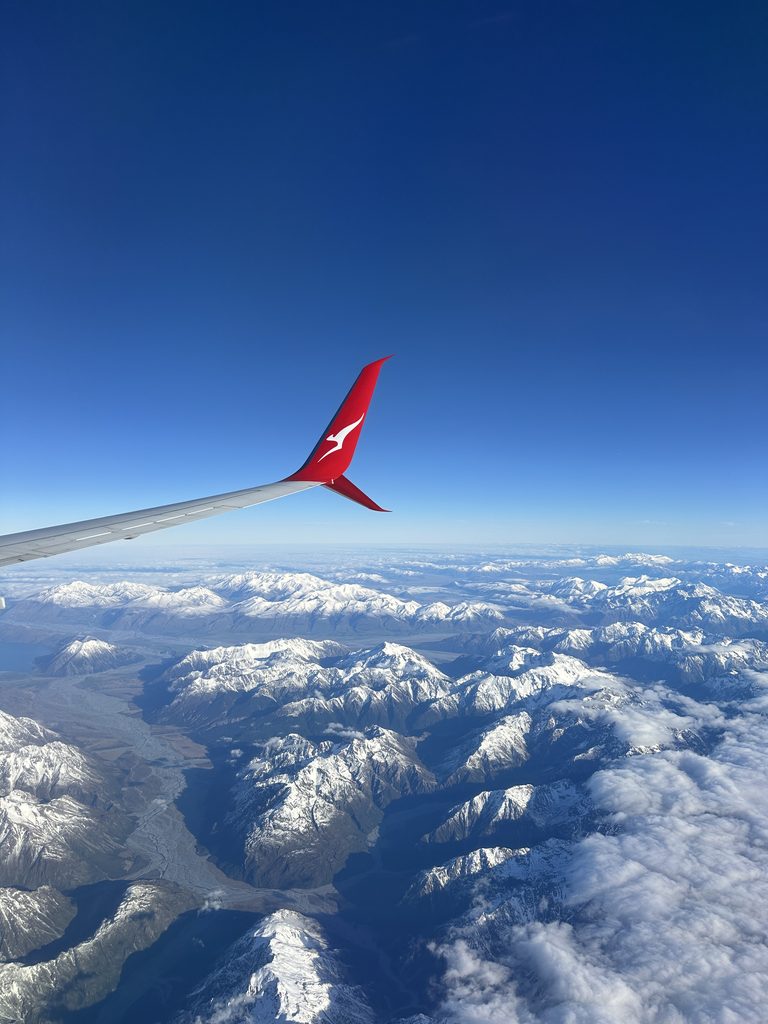
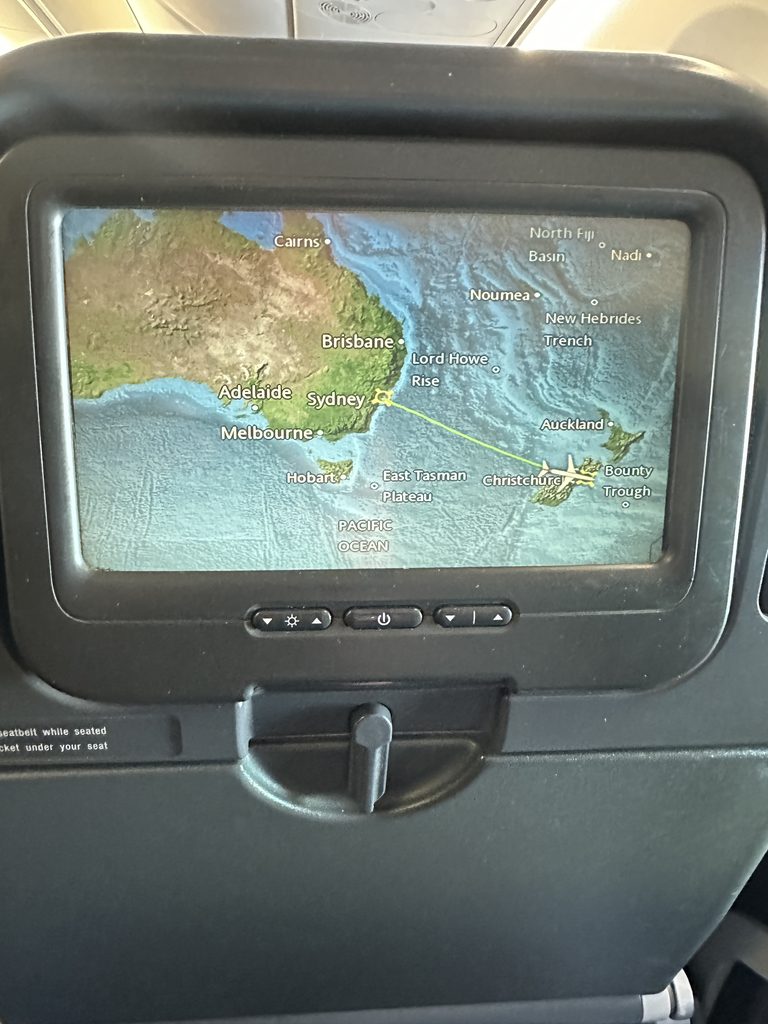
For years, I had convinced myself that New Zealand was simply too far away. It was one of those destinations that had always featured high on my travel wish list, yet somehow the distance, time and effort involved in getting there had always given me an excuse to put it off. Eventually, though, after hearing so many glowing reports from friends and imagining those towering mountains, spectacular glaciers, dramatic coastlines and fascinating wildlife, I decided it was time to stop dreaming and start planning. The only problem was that I had just ten days to explore the South Island. It was never going to be enough, but it was a start!
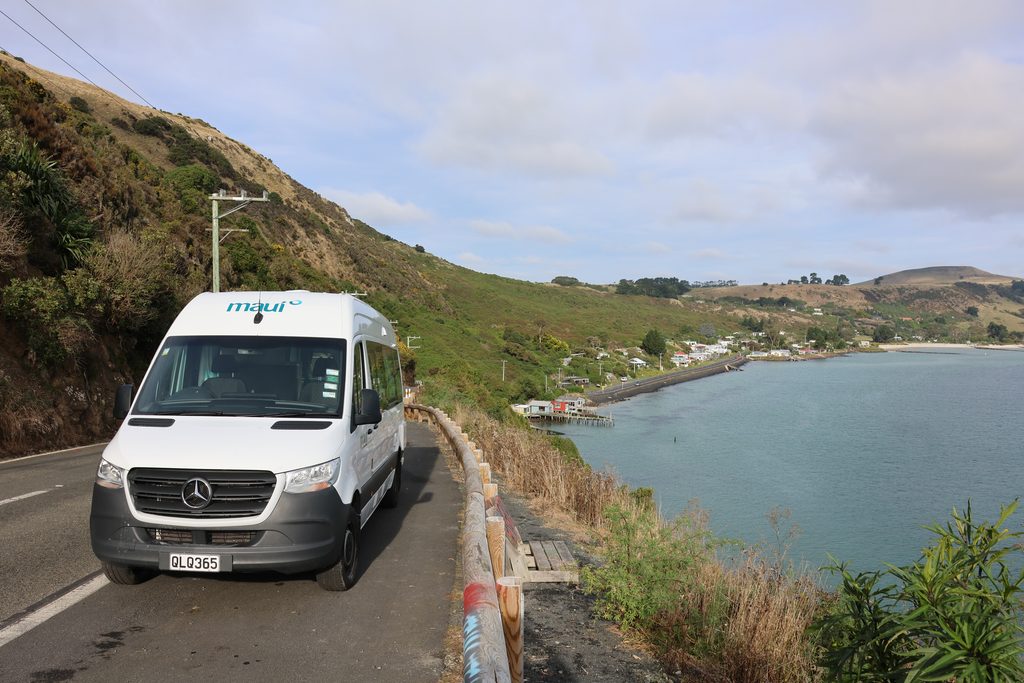
Despite no longer being quite the carefree young nomad I once was, I decided that the best way to experience this beautiful country was from the open road. Having collected a two-berth Maui motorhome in Christchurch, I prepared to embark on an adventure that was the stuff of boyhood dreams.
The beauty of travelling this way was the freedom. If a landscape caught my eye, an interesting town appeared or an unexpected wildlife encounter presented itself, I could simply pull over. As I was about to discover, New Zealand is a country where the journey between the famous attractions can be every bit as rewarding as the destinations themselves.
From Christchurch to the Wild Otago Coast
My adventure began in Christchurch, a city with a fascinating connection to Antarctic exploration. Wandering through its streets, I came across the statue of Captain Robert Falcon Scott, whose ill-fated expedition to the South Pole remains one of history’s great stories of exploration. As someone who has always been fascinated by such adventures, I lingered a little longer than expected. Scott had departed these shores towards one of the most hostile environments on Earth, while I was about to head off in a comfortable motorhome complete with heating, cooking facilities and a well-stocked fridge. Our respective expeditions could hardly have been more different!
The following morning, having familiarised myself with the various switches, water tanks and other mysteries of motorhome life, I headed south towards Oamaru. Almost immediately, I realised that driving distances in New Zealand are rather deceptive. It isn’t necessarily the roads that slow you down, but the constant temptation to stop and admire the scenery.
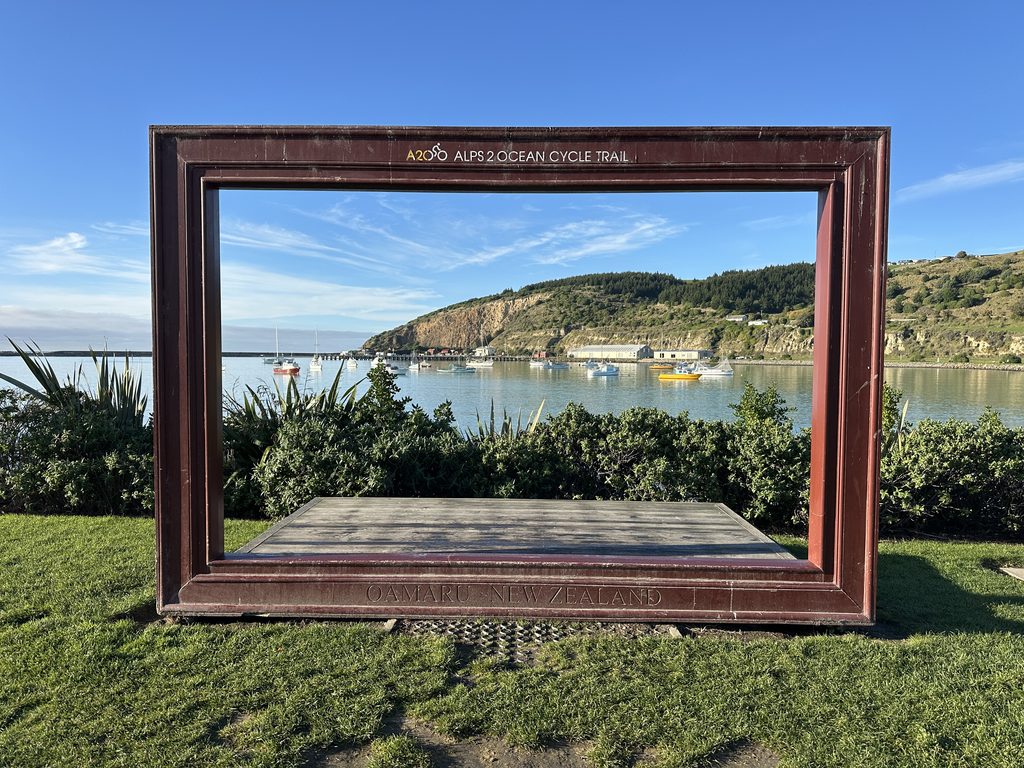
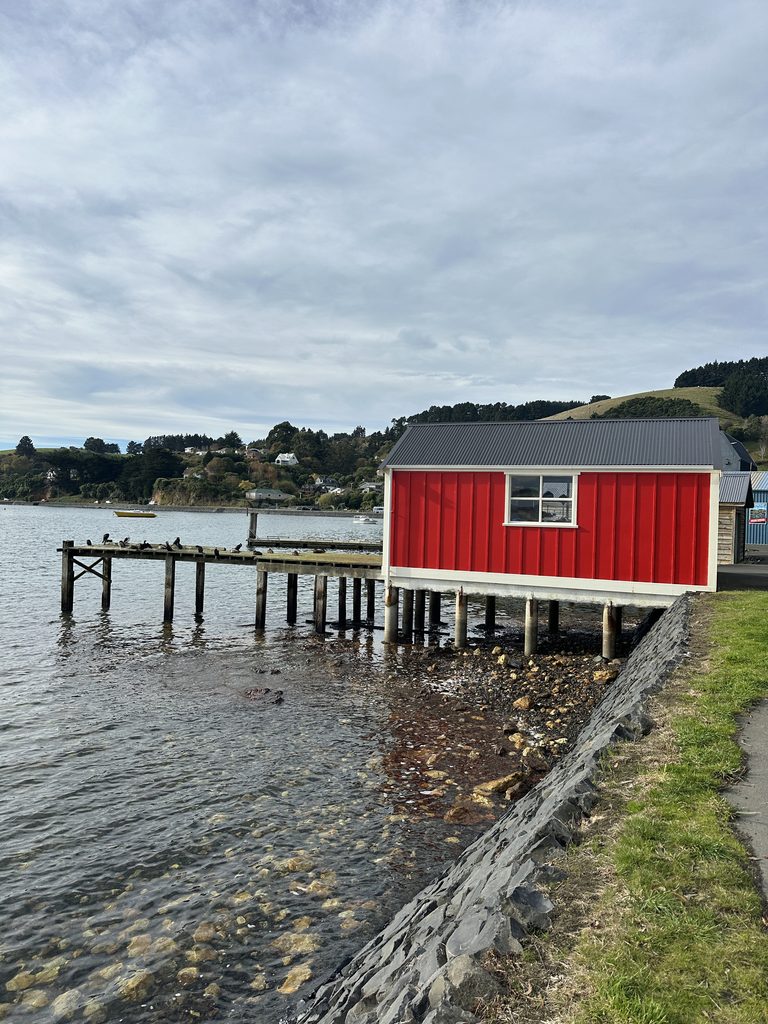
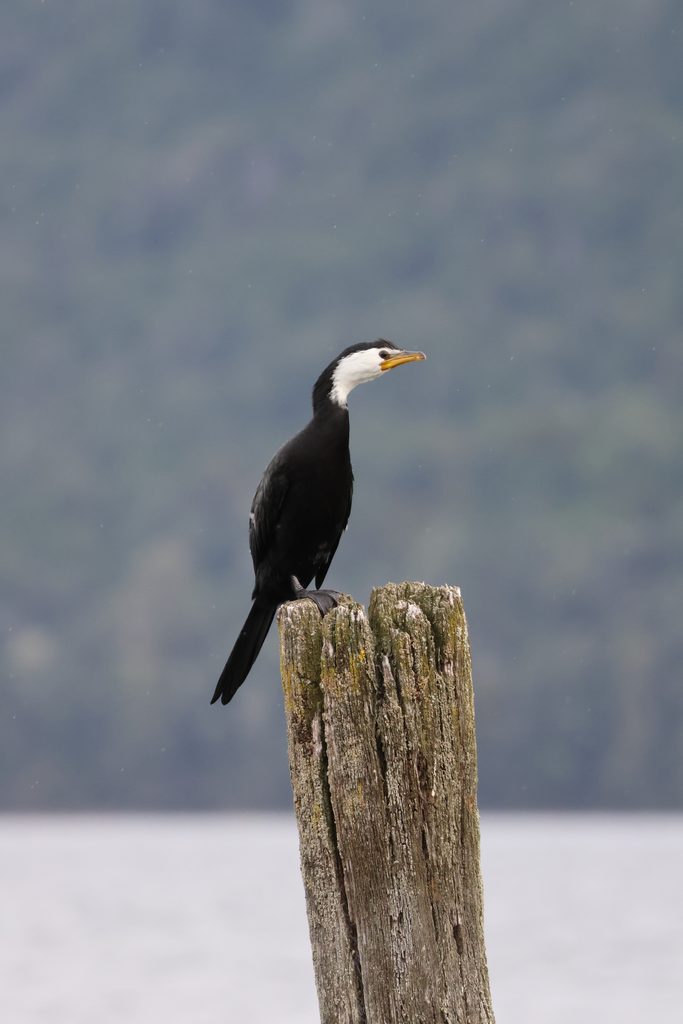
Oamaru was my first introduction to the South Island’s rich wildlife. Around the waterfront, cormorants crowded together on the pier, competing for every available inch of space. Later that evening, I ventured out hoping to catch a glimpse of the town’s famous little blue penguins, the smallest penguins in the world. Unfortunately, the penguins had other ideas and failed to make an appearance.
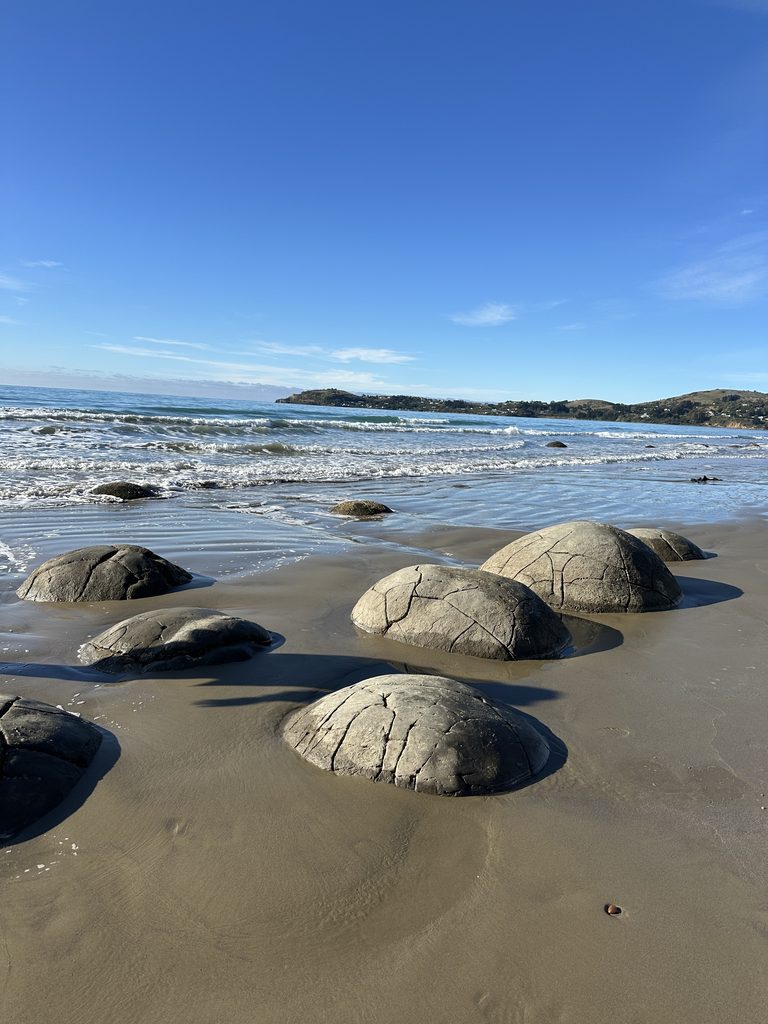
Continuing south, I stopped at Koekohe Beach to admire the curious Moeraki Boulders. These enormous, almost perfectly spherical rocks lie scattered across the sand, looking rather like giant marbles abandoned on the beach. Formed over millions of years, they are one of those natural curiosities that photographs never quite do justice.
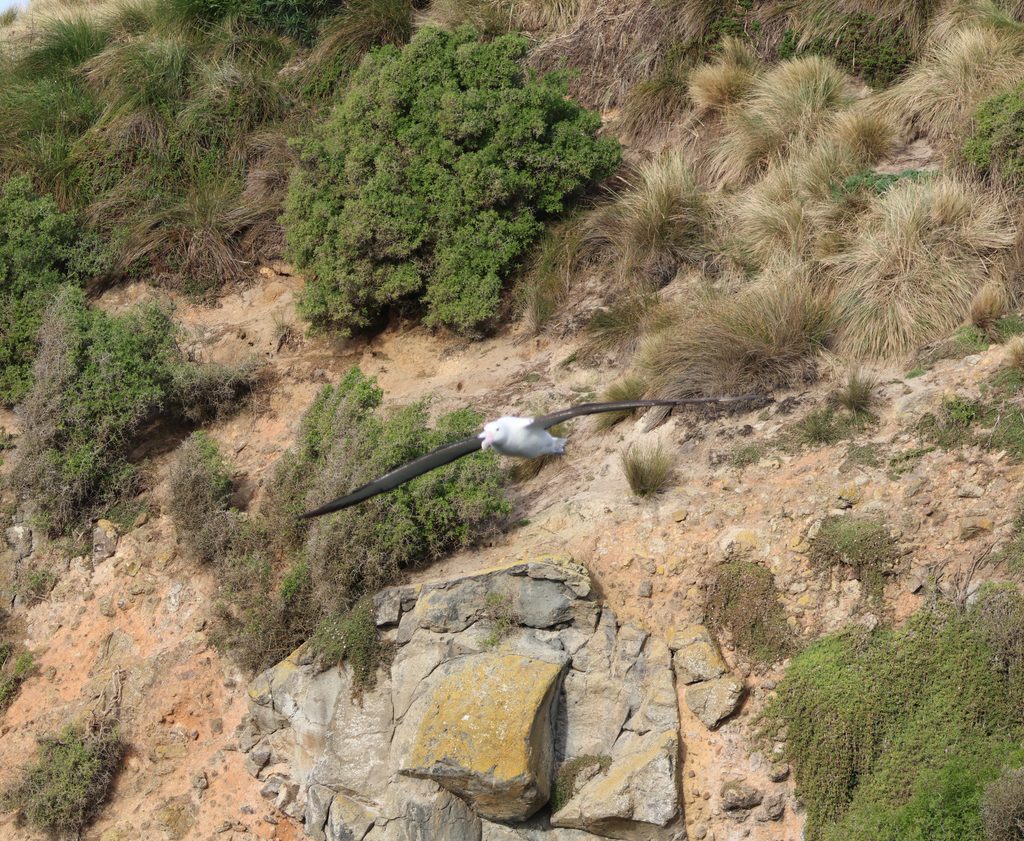
Further along the coast, the Otago Peninsula provided another memorable wildlife encounter. At Taiaroa Head, the Royal Albatross Centre is home to the world’s only mainland breeding colony of northern royal albatrosses. The centre itself is well worth exploring on a guided tour, but for me, the real highlight was stepping outside to the viewing areas and watching these magnificent birds soaring effortlessly overhead. With their enormous wingspans and graceful flight, they were a breathtaking sight and another reminder of just how special New Zealand’s wildlife really is.
Into Fiordland and the Southern Lakes
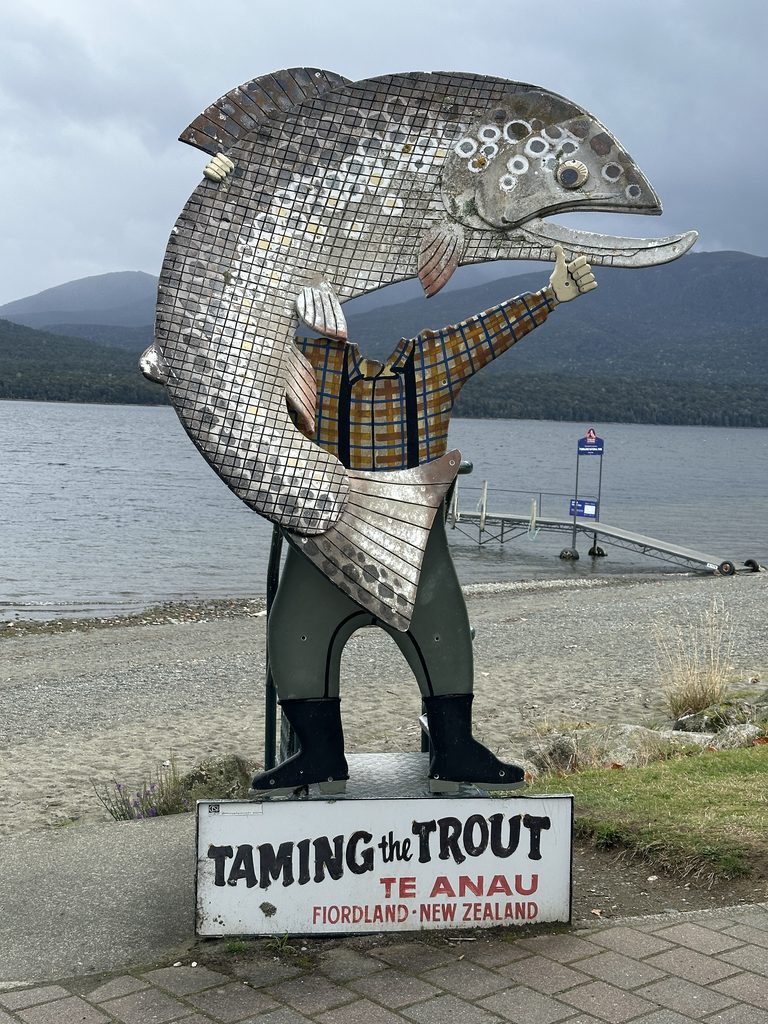
Leaving the rugged coastline of Otago behind, I headed inland towards Te Anau, where the South Island’s scenery began to take on an entirely different character. The rolling countryside gradually gave way to mountain landscapes, with vast lakes, forested hillsides and towering peaks providing an ever-changing backdrop.
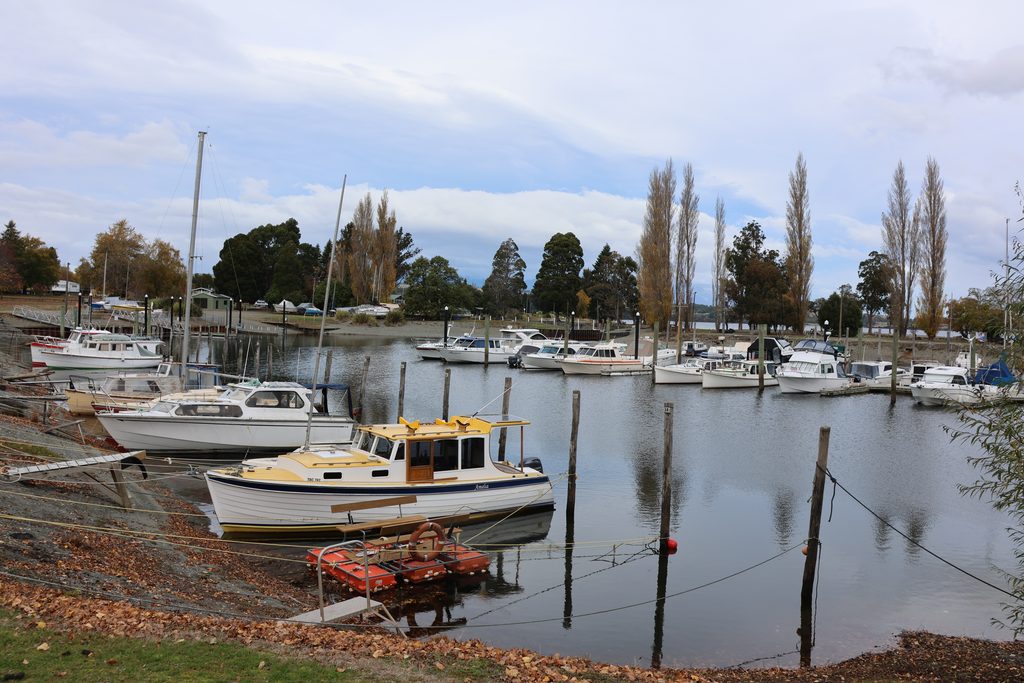
Te Anau sits beside the lake of the same name and is widely regarded as the gateway to Fiordland National Park, one of New Zealand’s greatest wilderness regions. Surrounded by mountains and open countryside, the town has a wonderfully peaceful atmosphere that contrasts with the more adventurous surroundings of Queenstown further north.
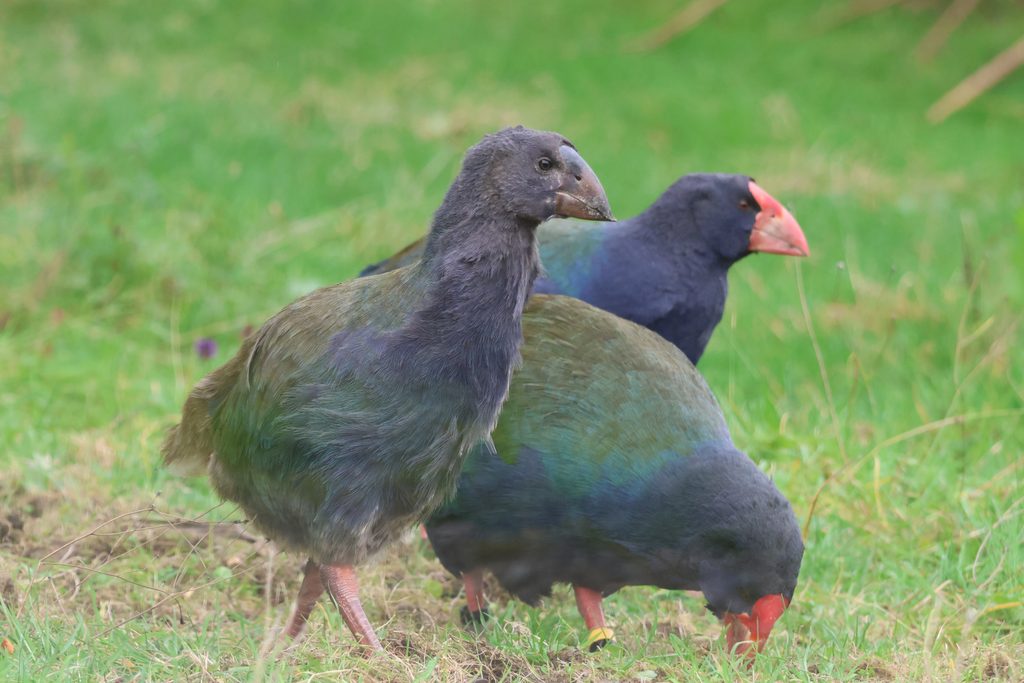
As I continued through this region, I began to appreciate the sheer diversity of the South Island. In just a few days, the scenery had changed from coastal wildlife colonies and historic towns to inland lakes and mountain ranges.
Autumn Gold and the Adventure Capital
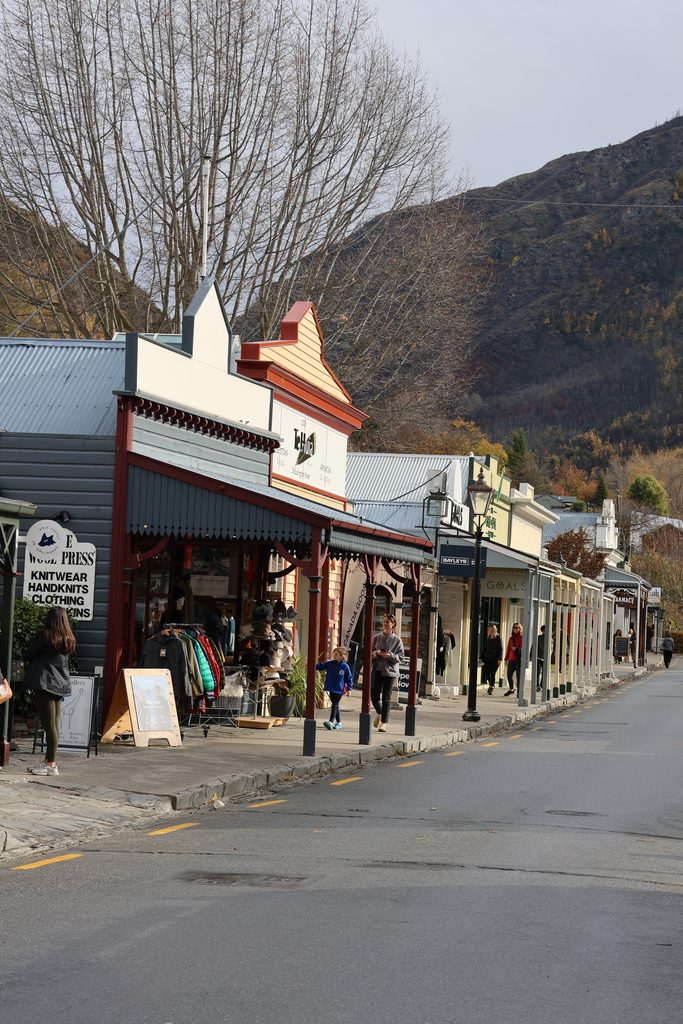
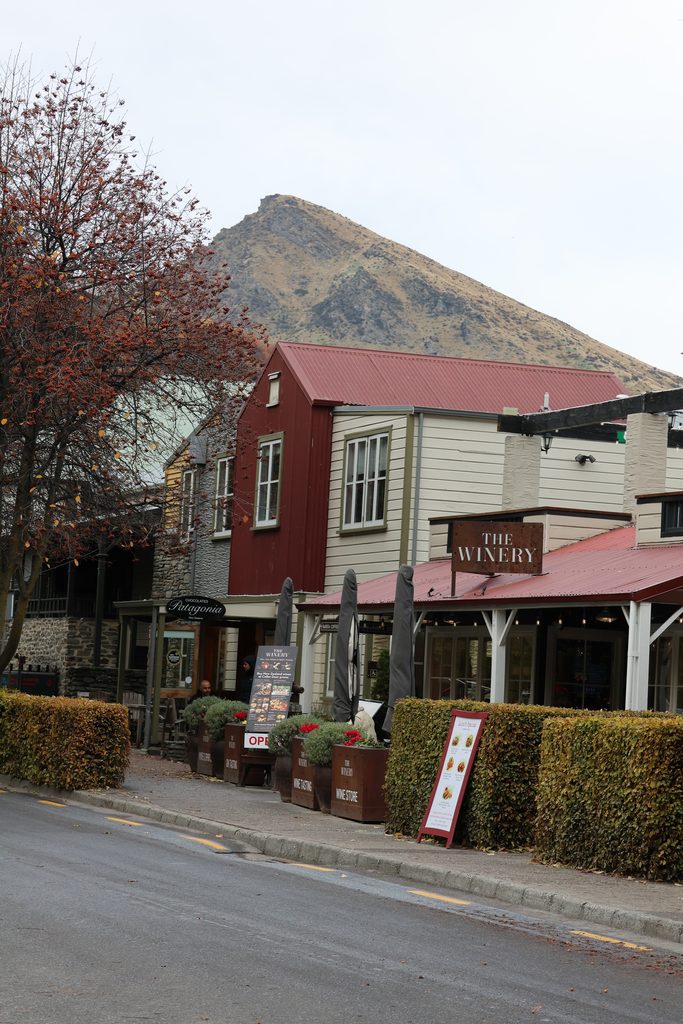
Continuing towards Queenstown, I made my way to Arrowtown, one of the prettiest towns of the entire journey. My timing couldn’t have been better, as autumn had transformed the surrounding hills and tree-lined streets into a glorious patchwork of gold, bronze, orange and red.
Arrowtown owes much of its character to the discovery of gold in the nearby river during the 1860s. Today, its beautifully preserved buildings, independent shops and welcoming cafés make it a delightful place to wander, particularly when the autumn colours are at their finest.
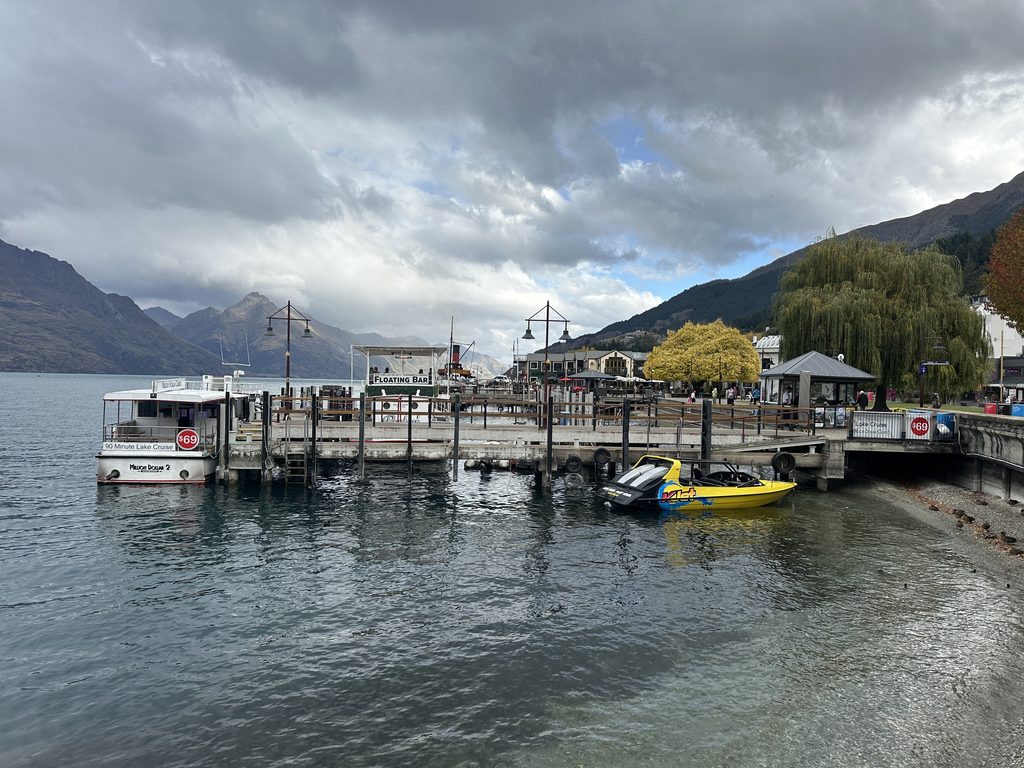
A short drive away, Queenstown presented an entirely different atmosphere. Set beside the shimmering waters of Lake Wakatipu and surrounded by the imposing Remarkables mountain range, Queenstown has earned its reputation as New Zealand’s adventure capital. If an activity involves speed, height, water or the possibility of frightening yourself half to death, somebody here has probably turned it into a tourist attraction.
Nearby Kawarau Bridge is famous as the birthplace of commercial bungy jumping, and naturally I went along to investigate. I am always keen to embrace new experiences when travelling, but on this occasion decided that keeping both feet firmly on the ground was the more sensible option.
Across the Southern Alps – Glaciers and Forgotten Towns
Leaving Queenstown behind, my journey continued north through Wānaka, another beautifully situated lakeside town surrounded by the peaks of the Southern Alps. With its peaceful waterfront, mountain backdrop and relaxed atmosphere, it provided a striking contrast to the adrenaline-fuelled activities of Queenstown.
Beyond Wānaka, the scenery became increasingly wild as I travelled towards the West Coast. The open landscapes of Central Otago gradually gave way to dense rainforest, winding mountain roads and steep-sided valleys, with seemingly endless opportunities to stop and admire the views.
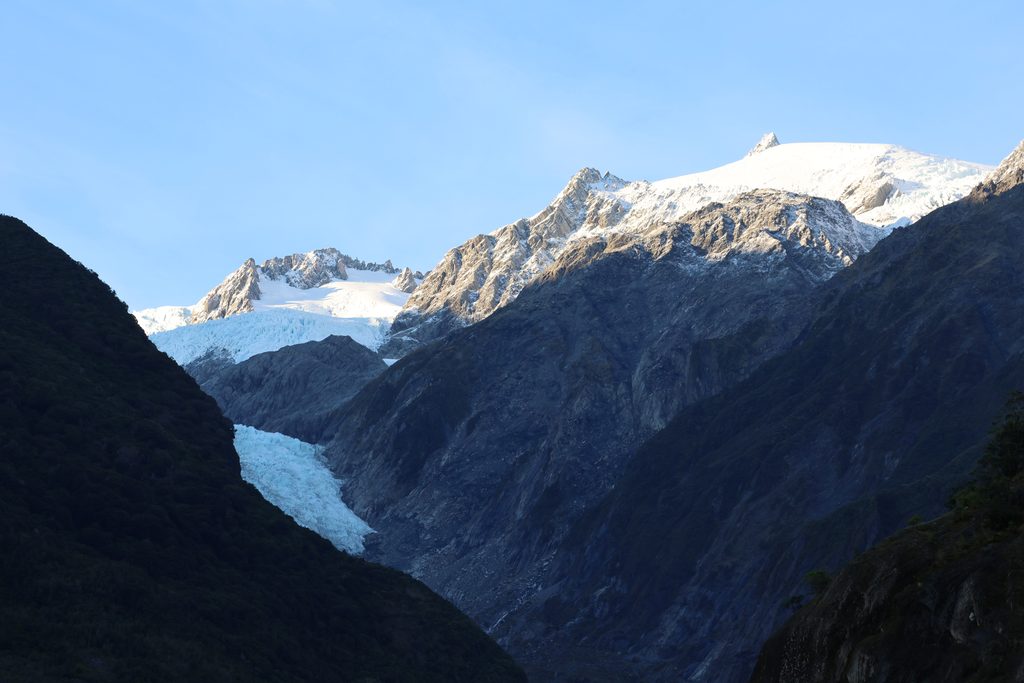
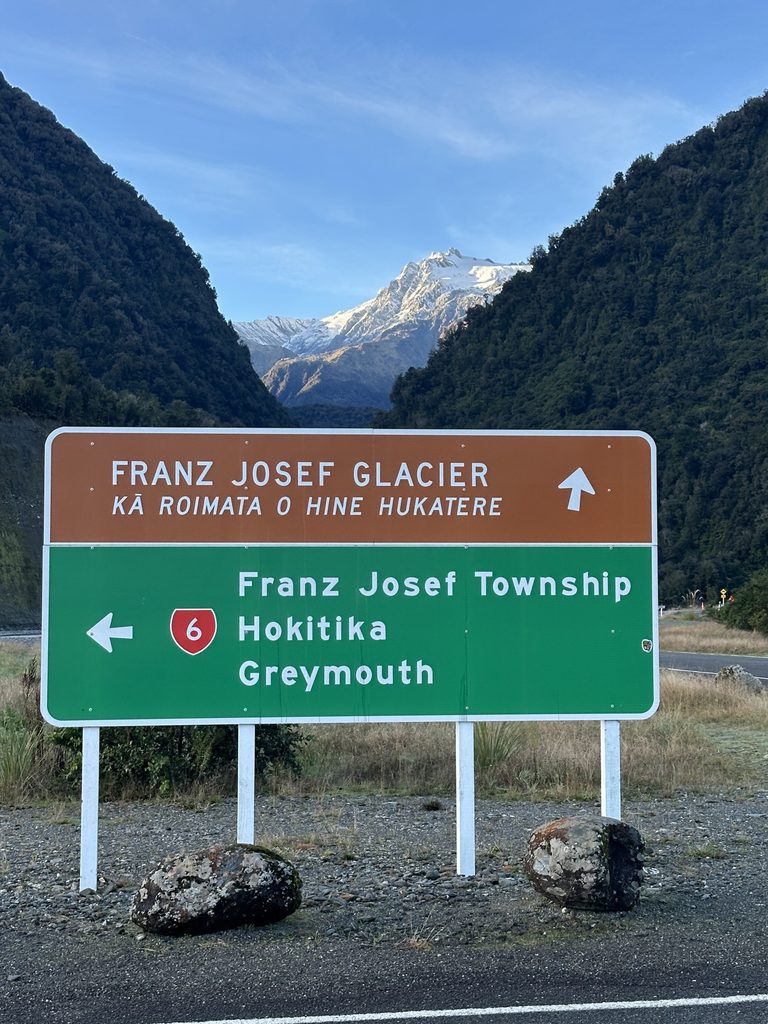
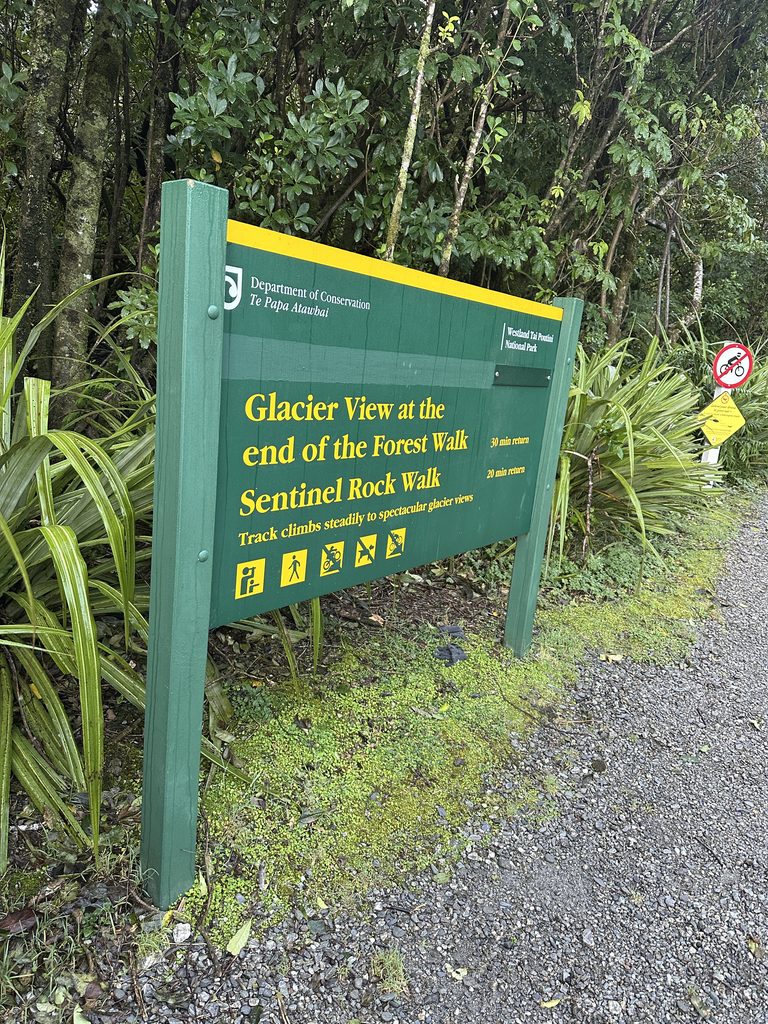
The West Coast brought another change of scenery, and it was here that I began to appreciate the remarkable contrasts of New Zealand’s landscapes. Around Fox Glacier and Franz Josef Glacier, the mighty Southern Alps rise above dense temperate rainforest, creating an almost surreal combination of lush green vegetation, rugged mountain peaks and vast glaciers.
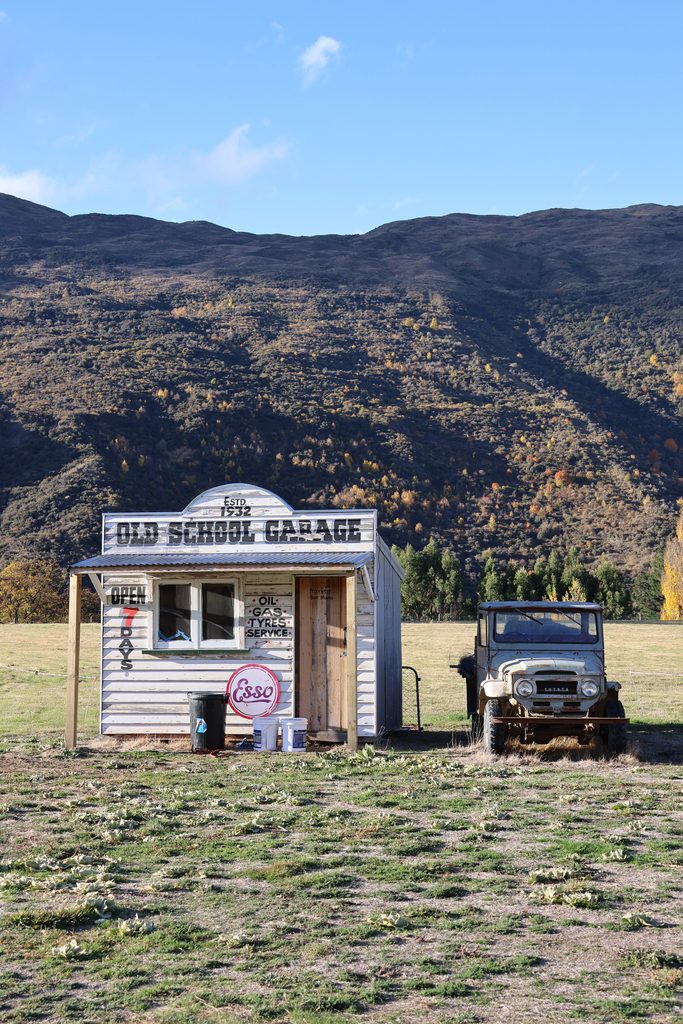
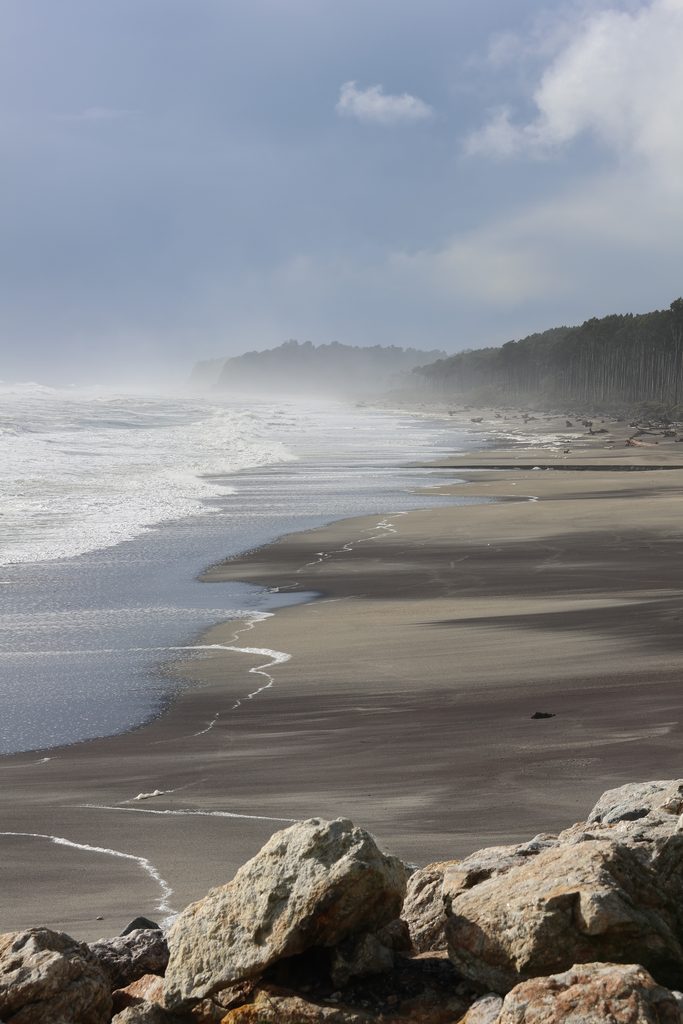
Over thousands of years, immense forces of nature have carved deep valleys through the mountains, leaving behind a landscape that feels wild and untamed. There is something quite extraordinary about being surrounded by rainforest while knowing that glaciers lie just a short distance away. Sadly, both Fox and Franz Josef glaciers have retreated significantly over recent decades, largely as a result of climate change.
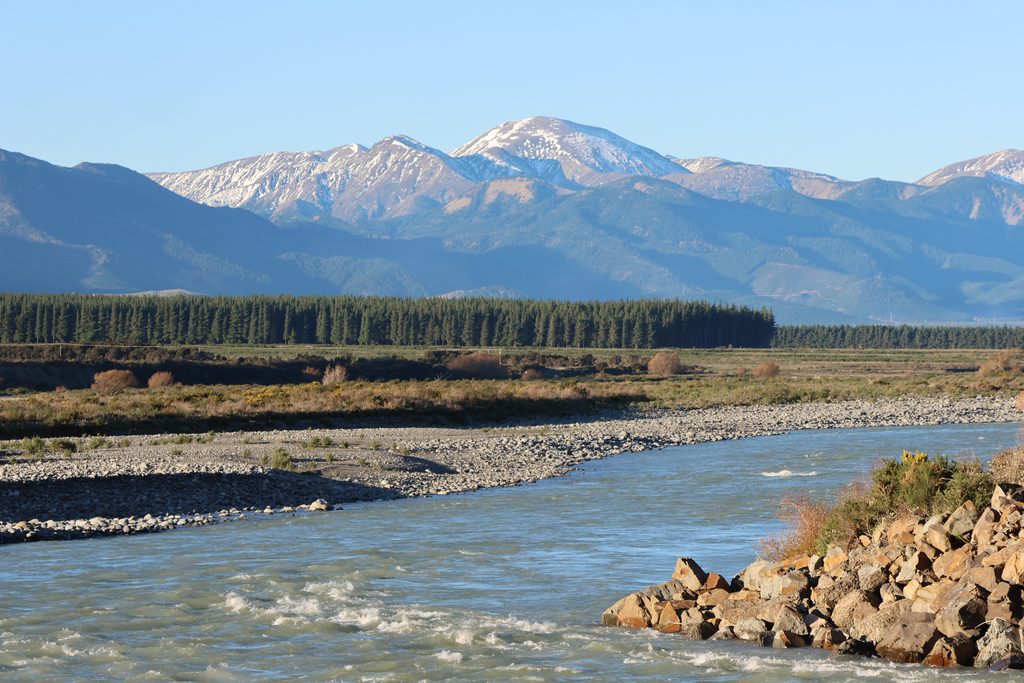
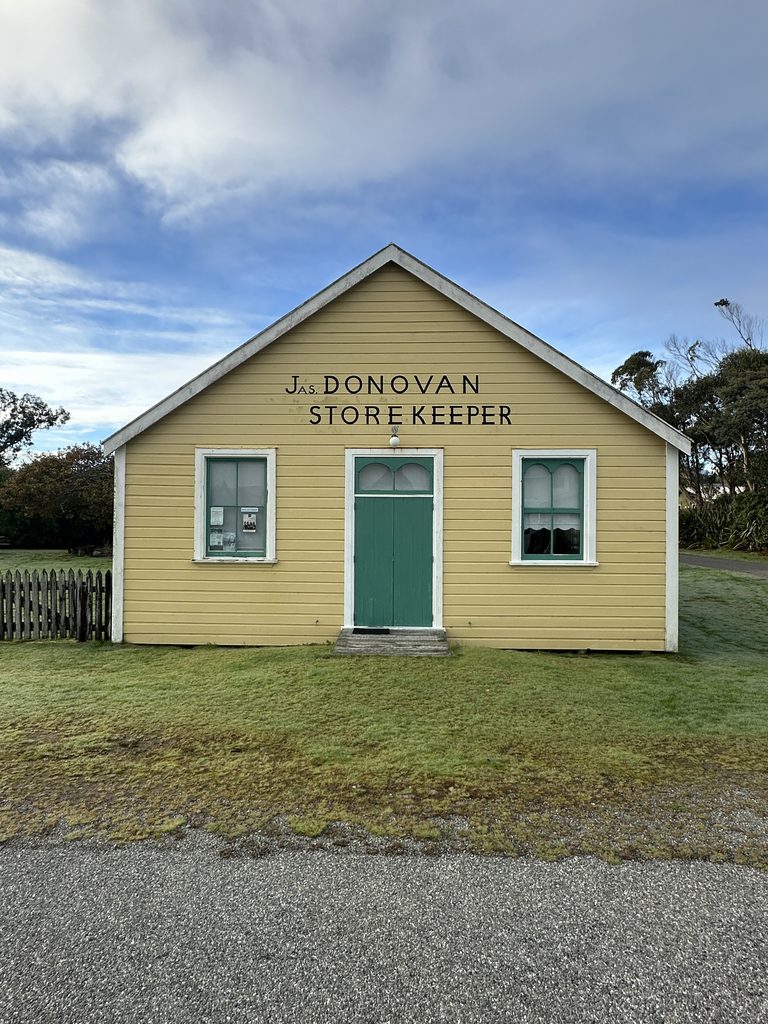
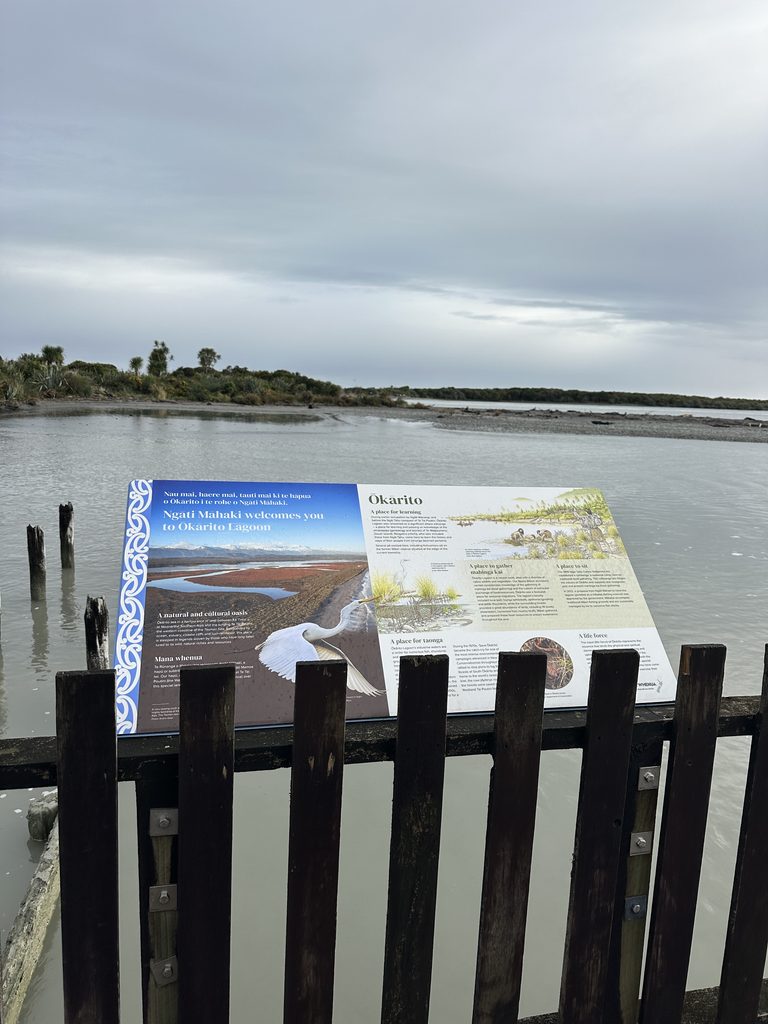
At Ōkārito, a tiny settlement beside a peaceful coastal lagoon, I spent time enjoying the birdlife and discovering remnants of the region’s gold-rush history. One surviving building, bearing the wonderful inscription “Jas Donovan Storekeeper”, particularly caught my attention. For a fleeting moment I wondered whether Australian singer Jason Donovan had enjoyed a previously undocumented career as a New Zealand shopkeeper. Sadly, there was no connection whatsoever, although the real story of James Donovan and his historic store proved interesting enough without any accompanying rendition of Especially for You.
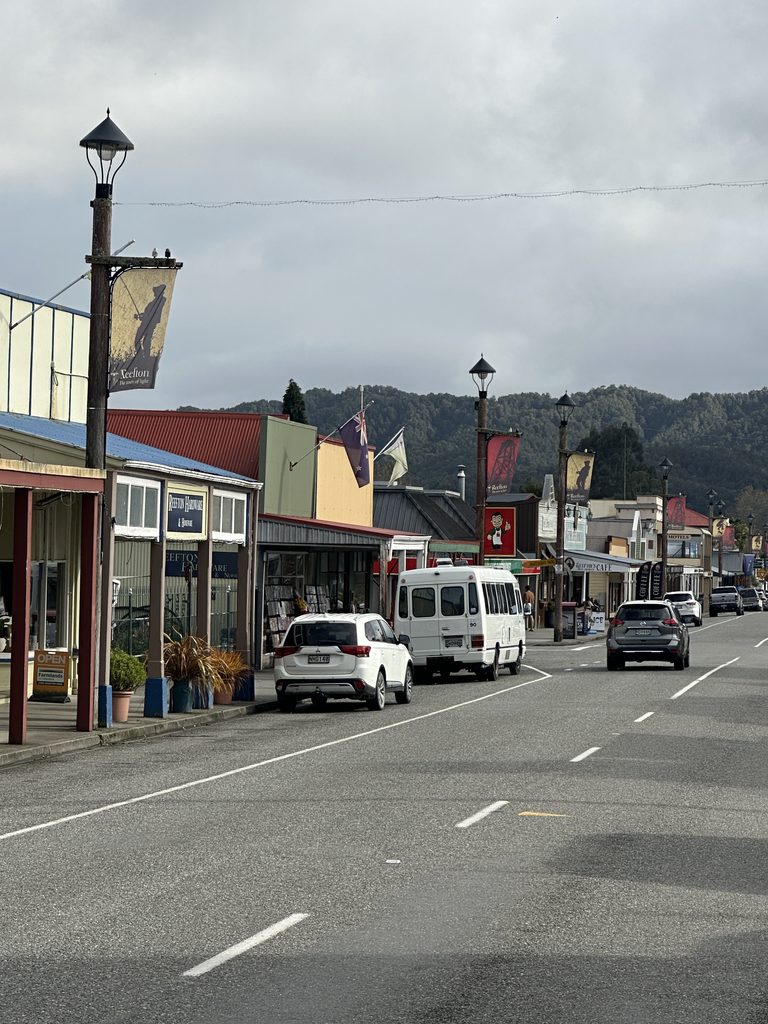
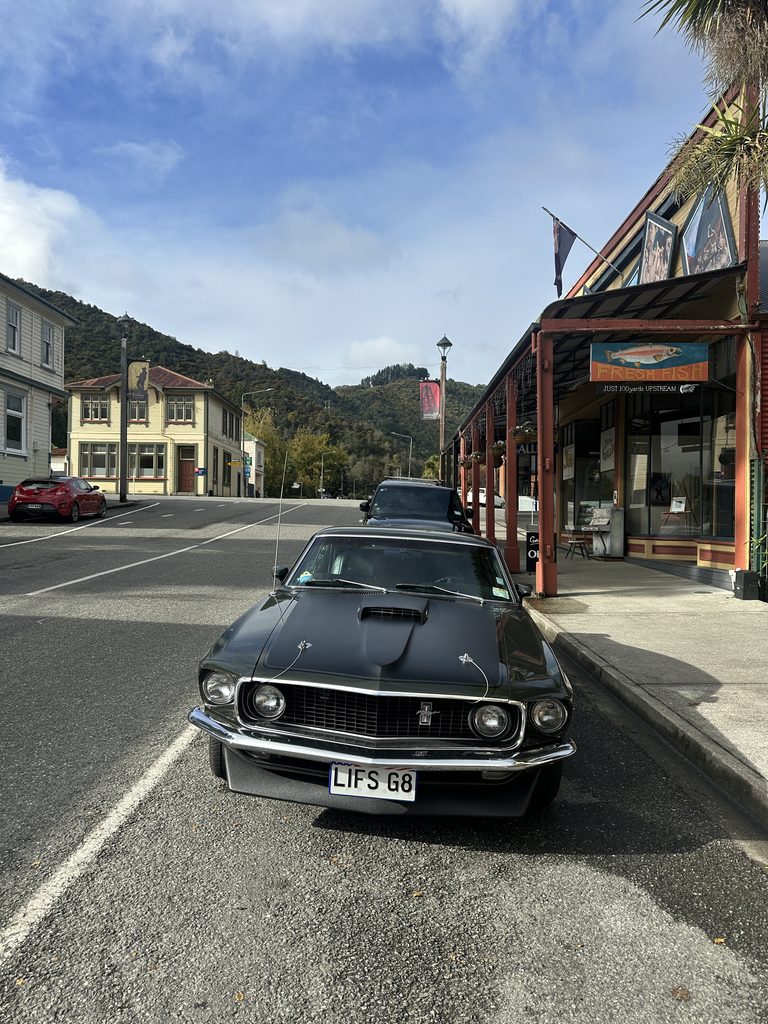
Further north, I arrived in Reefton, one of my favourite unexpected discoveries on the South Island. With its historic shopfronts and wonderfully old-fashioned atmosphere, I felt as though I had somehow wandered onto the set of an old Western. Rather than simply stopping for fuel, I decided to explore and stumbled upon a small jewellery shop that had opened its doors for the very first time that day.
As luck would have it, I became its first ever customer! The lovely owner made me a glass bracelet, which remains one of my favourite souvenirs from the journey, not because of its monetary value, but because of the wonderful memory attached to it.
Whales and Wildlife in Kaikōura
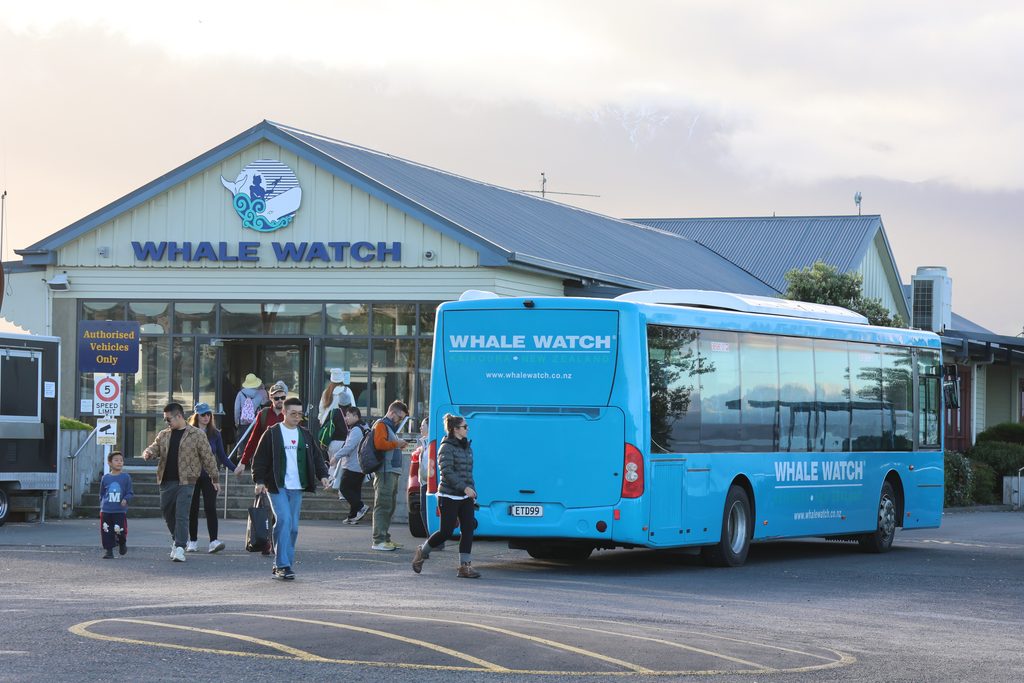
By the time I reached Kaikōura, wildlife had already played a major part in my adventure, but I was hoping for something considerably larger. This coastal town is internationally renowned for its marine life. Just offshore, the deep Kaikōura Canyon creates nutrient-rich waters that attract whales, dolphins, seals and a variety of seabirds.
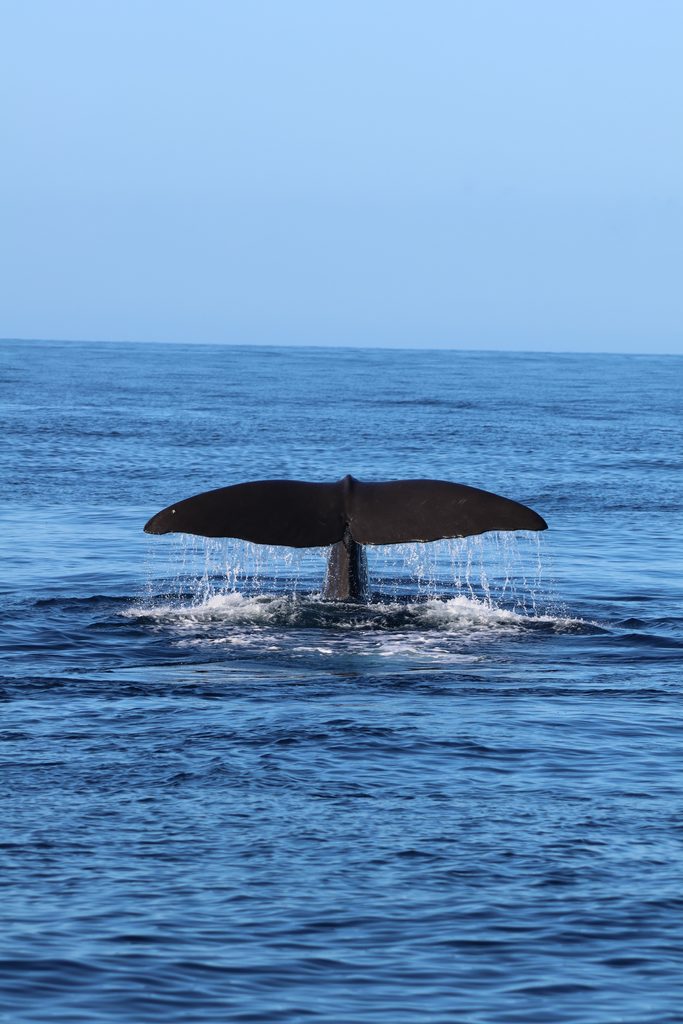
I booked a whale-watching excursion and headed out to sea, hoping that I might get lucky, although well aware that wildlife encounters are never guaranteed. Fortunately, on this occasion, luck was on my side. Seeing sperm whales surface in the wild was one of the most memorable moments of my entire New Zealand adventure.
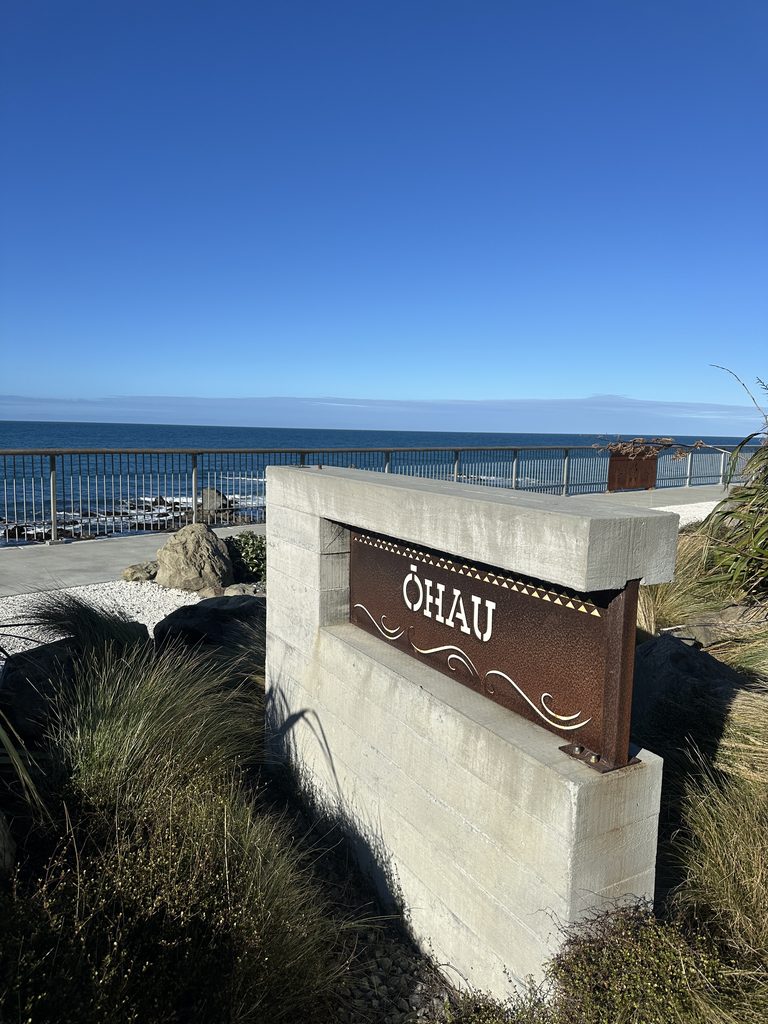
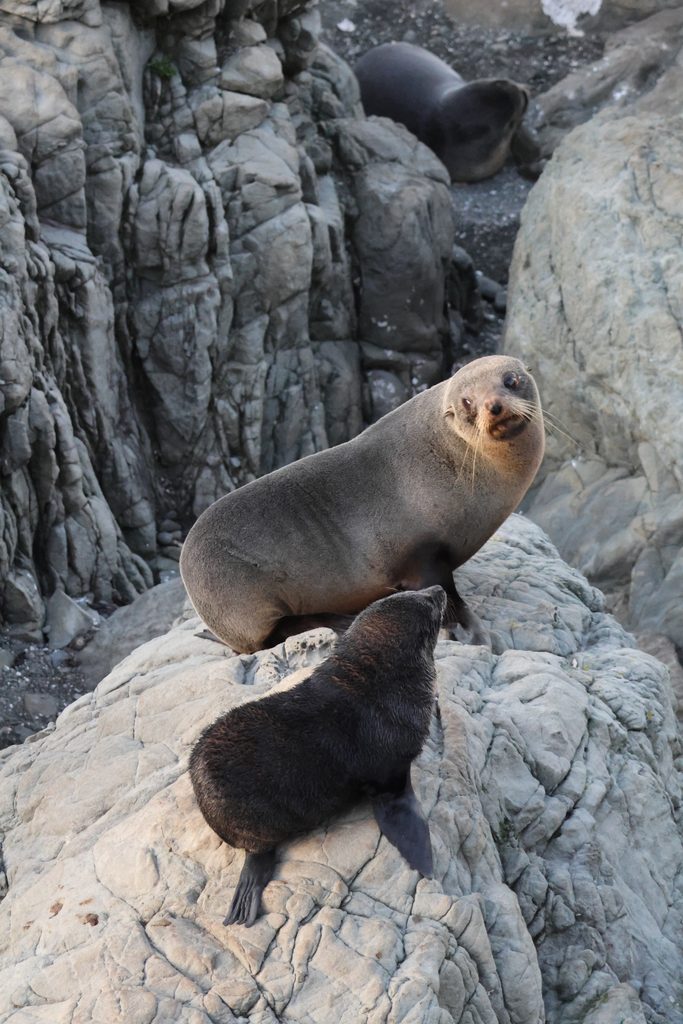
A little further along the coast I was recommended that I stop at Ōhau Point where you can observe New Zealand fur seals lounging around the rocky shoreline with seemingly little concern for the passing world.
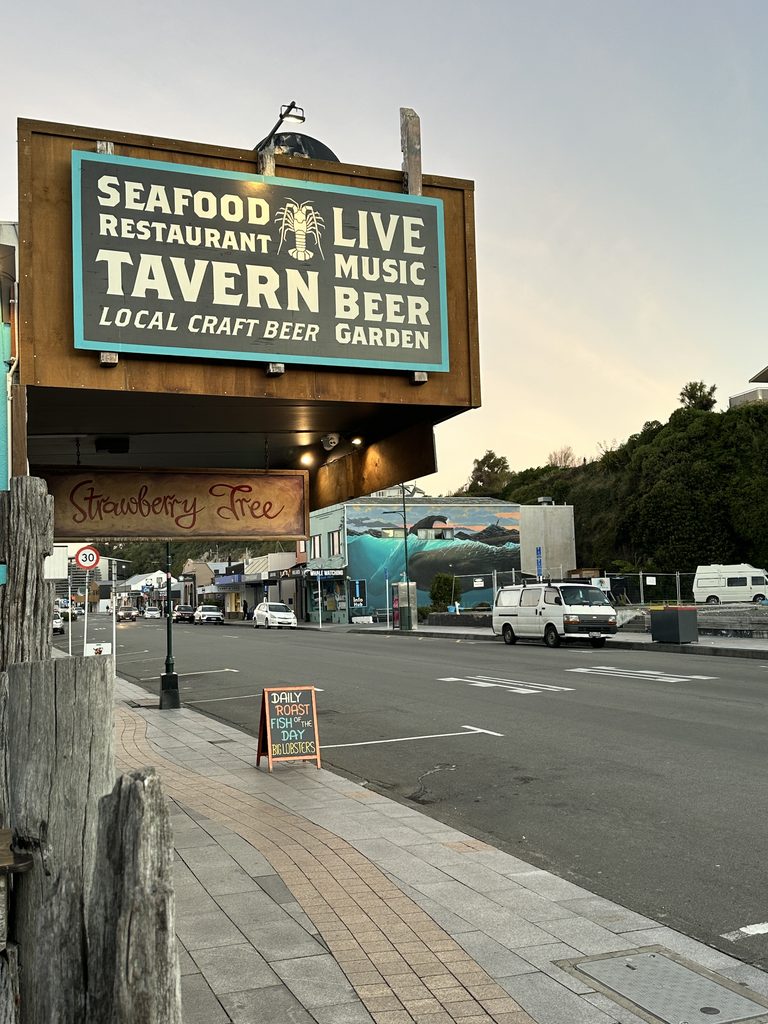
After a day filled with whales, seals and glorious coastal scenery, I discovered the Strawberry Tree Tavern back in Kaikōura. Sometimes the perfect conclusion to a day like this is simply a comfortable seat, a welcoming pub and a well-earned pint.
A Final Journey Through the Marlborough Sounds
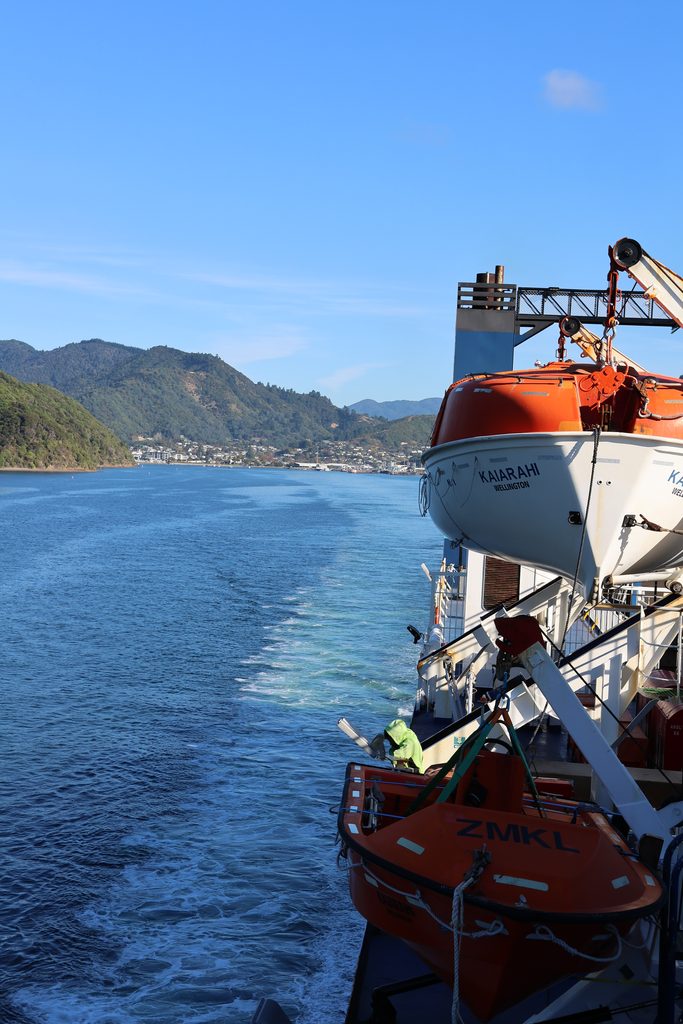
My South Island adventure eventually brought me to Picton, where I prepared to board the Interislander ferry across Cook Strait to Wellington. Initially, I had regarded the crossing as little more than a practical way of reaching the North Island, but it turned out to be one of the most scenic journeys of the entire trip.
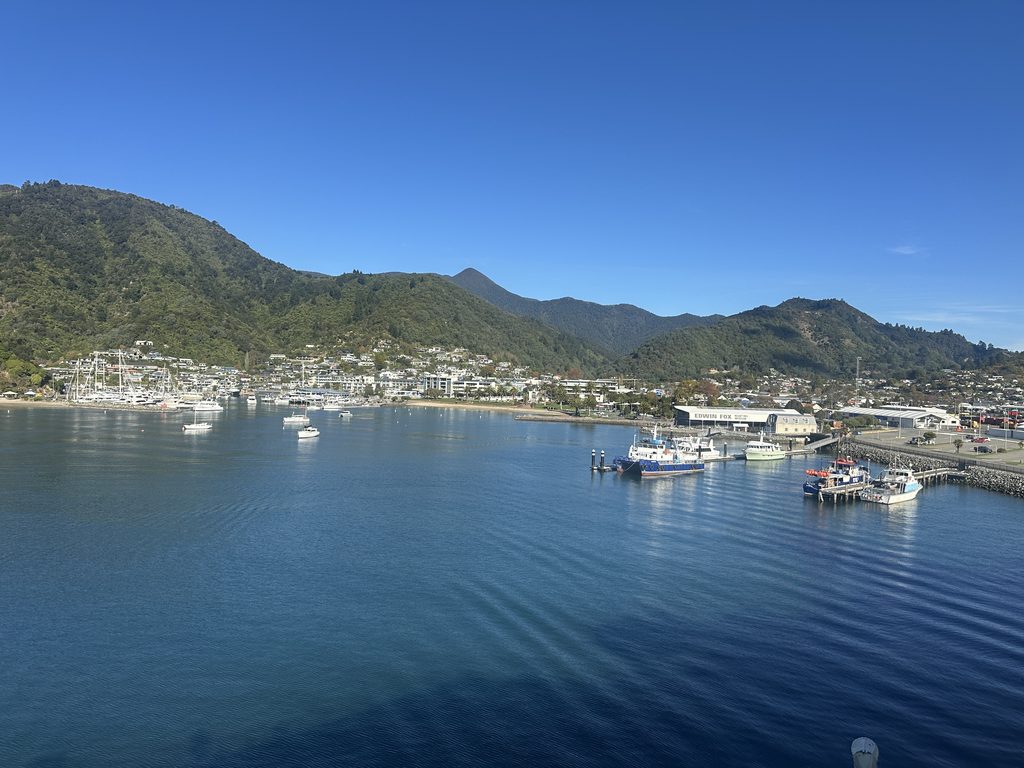
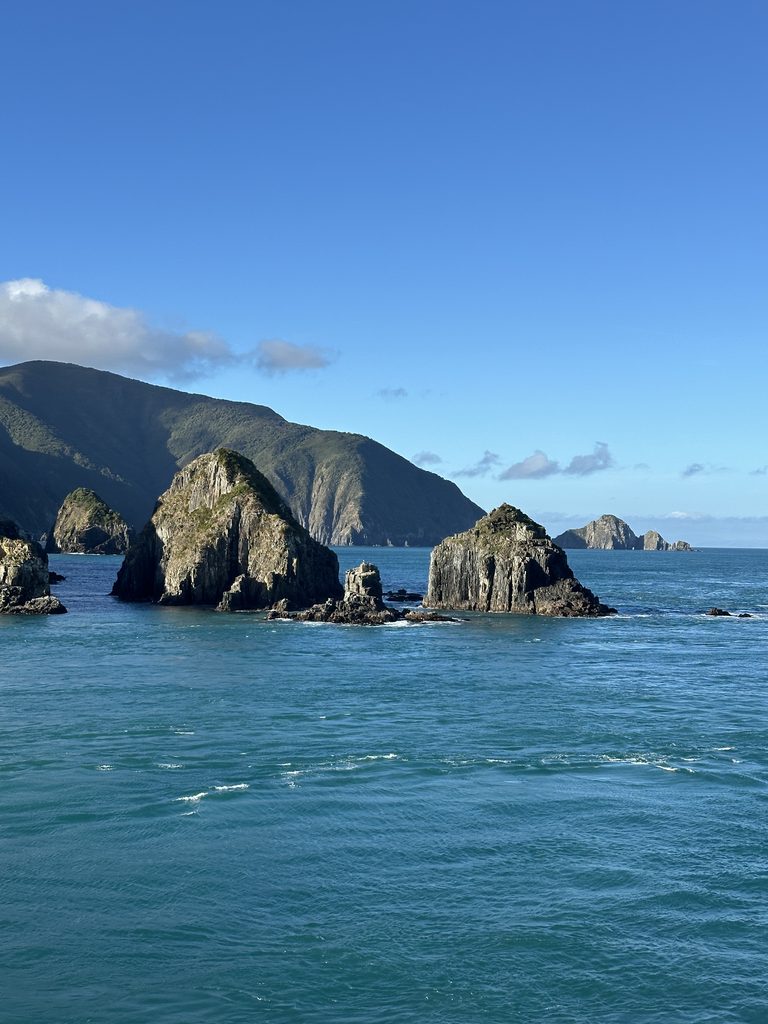
Leaving Picton, the ferry winds its way through the Marlborough Sounds, where forest-covered hills tumble towards sheltered blue waters and secluded bays disappear between overlapping headlands. I spent much of the journey out on deck, watching the scenery unfold around me as we gradually made our way towards the open waters of Cook Strait. It was a fitting finale to an island that had delivered so much more than I could ever have imagined.
Having put off visiting New Zealand for so many years, I’m already dreaming of returning. Ten days had given me a wonderful introduction to the South Island, but I knew I had barely scratched the surface. Milford Sound, Mount Cook and Stewart Island are all firmly on my list for next time, with the latter offering the tantalising possibility of spotting one particularly elusive New Zealand resident that had managed to evade me throughout my travels – the kiwi.
For years, I had wondered whether New Zealand’s South Island could possibly live up to my expectations. As the ferry carried me towards Wellington, with the North Island and a whole new adventure still waiting to be explored, I finally had my answer. Not only had it lived up to everything I had hoped for, but it had exceeded those expectations in ways I could never have imagined. And perhaps the greatest compliment I can pay this corner of the world is that, having waited so long to visit, I now cannot wait to return.