✈ Start Here – Morocco Guide
- Introduction To Morocco
- Key Information For Morocco
- Best Cities and Destinations in Morocco
- Getting Around Morocco
- Best Things to Do in Morocco
- Best Time To Visit Morocco
- Suggested Morocco Itinerary
- Where To Stay In Morocco
- Morocco – Through My Lens
- Frequently Asked Questions About Morocco
- Final Thoughts
📍Map Of Morocco
🧭Introduction To Morocco
Morocco is a country I have come to know from two very different perspectives. I have explored Marrakech as a traveller, wandering its colourful souks, discovering the maze of streets around the medina and experiencing the sights, sounds and flavours that make the city so intoxicating.
I also spent time working in the UK representing the Fairmont Royal Palm Marrakech, which gave me a different insight into the country and its tourism industry. Set just outside the city with the Atlas Mountains providing a spectacular backdrop, it showed me another side of Marrakech, far removed from the wonderful chaos of the medina.
Those experiences have left me with a real affection for Morocco. It is a country of contrasts, from ancient cities and bustling markets to Atlantic beaches, dramatic mountains and vast desert landscapes. It feels wonderfully exotic yet is only a short flight from the UK, making it one of the most fascinating and accessible destinations in North Africa.

🔑Key Information for Morocco
| Continent: | North Africa |
| Capital: | Rabat |
| Currency: | Dirham |
| Language: | Arabic |
| Visa: | Morocco Entry Requirements |
| Health: | Morocco Health Advice |
| Tourist Information: | Visit Morocco |
| Best Time To Visit Morocco | June or September |
| Flight Time from the UK: | 3 hours 30 minutes |
🌆Best Cities and Destinations in Morocco
Morocco is a country of extraordinary contrasts. Ancient medinas give way to vast mountain landscapes, Atlantic beaches sit alongside elegant coastal towns, and beyond the cities the scenery stretches towards the seemingly endless sands of the Sahara.
For many visitors, Marrakech is the starting point, but there is far more to Morocco than its most famous city. From the maze-like streets of Fez and the blue-washed buildings of Chefchaouen to the mountains of the High Atlas and the windswept coast at Essaouira, Morocco is a country that rewards exploration.
Here are some of the cities and destinations that deserve a place on your Moroccan itinerary.
Marrakech
Colourful, chaotic and completely absorbing, Marrakech is the Morocco that many first-time visitors imagine.
At its heart is the old medina, a labyrinth of narrow streets packed with souks, riads, cafés and workshops. Eventually, almost every route seems to lead back towards Jemaa el-Fnaa, the enormous square that becomes increasingly lively as evening approaches.
Away from the bustle, there are beautiful palaces and gardens to discover, while the rooftops of the medina offer wonderful views towards the Atlas Mountains.
Marrakech can be overwhelming at times, but that is also part of its appeal. Give it time, get lost occasionally and accept that things won’t always go according to plan.


Fez
If Marrakech provides an introduction to Morocco, Fez takes you considerably deeper.
The extraordinary Fez el-Bali is one of the world’s great historic medinas. Its narrow lanes twist between mosques, markets, workshops and centuries-old buildings, creating a place that can feel almost unchanged by time.
One of the city’s most famous sights is its traditional tanneries, where leather continues to be treated and dyed using techniques passed down through generations.
Fez is intense, fascinating and sometimes bewildering. It is also one of the best places in Morocco to experience the history and traditions of the country.
Chefchaouen
Tucked into the Rif Mountains of northern Morocco, Chefchaouen is instantly recognisable for its blue-painted streets and buildings.
It is undeniably photogenic, but there is more to the town than its famous colour. The compact medina is enjoyable to explore on foot, while the surrounding mountains provide a dramatic backdrop and opportunities for walking.
Early morning is particularly special, before the streets become busy and when the soft light brings out the different shades of blue.
For photographers, Chefchaouen is difficult to resist.
Essaouira
After the heat and intensity of Morocco’s inland cities, Essaouira feels refreshingly different.
Sitting on the Atlantic coast, the fortified old town is surrounded by impressive sea walls, while its working fishing harbour remains an important part of everyday life.
Inside the medina you’ll find whitewashed buildings, small galleries, cafés and craft shops. Outside the walls, a long sandy beach stretches south along the coast.
Essaouira has a relaxed character that makes it very easy to stay longer than originally planned.
Agadir
Agadir offers a very different side of Morocco. While it may not have the ancient medina and historic character of Marrakech or Fez, it is one of the country’s most popular coastal destinations, with a long sandy beach, a wide promenade and plenty of sunshine.
Much of the city was rebuilt following the devastating earthquake of 1960, so Agadir feels noticeably more modern than many other Moroccan cities. For the best views, head up to the hilltop Kasbah of Agadir Oufella, which overlooks the city, coastline and Atlantic Ocean.
The bustling Souk El Had is also well worth exploring for a taste of local life away from the beachfront, with hundreds of stalls selling everything from spices and fresh produce to leather goods and traditional crafts.
Agadir works particularly well if you want to combine exploring Morocco with a few slower days by the sea. It is also a useful base for discovering more of the southern Atlantic coast and the landscapes of the Souss region.


The High Atlas Mountains
Morocco’s cities may receive much of the attention, but some of the country’s most spectacular scenery lies in the High Atlas Mountains.
Mountain roads wind through deep valleys, traditional Berber villages cling to hillsides and snow can cover the highest peaks during winter.
The village of Imlil is a popular gateway into the mountains and the starting point for treks towards Jebel Toubkal, the highest mountain in North Africa.
You don’t need to tackle its summit to enjoy the Atlas. Even a journey through the mountains provides a completely different perspective on Morocco.

Aït Benhaddou and Ouarzazate
Crossing the Atlas towards southern Morocco brings you into a landscape of desert valleys, kasbahs and traditional fortified villages.
The most famous is Aït Benhaddou, a spectacular collection of earthen buildings rising from the landscape beside the former caravan route between Marrakech and the Sahara.
Nearby Ouarzazate has become closely associated with the film industry, with the surrounding desert scenery providing locations for numerous international productions.
For anyone travelling by road through Morocco, this region is one of the most memorable parts of the journey.
The Sahara Desert
Few experiences in Morocco are quite as memorable as seeing the Sahara for the first time.
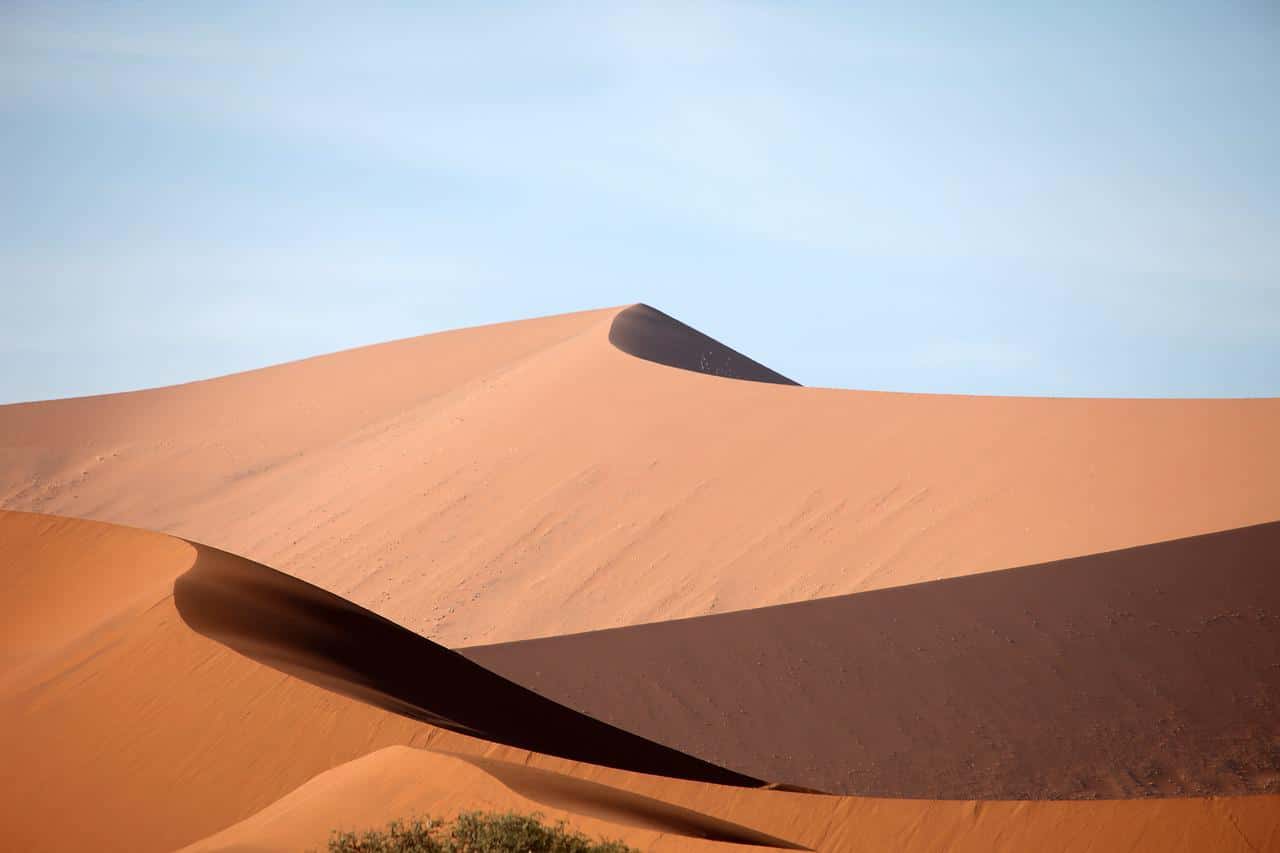
Around Merzouga, the enormous dunes of Erg Chebbi rise dramatically from the desert floor. The landscape changes constantly with the light, particularly around sunrise and sunset when the dunes turn shades of orange, gold and red.
Spending a night in the desert provides the chance to experience something increasingly rare: genuine darkness, enormous skies and almost complete silence.
It is a long journey from Morocco’s major cities, but for many travellers it becomes one of the highlights of the country.
Rabat
Morocco’s capital is sometimes overlooked in favour of Marrakech or Fez, but Rabat deserves more attention.
It is calmer and more spacious than many Moroccan cities, combining historic sights with broad avenues and an attractive Atlantic setting.
Highlights include the Kasbah of the Udayas, Hassan Tower and the Mausoleum of Mohammed V. The city’s relative lack of tourist crowds also makes it an enjoyable place simply to wander.
Casablanca
Casablanca is Morocco’s largest city and economic powerhouse, but it is quite different from the romantic image many travellers have of the country.
The principal reason to visit is the magnificent Hassan II Mosque, which stands beside the Atlantic and is one of Morocco’s most impressive modern landmarks.
Casablanca may not have the atmospheric medinas of Fez or Marrakech, but it offers an interesting glimpse of contemporary urban Morocco.
Tangier
For centuries, Tangier has looked across the Strait of Gibraltar towards Europe.
Its location has given the city a fascinating mixture of Moroccan, European and Mediterranean influences, attracting artists, writers and travellers throughout its history.
The medina, kasbah and waterfront are all worth exploring, while Tangier also makes a natural starting point for travelling through northern Morocco towards Chefchaouen and Fez.
Where Should You Visit in Morocco?
For a first visit, Marrakech, the High Atlas Mountains and Essaouira make an excellent combination, bringing together city life, dramatic landscapes and the Atlantic coast without trying to cover too much ground.
With more time, head north to Fez and Chefchaouen, or travel south across the Atlas through Aït Benhaddou and Ouarzazate towards the Sahara.
That variety is what makes Morocco such a rewarding country to explore. Within a single journey you can find yourself negotiating the souks of an ancient medina, photographing a remote mountain village, walking beside the Atlantic or watching the last light of the day disappear across the dunes of the Sahara.
And often, it is the journey between those places that provides some of the best memories.
🚗Getting Around Morocco
Getting around Morocco is relatively straightforward, although the best way to travel depends very much on where you are heading. Trains connect many of the major cities, buses reach almost everywhere else, while hiring a car gives you much more freedom to explore the mountains, coast and smaller towns.

By Train
Morocco has a good rail network connecting many of its major cities, including Casablanca, Rabat, Fez, Marrakech and Tangier. Trains are generally comfortable and an easy option if your trip is focused mainly on the larger cities.
The high-speed Al Boraq service between Tangier and Casablanca makes travelling between northern Morocco and the Atlantic coast particularly quick and convenient.
Not everywhere is served by rail, however. Popular destinations such as Agadir, Essaouira and Chefchaouen require a bus, car or other form of road transport for at least part of the journey.
By Bus
Buses are one of the easiest ways to reach places beyond the railway network and are widely used throughout Morocco.
Long-distance services connect the major cities with destinations including Agadir, Essaouira and Chefchaouen, as well as many smaller towns. Journey times can be long, particularly when heading towards the mountains or more remote areas, but buses are an inexpensive way to see more of the country.
Hiring A Car
For me, one of the most appealing ways to explore Morocco is by road. Having your own car gives you the freedom to stop when something catches your eye and makes it much easier to reach places that don’t fit neatly into the train or bus network.
The main roads between the larger cities are generally good, although driving becomes more challenging in busy urban areas and on smaller mountain roads.
A road trip is particularly rewarding through the High Atlas, around Ouarzazate and Aït Benhaddou, or along Morocco’s Atlantic coast. These are journeys where the landscapes between destinations can be every bit as memorable as the places themselves.

Taxis
Taxis are part of everyday life in Morocco and you’ll encounter two main types.
Petit taxis operate within towns and cities and are useful for short journeys. Grand taxis travel longer distances and often connect towns and villages that aren’t conveniently served by other public transport.
For shorter journeys, it is worth establishing how the fare will be calculated before setting off, particularly where a meter isn’t being used.
Domestic Flights
Morocco is a large country, and flying can make sense if you are trying to combine destinations at opposite ends of the country within a relatively short trip.
For most itineraries, however, travelling overland is part of the experience. Watching the scenery change from city to coast, mountains and eventually desert gives you a much better appreciation of just how varied Morocco really is.

Getting Around the Cities
Once you arrive, walking is often the best way to explore Morocco’s historic centres. The medinas of Marrakech and Fez in particular are places to discover on foot, not least because many of their narrow streets are inaccessible to cars.
Getting slightly lost is almost inevitable. Allow yourself time to wander, look up from the map and take in what is happening around you. Some of the most memorable moments in Morocco come not from getting from A to B as quickly as possible, but from everything you discover along the way.
✔Best Things To Do In Morocco
Morocco is a country made for exploring. From getting lost in ancient medinas to crossing the Atlas Mountains and watching the sun disappear over the Sahara, many of the best experiences come from simply getting out and discovering the country for yourself.
Here are some of the best things to do in Morocco.
Explore the Medina of Marrakech
Lose yourself among the narrow lanes, colourful souks and hidden courtyards of Marrakech before emerging into the chaos of Jemaa el-Fnaa. Visit early in the morning when the streets are quieter, then return in the evening when the square really comes alive.
Get Lost in Fez
The ancient medina of Fez is an extraordinary maze of tiny streets, workshops, markets and historic buildings. Visit the famous tanneries, browse the souks and allow plenty of time to simply wander.
Photograph Chefchaouen
With its blue-painted buildings, narrow streets and mountain backdrop, Chefchaouen is one of Morocco’s most photogenic destinations. Early morning is a particularly lovely time to explore with a camera, before the streets become busy.
Cross the High Atlas Mountains
A journey through the High Atlas is one of Morocco’s great road trips. Winding mountain roads take you past dramatic valleys, traditional villages and some magnificent viewpoints.
Take your time. This is one journey where you’ll want to stop frequently, particularly if, like me, you always have a camera close at hand.
Visit Aït Benhaddou
The spectacular fortified village of Aït Benhaddou is one of Morocco’s most recognisable sights. Its traditional earthen buildings rise dramatically from the surrounding landscape and have provided the backdrop for numerous films and television productions.
Experience the Sahara
Watching the colours change across the dunes as the sun sets is one of those experiences that stays with you.
The dunes around Merzouga are among the most popular places to experience the Moroccan Sahara, whether you explore on foot, spend a night beneath the desert sky or simply find somewhere quiet to appreciate the sheer scale of the landscape.
Slow Down in Essaouira
Essaouira provides a welcome change of pace after Morocco’s busier cities. Walk the old city walls, explore the fishing harbour, wander through the medina and enjoy the enormous sweep of Atlantic beach.
It’s also another wonderful destination for photography, particularly around the harbour and ramparts.
Relax on the Coast at Agadir
For some downtime, head to Agadir and its long sandy Atlantic beach. Walk the seafront promenade, explore Souk El Had and head up to Agadir Oufella for panoramic views across the city and coastline.
Discover Morocco’s Wildlife
Morocco isn’t necessarily a destination that immediately springs to mind for wildlife, but there is plenty to look out for.
Birdlife is particularly impressive, with wetlands, mountains, desert and coastline providing very different habitats. Flamingos, storks, eagles and numerous migratory species can all be encountered, while the country’s most famous mammal is perhaps the Barbary macaque, found in parts of the Middle Atlas.
For anyone interested in wildlife photography, it adds another dimension to travelling around the country.
Eat Moroccan Food
Food is an essential part of travelling through Morocco. Try traditional tagines, couscous, freshly baked bread and pastilla, and make time for a glass or two of sweet Moroccan mint tea.
Markets are also part of the experience, with stalls piled high with olives, dates, fruit, spices and fresh produce.
Wander Through a Moroccan Souk
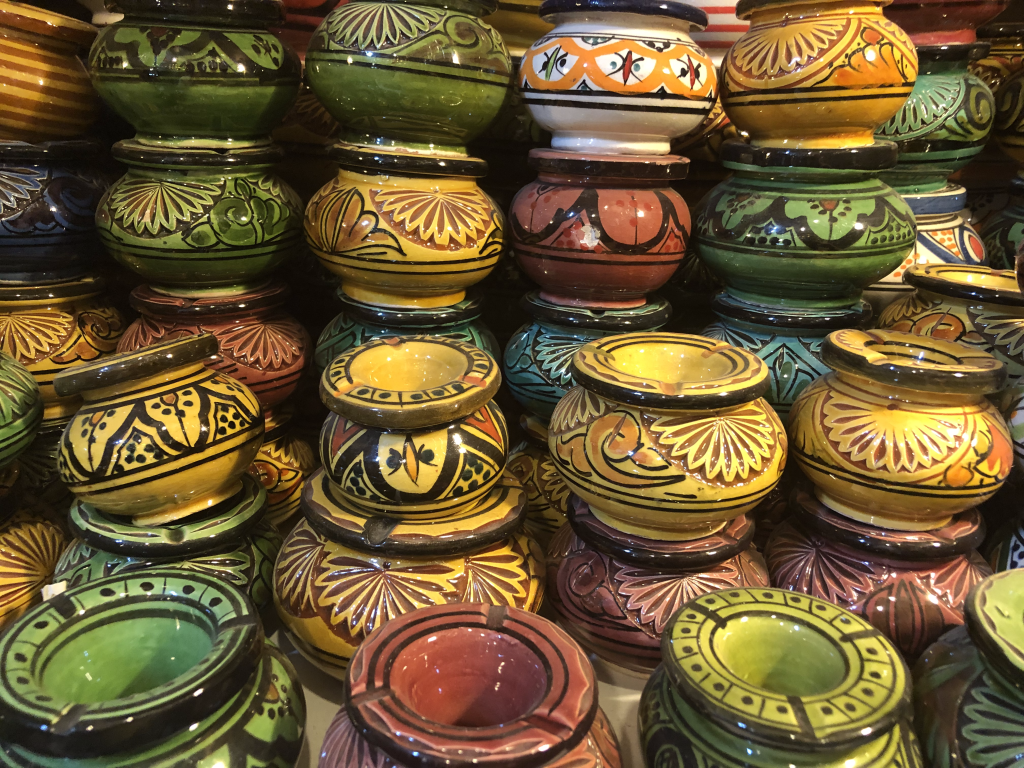
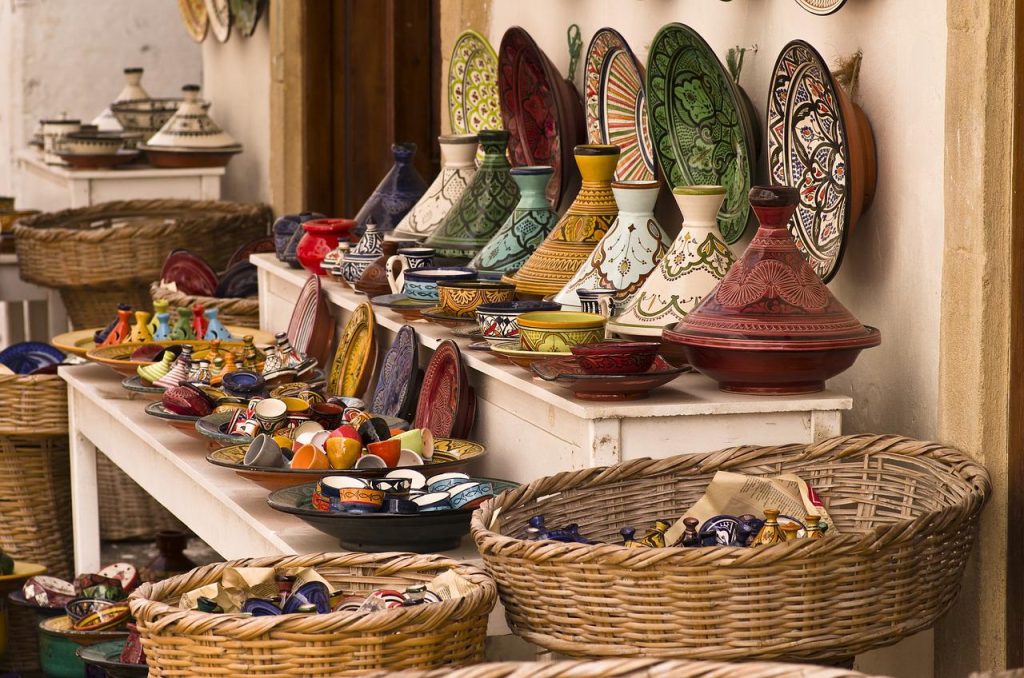
You will find souks throughout Morocco, but those in Marrakech and Fez are among the most atmospheric. They are places to browse, bargain and photograph, with everything from carpets and ceramics to spices, lanterns and leather goods competing for attention.
Enjoy the Journey
Perhaps one of the best things to do in Morocco is not to rush it.
Some of my favourite travel experiences are found between the headline attractions: an unexpected view from a mountain road, a quiet street early in the morning, a wildlife encounter or simply stopping somewhere because it looks interesting.
Morocco is exactly the sort of country where leaving a little space in the itinerary can reward you with some of the best moments of the trip.
🌞Best Time To Visit Morocco
Morocco is a year-round destination, but for most travellers the best times to visit are spring and autumn, when temperatures are generally comfortable for exploring cities, travelling through the mountains and heading south towards the desert. The Moroccan National Tourist Office also recommends spring and autumn for visiting the Sahara.
Spring: March to May
Spring is one of my favourite times to consider Morocco. Days are generally warm without the intense heat of summer, while the landscapes can be surprisingly green and the Atlas Mountains may still have snow on their highest peaks.
It is a particularly good time for Marrakech, Fez, road trips through the Atlas and exploring southern Morocco.
Summer: June to August
Summer can be extremely hot inland, particularly around Marrakech and further south towards the Sahara. If sightseeing and exploring are your priorities, the heat can make long days on foot uncomfortable.
The Atlantic coast is a different story. Essaouira and Agadir benefit from the influence of the ocean and are much better suited to a summer visit. Agadir enjoys a particularly mild coastal climate and around 300 days of sunshine a year.
Autumn: September to November
Autumn is another excellent time to travel around Morocco. Temperatures begin to fall after the summer heat, making it much more pleasant to explore the cities and countryside.
It is also one of the best periods for travelling into the Sahara, particularly if you are planning to visit the dunes around Merzouga.
Winter: December to February
Winter can be a great time to visit if you prefer cooler temperatures and fewer crowds. Coastal areas remain relatively mild, while Marrakech can still enjoy pleasantly warm days, although evenings can be chilly.
The mountains are a different matter. Temperatures drop considerably with altitude and snow is common in parts of the Atlas, so this needs to be taken into account if your itinerary includes mountain roads or trekking.
So, When Would I Visit?
If I were choosing the best time for a trip that combines Marrakech, the Atlas Mountains, the coast and the Sahara, I would look at April to May or September to October.
Morocco’s varied geography means there isn’t one perfect month for everywhere. The best time really depends on what you want to see, but spring and autumn provide perhaps the best balance for exploring as much of the country as possible.
📅Suggested Morocco Itinerary
Morocco is a bigger country than it first appears, and one of the easiest mistakes is trying to squeeze too much into a single trip. If you have around two weeks, you can combine some of the great cities with the Atlas Mountains, Sahara and Atlantic coast without spending every day rushing to the next destination.
Days 1–3: Marrakech
Start with three days in Marrakech, giving yourself plenty of time to explore the medina, souks and Jemaa el-Fnaa without trying to see everything at once.
Visit some of the city’s palaces and gardens, find a rooftop for sunset and, most importantly, allow some time to simply wander. Marrakech is one of those cities where getting slightly lost is all part of the experience.
Days 4–5: High Atlas Mountains and Aït Benhaddou
Leave Marrakech behind and head into the High Atlas Mountains.
This is where I would recommend slowing down and enjoying the journey. The scenery becomes increasingly dramatic as the road climbs through the mountains, with plenty of opportunities to stop for photographs along the way.
Continue towards Aït Benhaddou, one of Morocco’s most impressive fortified villages, before spending the night around Ouarzazate.
Days 6–7: Into the Sahara
Continue east towards Merzouga and the enormous dunes of Erg Chebbi.
The journey is a long one, but the changing landscapes are part of the attraction. Spend at least one night near or in the desert and make sure you experience the dunes around sunset or sunrise.
The Sahara is somewhere I wouldn’t want to rush simply to tick it off the list.
Days 8–9: Fez
From the desert, head north towards Fez.
Give yourself two days to explore Fez el-Bali, its souks, workshops, historic buildings and famous tanneries. The medina can feel bewildering at first, but that is part of what makes Fez such a fascinating place to discover.
Day 10: Chefchaouen
Continue north to the blue city of Chefchaouen in the Rif Mountains.
Its narrow blue-painted streets make it one of Morocco’s most photogenic destinations, so I would try to stay overnight rather than visit on a rushed day trip. Early morning is a particularly lovely time to explore with a camera.
Day 11: Rabat
Travel south to Morocco’s capital, Rabat.
A day is enough to see many of the highlights, including the Kasbah of the Udayas, Hassan Tower and the Atlantic waterfront. Rabat also provides a noticeably calmer change of pace after Fez and Chefchaouen.
Days 12–13: Essaouira
Head back towards the Atlantic coast and spend a couple of days in Essaouira.
Explore the old medina and fishing harbour, walk along the ramparts and enjoy some time beside the sea. After the cities, mountains and desert, Essaouira is a good place to slow the pace before the end of your trip.
Day 14: Return to Marrakech
Return to Marrakech for your final night and perhaps revisit a favourite part of the city, enjoy one last Moroccan meal or pick up anything you resisted buying in the souks first time around.
What About Agadir?
If you have a few extra days, Agadir can easily be added after Essaouira. It is a good choice if you want to finish your Moroccan adventure with some time on the beach before flying home.
Alternatively, if beaches and relaxation are more important to you than covering the whole country, I would shorten the northern part of the itinerary and spend more time exploring the Atlantic coast.
Don’t Try to See Everything
Two weeks will give you a wonderful introduction to Morocco, but it won’t show you everything, and nor should it.
I would rather spend longer in fewer places, leave some flexibility in the itinerary and enjoy the journeys in between. Morocco is a country where an unexpected stop, a mountain view, a wildlife encounter or a photograph you hadn’t planned can end up becoming one of your favourite memories of the trip.
🏨Where to Stay in Morocco
Where you stay in Morocco can become as much a part of the experience as the destination itself. From traditional riads hidden away in ancient medinas to luxurious resorts and beachfront hotels, there is accommodation to suit just about every style of trip and budget.
Marrakech
Marrakech offers perhaps the greatest choice, and one of the big decisions is whether to stay in a traditional riad within the medina or choose one of the larger hotels and resorts outside the old city.
For atmosphere, I love the idea of staying in a riad, where you can step from the bustle of the medina into a peaceful courtyard just a few metres away.
For something altogether more luxurious, the Fairmont Royal Palm Marrakech is a fabulous resort outside the city, surrounded by gardens with the Atlas Mountains providing a spectacular backdrop. With its spacious grounds, swimming pool, golf course and resort-style facilities, it’s an excellent choice if you want to combine exploring Marrakech with some serious relaxation.

Agadir
If your priority is sunshine, beach and relaxation, Agadir has a wide choice of beachfront and all-inclusive hotels.
My friends Christian and Sara stayed at the Hotel Riu Tikida Beach, an adults-only, all-inclusive hotel right beside Agadir’s long sandy beach. They particularly enjoyed the beach, swimming pools and breakfast and came home with plenty of good things to say about their stay.
Their trip actually inspired my own Agadir blog and opened my eyes to a Moroccan destination that, until then, I knew surprisingly little about.
Fez
In Fez, I would look for somewhere within or close to the historic medina. Staying in a traditional riad adds another dimension to the experience, with many hidden behind remarkably understated entrances before opening into beautiful tiled courtyards.
Location is important, however. Fez el-Bali is enormous and notoriously easy to get lost in, so somewhere reasonably close to one of the main entrances can make life considerably easier.
Essaouira
Essaouira offers everything from small riads inside the medina to larger hotels overlooking the Atlantic.
For atmosphere and character, stay within the old town. If sea views, a swimming pool and easy access to the beach are more important, look at the hotels along the beachfront just outside the medina walls.
The Sahara
If you’re travelling as far as Merzouga, spend at least one night in a desert camp.
There is now everything from relatively simple camps to luxurious tented accommodation with proper beds, private bathrooms and dinner beneath the stars. Whatever level of comfort you choose, waking up among the dunes is one of those experiences that makes the long journey into the Sahara worthwhile.
Riads or Hotels?
If you’re travelling around Morocco, I wouldn’t choose one or the other.
Stay in a riad in Marrakech or Fez for the atmosphere, try a desert camp in the Sahara and perhaps finish with a comfortable beachfront hotel in Essaouira or Agadir.
Mixing the styles of accommodation is all part of the experience and, for me, makes a journey around Morocco that little bit more memorable.
🎒 Pre Bookable Excursions
📸 Morocco Through My Lens


❓Frequently Asked Questions about Morocco
Is Morocco safe to visit?
Morocco is generally considered a safe destination for tourists, and millions of people visit the country every year without problems. As with anywhere, it pays to use common sense, particularly in busy medinas and tourist areas where pickpocketing and scams can occur.
Keep an eye on your belongings, avoid displaying valuables unnecessarily and be cautious if someone becomes overly persistent in offering directions or assistance.
Is it safe to eat the food in Morocco?
Moroccan food is one of the highlights of visiting the country, and there is no reason to avoid local restaurants or street food. However, normal food-hygiene precautions are sensible.
Choose busy places where there is a good turnover of customers and food, look for dishes being freshly cooked and be more cautious with anything that appears to have been sitting around for a long time.
If you have a sensitive stomach, bottled or properly treated water may also be the safer option.
What about the snake charmers in Marrakech?
You are likely to encounter snake charmers around Jemaa el-Fnaa in Marrakech. They may be part of the famous image of the square, but I would personally avoid supporting them.
There are concerns about the welfare and treatment of the animals involved, and visitors can also find themselves being pressured for money after taking a photograph or having a snake placed around them.
For me, Morocco has more than enough genuine wildlife and cultural experiences without needing to participate in this one.
Can I drink the tap water in Morocco?
Although tap water is treated in many parts of Morocco, visitors who aren’t accustomed to it may prefer bottled or properly filtered water, particularly if they are prone to stomach problems.
Also be sensible with ice, salads and fruit that may have been washed in water if you’re somewhere where hygiene standards are uncertain.
Do I need to dress differently in Morocco?
Morocco is a Muslim country, and dressing with a little consideration for local customs is appreciated.
You don’t need to completely change the way you dress, particularly in tourist resorts, but more modest clothing is sensible when exploring cities, rural communities and religious or traditional areas. Beachwear is best kept for the beach or hotel pool.
Do I need to speak Arabic?
No. Arabic and Amazigh are Morocco’s official languages, while French is also widely used, particularly in tourism, hotels and restaurants.
English is increasingly spoken in the main tourist destinations. Learning a couple of Arabic words or greetings before you go is always appreciated, though.
Is Morocco expensive?
Morocco can suit a wide range of budgets. Local food, public transport and simple accommodation can be inexpensive, while luxury riads, resorts, private tours and desert camps can push the cost considerably higher.
It is one of those countries where you can decide how much luxury you want to build into the trip.
Do I need cash in Morocco?
Yes. Cards are widely accepted in larger hotels, restaurants and shops, but cash remains useful and sometimes essential in souks, smaller cafés, taxis and rural areas.
The local currency is the Moroccan dirham (MAD), and ATMs are readily available in the main towns and cities.
Do I need to haggle in the souks?
Often, yes. Bargaining is part of shopping in many Moroccan souks, particularly for items such as carpets, leather goods, ceramics and souvenirs.
Keep it friendly, decide what you’re genuinely prepared to pay and don’t feel obliged to buy simply because you’ve started negotiating.
Can I photograph people in Morocco?
Morocco is an incredible country for photography, but always be respectful when photographing people.
I prefer to ask before taking someone’s portrait rather than assume they are happy to be photographed. Some people may decline and others may ask for payment, particularly in heavily visited areas. I recall in Marrakech witnessing a gentleman pulling a cart loaded full of snails. It would have made a fabulous photo but as I raised my camera to take the shot I immediately received a finger wagging at which point I pulled away and just enjoyed the view before me.
Markets, architecture, landscapes and everyday street scenes provide endless photographic opportunities, but respecting the people who live there should always come before getting the photograph.
Is Morocco good for a first visit to Africa?
I think it can be. Morocco feels wonderfully different from Europe while remaining relatively easy to reach and travel around.
There can be moments when the medinas, traffic, heat and attention from traders feel a little intense, but that’s also part of the experience. Give yourself time to adjust, don’t try to cram too much into your itinerary and embrace the fact that Morocco sometimes operates at its own pace.

🎯Final Thoughts
My own experience of Morocco comes from Marrakech, a city that I found colourful, chaotic, fascinating and, at times, a little overwhelming. It is somewhere that assaults the senses, from the noise and activity of Jemaa el-Fnaa to the maze of souks, wonderful food and quieter corners hidden behind the walls of the medina.
Agadir offered a very different perspective through the experiences of my friends Christian and Sara. Their time there was all about sunshine, the beach, good food and relaxation, showing another, much gentler side to Morocco.
And perhaps that contrast is what intrigues me most about the country. Morocco seems to offer so many different experiences, from ancient cities and Atlantic beaches to mountains, wildlife and desert landscapes.
I’ve only scratched the surface so far, but Marrakech certainly left an impression. There is much more of Morocco I would like to discover, and naturally, photograph.
Something tells me I’ll be back.