✈ Start Here – New Zealand Travel Guide
- Introduction to New Zealand
- Key Information for New Zealand
- Where Is New Zealand?
- Getting Around New Zealand
- Best Cities & Places to Visit in New Zealand
- My New Zealand Road Trip
- Best Things to Do in New Zealand
- Best Time to Visit New Zealand
- Where to Stay in New Zealand
- Pre Bookable Tours & Excursions
- New Zealand Through My Lens
- More Information About Visiting New Zealand
📍 Map Of New Zealand
🧭 Introduction to New Zealand
There are some countries that seem almost too beautiful to be real, where every bend in the road reveals another extraordinary landscape and where the temptation to stop the car, reach for the camera and simply admire the view becomes an almost daily occurrence. New Zealand is undoubtedly one of those places, a country of magnificent mountains, spectacular coastlines, ancient forests, turquoise lakes and remarkable wildlife, all packed into two islands at the bottom of the South Pacific.
For years, New Zealand had been somewhere I wanted to visit, but for one reason or another the journey had always been postponed. When I finally made it there, I decided that the best way to discover the country was to hire a car and explore at my own pace, travelling from Christchurch through the South Island before crossing Cook Strait by ferry and continuing north towards Auckland.
What followed was one of those journeys that reminded me exactly why I love travelling. There were breathtaking landscapes, fascinating little towns, memorable wildlife encounters and a few unexpected experiences along the way, including a rather amusing encounter with a possum that has become one of my favourite memories of the entire adventure.
New Zealand is a country that seems made for road trips. Its roads wind through landscapes that change dramatically within relatively short distances, from the rolling green hills and fertile plains of Canterbury to the magnificent Southern Alps, rugged West Coast, beautiful lakes and dramatic coastal scenery. On the North Island, geothermal landscapes, volcanic mountains, ancient forests and lively cities provide an entirely different experience.
What I particularly enjoyed was discovering places that might easily be overlooked on a more conventional itinerary. Of course, the famous attractions are spectacular, but some of my fondest memories came from wandering through historic towns, watching wildlife along the coast, stopping at unusual little shops and meeting people who added their own character to the journey.
There is also something rather reassuring about travelling in New Zealand, particularly for visitors from the UK. The language is familiar, driving is on the left and the country has a relaxed atmosphere that makes independent exploration relatively straightforward. Yet despite these similarities, the scenery and natural environment often feel a world away from anything we might encounter at home.
New Zealand’s Māori heritage is another essential part of the country’s identity, reflected in its language, traditions, place names and cultural experiences. Known in te reo Māori as Aotearoa, commonly translated as the Land of the Long White Cloud, New Zealand has a fascinating history and a distinctive national character shaped by its indigenous culture, European settlement and extraordinary geographical isolation.
Whether you are planning a once-in-a-lifetime road trip, a walking holiday, a wildlife adventure or simply want to discover some of the world’s most beautiful scenery, New Zealand offers an enormous amount to explore. For me, it was the combination of landscapes, wildlife, history and unexpected discoveries that made the journey so memorable, and by the time I reached Auckland, I was left wondering why on earth I had waited so long to visit.
🔑 Key Information For New Zealand
| Country | New Zealand / Aotearoa |
| Continent / Region | Oceania, South Pacific |
| Capital | Wellington |
| Largest City | Auckland |
| Currency | New Zealand Dollar (NZD) |
| Official Languages | English, te reo Māori and New Zealand Sign Language |
| Time Zone | GMT +12, or GMT +13 during New Zealand daylight saving time |
| Driving | On the left |
| International Dialling Code | +64 |
| Main International Airports | Auckland, Christchurch, Wellington and Queenstown |
| Best Time to Visit | December to March for summer; March to May for autumn colours and generally fewer visitors |
| Entry Requirements | UK Government Travel Advice |
| Tourism Website | 100% Pure New Zealand |
📍 Where Is New Zealand?
New Zealand lies in the southwestern Pacific Ocean, approximately 2,000 kilometres southeast of Australia, and is made up principally of two large islands, the North Island and South Island, together with numerous smaller islands.
Although the country may appear relatively compact on a map, the distances involved can be deceptive, particularly when travelling through mountainous regions or along winding coastal roads. The South Island is famous for its dramatic alpine landscapes, glaciers, lakes and rugged coastline, while the North Island is known for its geothermal activity, volcanic scenery, Māori culture and larger urban centres.
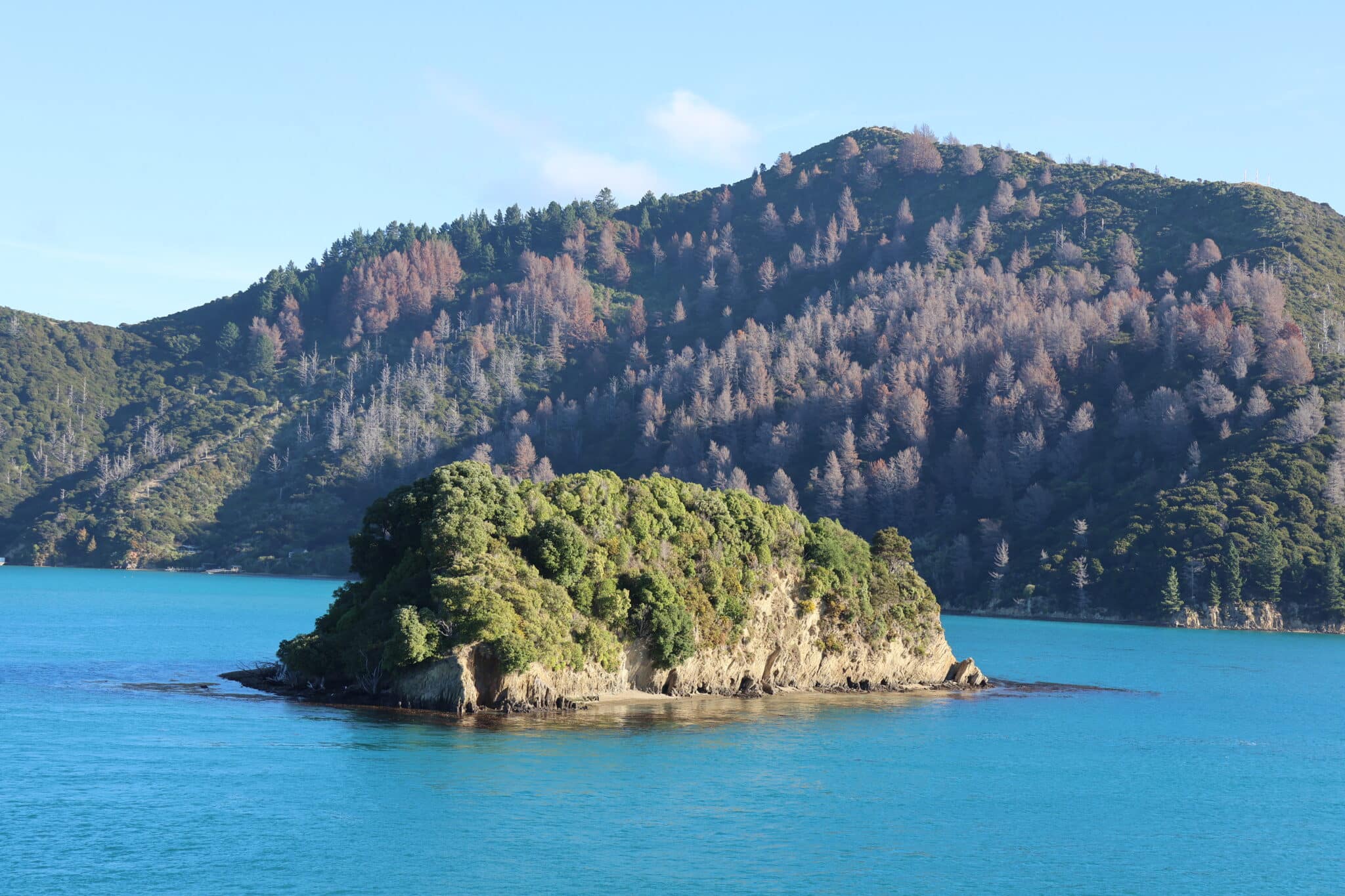
The two main islands are separated by Cook Strait, with ferry services operating between Picton on the South Island and Wellington on the North Island. This crossing is much more than a practical transport connection, particularly on the South Island side, where the ferries travel through the beautiful Marlborough Sounds.
My own journey began in Christchurch and followed a route through the South Island before continuing north by ferry and eventually reaching Auckland. It was an itinerary that allowed me to experience an extraordinary variety of landscapes, from coastal wildlife colonies and historic towns to mountain scenery, geothermal attractions and some of New Zealand’s most memorable natural wonders.
🚗 Getting Around New Zealand
If there is one country where I would particularly recommend hiring a car, it is New Zealand. Although domestic flights, buses and organised tours connect many of the main destinations, travelling independently provides the freedom to stop whenever something catches your eye, explore smaller towns and take those unexpected detours that so often become the most memorable parts of a holiday.
My own road trip was a wonderful example of this. There were plenty of famous places I wanted to visit, but some of the most enjoyable moments happened between them, when an interesting building, a beautiful viewpoint or a sign for somewhere unfamiliar persuaded me to stop and investigate.
Driving in New Zealand is relatively straightforward for visitors from the UK, as traffic keeps to the left and road signs are generally clear. However, many routes are winding, particularly in mountainous regions, and journey times can be considerably longer than the distances might suggest. It is worth allowing plenty of time, not simply because of road conditions but because you will almost certainly want to stop for photographs along the way.
The South Island is particularly rewarding for road trips, with spectacular routes through the Southern Alps, along the West Coast and around the beautiful lakes of Central Otago. Roads can be affected by snow and ice during winter, while heavy rainfall or landslides occasionally disrupt some of the more remote routes, so checking local conditions before setting off is sensible.
On the North Island, roads connect the main cities and attractions, although traffic around Auckland and Wellington can be busy. The distances between destinations are often manageable, making it possible to combine geothermal attractions, historic towns, coastal scenery and urban experiences within a relatively short period.
For travellers planning to visit both islands, the ferry crossing between Picton and Wellington is an experience I would certainly recommend. The journey takes several hours and passes through the beautiful Marlborough Sounds before crossing Cook Strait, offering wonderful scenery that makes the crossing feel like part of the holiday rather than simply a way of reaching the next destination.
Campervans are another popular way to explore New Zealand, providing flexibility and the opportunity to stay close to some of the country’s most beautiful landscapes. However, freedom camping is regulated, and visitors should check local rules and use designated camping areas where required.
For anyone considering a New Zealand road trip, my advice would be to resist the temptation to cover too much ground. The country is extraordinarily beautiful, and much of its appeal lies in the freedom to explore at your own pace rather than constantly rushing towards the next famous attraction.
🌆 Best Cities & Places to Visit in New Zealand
Christchurch – The Garden City
Christchurch is the largest city on the South Island and an excellent starting point for exploring New Zealand’s southern landscapes.
Known for its beautiful gardens, attractive river and distinctive mixture of historic and contemporary architecture, the city has undergone considerable transformation following the earthquakes of 2010 and 2011.
The Botanic Gardens, River Avon, Canterbury Museum precinct and historic tram are among its attractions, while the surrounding region offers opportunities to explore the Banks Peninsula and the beautiful countryside of Canterbury.
Queenstown – Adventure Capital of New Zealand
Queenstown is one of New Zealand’s most famous destinations, with its spectacular location beside Lake Wakatipu and beneath the Remarkables mountain range providing a magnificent setting.
The town is internationally renowned for adventure activities, including bungy jumping, jet boating, skiing and mountain biking, although there are also plenty of opportunities for more relaxed sightseeing.
Lake cruises, scenic viewpoints, excellent restaurants and the nearby historic town of Arrowtown make Queenstown a rewarding destination even for visitors who have no intention of throwing themselves off a bridge.
Arrowtown – Historic Charm and Autumn Colours
Arrowtown is a beautifully preserved former gold-mining settlement near Queenstown, famous for its historic buildings, attractive streets and magnificent autumn colours.
The town’s main street contains a collection of traditional shops, cafés and galleries, while the surrounding hills and walking trails provide beautiful scenery throughout the year.
For anyone visiting New Zealand during autumn, Arrowtown is particularly special, with the colourful foliage creating one of the country’s most picturesque settings.
Kaikōura – Whales, Dolphins and Seals
Kaikōura is one of New Zealand’s finest wildlife destinations, with its dramatic coastal setting and rich marine environment attracting visitors from around the world.
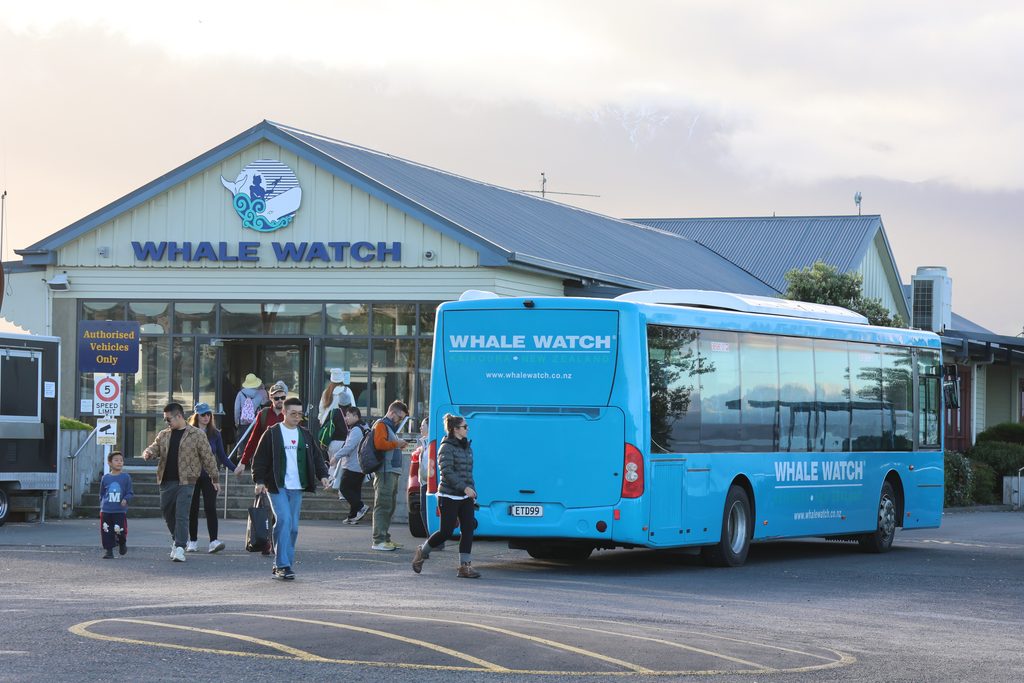
Whale-watching excursions offer opportunities to see sperm whales and other species, while dolphins, seals and seabirds are also frequently encountered in the surrounding waters.
The combination of ocean scenery, wildlife and nearby mountains makes Kaikōura a particularly memorable destination.
Oamaru and the Moeraki Boulders – Heritage and Wildlife
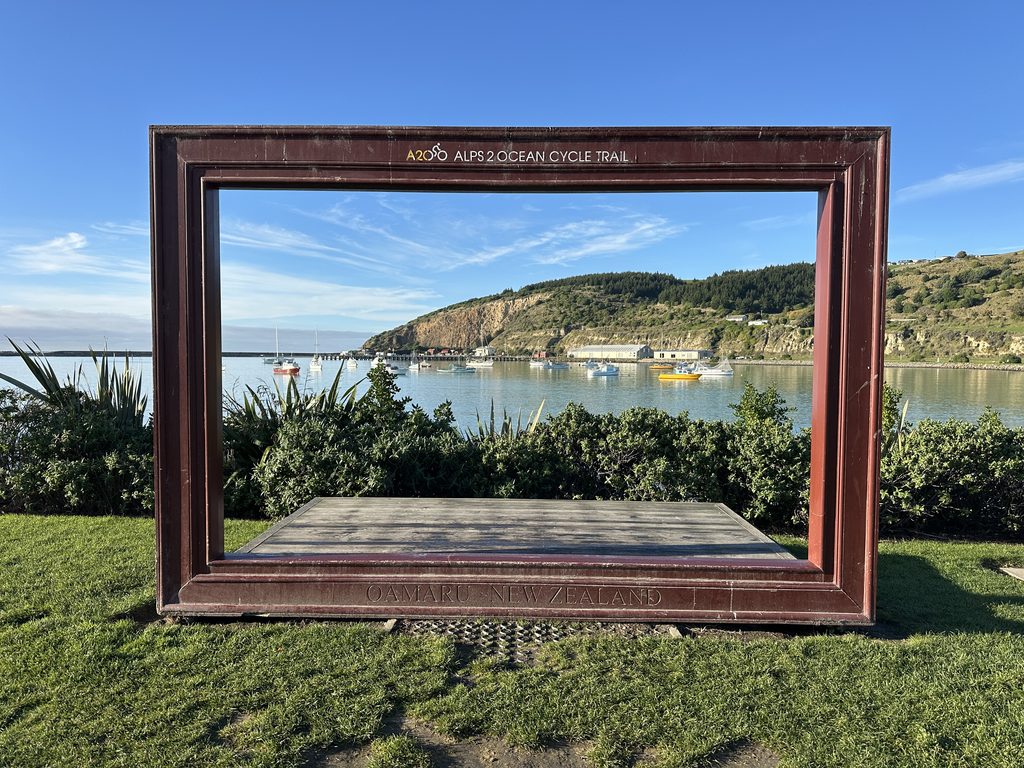
Oamaru is known for its beautifully preserved Victorian architecture, historic precinct and nearby penguin colonies, making it an appealing stop on a South Island road trip.
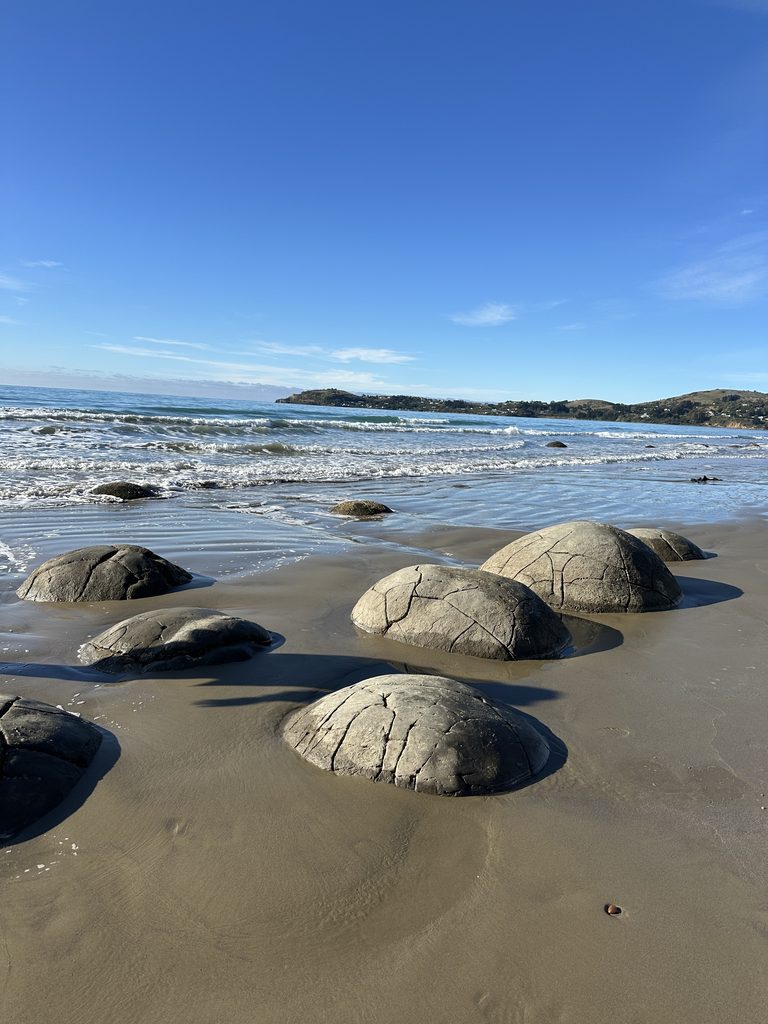
Further south, the Moeraki Boulders are among New Zealand’s most unusual natural formations, with enormous spherical rocks scattered along the beach creating a fascinating coastal landscape.
The combination of historic towns, wildlife and unusual geology makes this stretch of coastline particularly rewarding.
Dunedin and the Otago Peninsula – History and Nature
Dunedin is one of New Zealand’s most distinctive cities, with its Scottish heritage, historic architecture and attractive coastal setting.
The nearby Otago Peninsula is renowned for its wildlife, particularly the northern royal albatross colony at Taiaroa Head, along with seals, penguins and other seabirds.
The region is an excellent destination for visitors interested in history, architecture and wildlife.
Franz Josef and Fox Glacier – The West Coast
The glacier region of the South Island is one of New Zealand’s most dramatic natural environments, with towering mountains, temperate rainforest and glacier valleys creating extraordinary scenery.
Franz Josef and Fox Glacier are popular bases for exploring the surrounding landscape, although glacier access and walking routes can change as the ice retreats and local conditions evolve.
The nearby West Coast towns, forests and coastal lagoons provide further opportunities for exploration, particularly for visitors travelling independently.
Picton and the Marlborough Sounds – Beautiful Coastal Scenery
Picton is the main ferry gateway between the South and North Islands, but the surrounding Marlborough Sounds are a destination in their own right.
This extraordinary network of sheltered waterways, forested hills and secluded bays offers beautiful scenery, walking trails, boat excursions and opportunities for kayaking.
The ferry journey through the Sounds is one of New Zealand’s great scenic travel experiences and is well worth including in any itinerary connecting the two islands.
Wellington – New Zealand’s Capital
Wellington is a compact and attractive capital city, situated around a beautiful harbour and surrounded by steep hills.
The city is known for its lively café culture, museums, arts scene and attractive waterfront, while the famous Wellington Cable Car provides views across the surrounding landscape.
Te Papa, the Museum of New Zealand, is one of the country’s most important cultural attractions, offering fascinating exhibitions covering natural history, Māori culture and New Zealand’s national story.
Rotorua – Geothermal Landscapes and Māori Culture
Rotorua is one of the North Island’s most distinctive destinations, famous for its geothermal activity, steaming landscapes, bubbling mud pools and hot springs.
The region is also an important centre of Māori culture, with opportunities to learn about traditional customs, performances and the history of local communities.
Nearby forests, lakes and adventure attractions provide plenty of additional experiences, making Rotorua an excellent base for exploring the central North Island.
Lake Taupō and Huka Falls – Water and Volcanic Scenery
Lake Taupō is New Zealand’s largest lake by surface area, occupying an enormous volcanic caldera in the centre of the North Island.
The surrounding region offers beautiful scenery, walking trails, geothermal attractions and opportunities for water-based activities.
Nearby Huka Falls is one of the country’s most impressive natural sights, with enormous quantities of water rushing through a narrow rocky channel and creating a spectacular display of power and colour.
Waitomo – The Famous Glowworm Caves
Waitomo is internationally renowned for its limestone cave systems and the extraordinary glowworms that illuminate the underground darkness.
Guided cave experiences provide opportunities to discover the region’s fascinating geology, while some excursions include boat journeys beneath ceilings covered with thousands of tiny glowing lights.
The surrounding countryside also offers attractive rural scenery and walking opportunities.
Auckland – The City of Sails
Auckland is New Zealand’s largest city and an important international gateway, with its beautiful harbour, surrounding islands and modern skyline creating an attractive setting.
The Sky Tower is one of the city’s most recognisable landmarks, providing panoramic views across the urban area and surrounding waterways.
Other attractions include the waterfront, Auckland Domain, museums and ferry excursions to nearby islands such as Waiheke and Rangitoto.
Aoraki / Mount Cook National Park – Alpine Majesty
Aoraki / Mount Cook National Park is home to New Zealand’s highest mountain and some of the most spectacular alpine scenery in the country.
The park contains magnificent glaciers, dramatic valleys and beautiful walking trails, including the popular Hooker Valley Track, subject to current access conditions.
For photographers, walkers and nature enthusiasts, this region offers some of the South Island’s most extraordinary landscapes.
Milford Sound / Piopiotahi – Fiordland’s Famous Landscape
Milford Sound is one of New Zealand’s most celebrated natural attractions, located within Fiordland National Park in the southwest of the South Island.
Despite its name, it is actually a fiord, carved by glaciers over thousands of years, with towering cliffs, waterfalls and dramatic mountain scenery creating one of the country’s most recognisable landscapes.
Boat cruises provide opportunities to appreciate the scale of the surrounding cliffs and waterfalls, while the journey through Fiordland is itself famous for its scenery.
Although Milford Sound was not part of my own road trip, it remains one of New Zealand’s best-known destinations and is certainly worth considering when planning a visit to the South Island.
Abel Tasman National Park – Beaches and Coastal Walks
Located near the northern tip of the South Island, Abel Tasman National Park is famous for its golden beaches, turquoise waters and beautiful coastal walking trails.
The Abel Tasman Coast Track is one of New Zealand’s Great Walks, while kayaking and water-taxi excursions provide alternative ways to explore the coastline.
The park offers a wonderful contrast to the mountains and glaciers found further south.
🚙 My New Zealand Road Trip
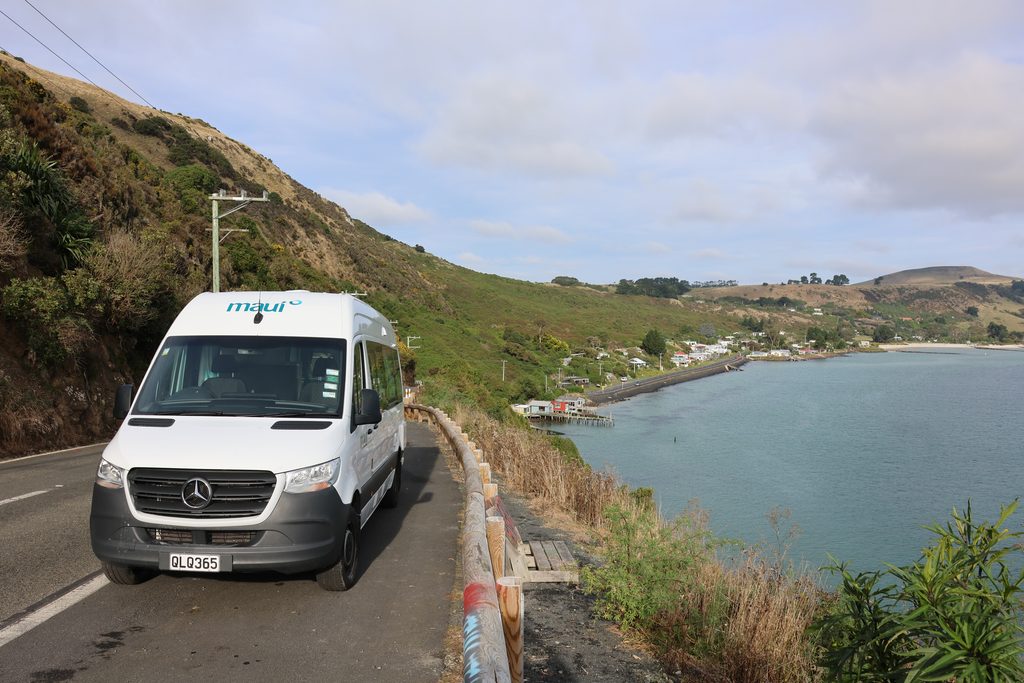
I travelled around both the North and South Islands of New Zealand in a Maui motorhome, enjoying the freedom of the open road and discovering some incredible places along the way. From spectacular landscapes to unexpected encounters and memorable little adventures, it was a journey full of surprises. I’ll be sharing more stories from my travels very soon, so watch this space!
A New Zealand South Island Road Trip
Discover the full story of my journey from Christchurch through Oamaru, Queenstown, the West Coast and Kaikōura, with memorable wildlife encounters, beautiful landscapes and some wonderfully unexpected discoveries.
Coming Soon – Crossing Cook Strait from Picton to Wellington
Join me aboard the Interislander ferry as I travel through the magnificent Marlborough Sounds and across Cook Strait, discovering why this crossing became one of the scenic highlights of my New Zealand adventure.
Coming Soon – My New Zealand North Island Road Trip
Follow my journey from Wellington through Rotorua, Huka Falls and Waitomo before reaching Auckland, including geothermal wonders, glowworms and a particularly memorable encounter with a possum.
✔ Best Things to Do in New Zealand
New Zealand is one of those destinations where the landscape itself is often the greatest attraction, and simply travelling through the country can provide an endless succession of memorable experiences.
For wildlife enthusiasts, Kaikōura is a particularly special destination, with opportunities for whale watching, dolphin encounters and observing seals along the coast. The Otago Peninsula offers another fascinating wildlife experience, particularly for visitors interested in albatrosses, penguins and other seabirds.
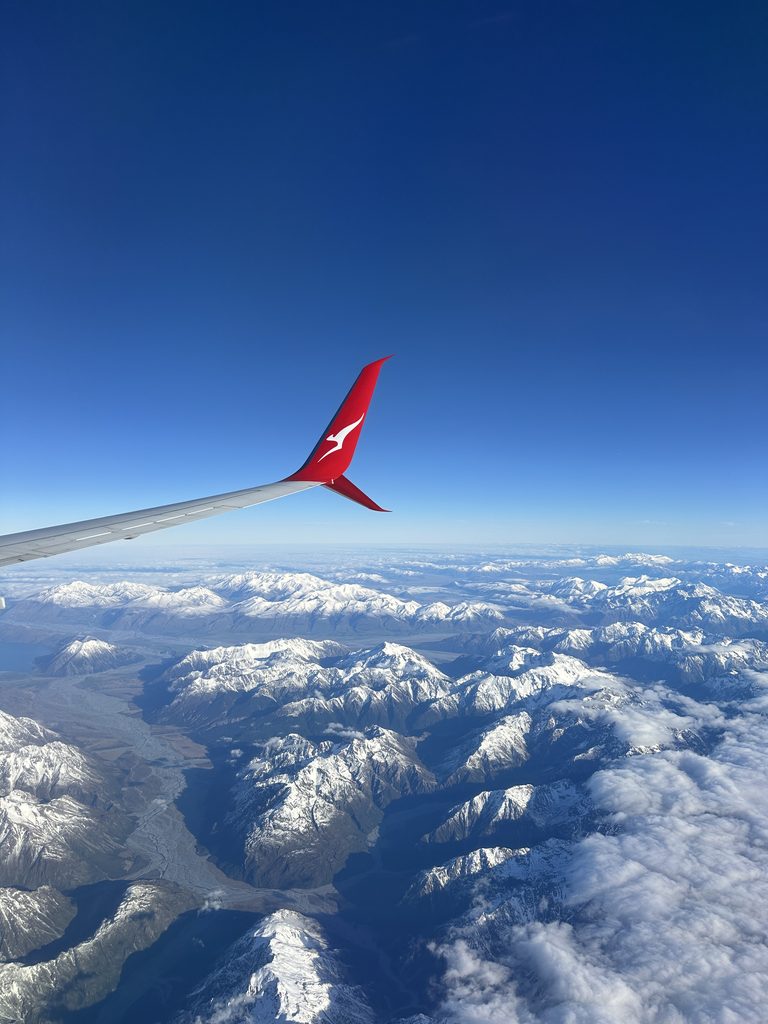
Exploring the Southern Alps is another essential part of a South Island adventure, whether through scenic drives, walking trails or visits to the beautiful lakes and mountain towns around Queenstown and Aoraki / Mount Cook.
For anyone interested in history and local character, smaller towns such as Arrowtown, Oamaru and Reefton provide fascinating opportunities to discover New Zealand beyond its famous natural attractions.
The country’s geothermal landscapes are another major highlight, particularly around Rotorua and Taupō, where steaming pools, volcanic features and powerful waterfalls create a completely different environment from the alpine scenery of the South Island.
A visit to Waitomo’s glowworm caves is another memorable experience, with the extraordinary illuminated cave ceilings providing a glimpse into one of New Zealand’s most unusual natural phenomena.
For those travelling between the two main islands, the ferry crossing from Picton to Wellington should be regarded as an attraction in its own right, particularly when passing through the beautiful Marlborough Sounds.
New Zealand is also internationally renowned for adventure activities, including bungy jumping, jet boating, skiing, kayaking, mountain biking and hiking, although there are plenty of more relaxed ways to appreciate the country’s scenery.
For me, however, the greatest pleasure was the freedom of the open road, discovering beautiful places, encountering extraordinary wildlife and enjoying the unexpected moments that made the journey uniquely memorable.
🌞 Best Time to Visit New Zealand
New Zealand can be visited throughout the year, although the best time to travel depends largely on the type of holiday you are planning and the regions you want to explore.
The summer months from December to February are generally the warmest and most popular, with long daylight hours providing excellent opportunities for road trips, hiking, coastal activities and outdoor sightseeing.
Autumn, from March to May, is another wonderful time to visit, particularly in Central Otago, where the changing colours create beautiful landscapes around Arrowtown and Queenstown. This was one of the aspects of my own journey that I particularly enjoyed, with the golden autumn foliage adding another dimension to the already spectacular scenery.
Winter, from June to August, brings snow to the mountains and creates excellent conditions for skiing and snowboarding in regions such as Queenstown and Wānaka, although some mountain roads and walking routes may be affected by snow and ice.
Spring, from September to November, is a beautiful time to explore the countryside, with flowers, fresh green landscapes and snow remaining on the higher mountains, although the weather can be changeable.
It is worth remembering that New Zealand’s climate varies considerably between regions. The West Coast of the South Island receives significant rainfall, while Central Otago is generally much drier, and conditions in the mountains can change rapidly at any time of year.
For a road trip combining both islands, I would particularly recommend late summer or autumn, when the weather can be pleasant, the main tourist areas are often less crowded than during the peak holiday period and the landscapes are especially beautiful.
📅 Suggested New Zealand Itinerary
New Zealand is a country that rewards taking your time, and while it is possible to see some of the main highlights in two weeks, I would recommend allowing at least three weeks for a road trip covering both islands.
A journey similar to my own could begin in Christchurch, where a couple of days would provide time to explore the city before heading south along the coast towards Oamaru and the Moeraki Boulders.
From there, continue towards Dunedin and the Otago Peninsula, allowing time for wildlife experiences before travelling inland towards Arrowtown and Queenstown. This part of the journey offers some of the South Island’s most beautiful scenery, particularly in autumn when the colours around Arrowtown are magnificent.
After spending several days exploring the Queenstown region, head towards the West Coast, where the landscapes change dramatically as the roads wind through mountain passes, rainforest and glacier country. Franz Josef and Fox Glacier provide convenient bases for exploring the region, while smaller places such as Ōkārito and Reefton offer opportunities to discover a quieter side of New Zealand.
Continue north towards Kaikōura, allowing time for whale watching and exploring the coastline before travelling to Picton for the ferry crossing through the Marlborough Sounds to Wellington.
On the North Island, spend time discovering Wellington before travelling north towards Lake Taupō and Rotorua, where geothermal attractions, Māori cultural experiences and beautiful natural scenery provide a fascinating contrast to the South Island.
Waitomo is another worthwhile stop, particularly for its extraordinary glowworm caves, before continuing towards Auckland for the final stage of the journey.
For visitors with additional time, there are numerous opportunities to extend the itinerary, perhaps including Aoraki / Mount Cook, Abel Tasman National Park, Fiordland or the Bay of Islands.
My own route was shaped as much by the places I discovered along the way as by the destinations I had originally planned, and I would certainly encourage anyone considering a similar adventure to allow enough flexibility for those unexpected stops that often become the best memories.
🏨 Where to Stay in New Zealand
New Zealand offers an excellent range of accommodation, from luxury lodges and boutique hotels to traditional motels, guesthouses, holiday parks and self-contained apartments.
For anyone planning a road trip, motels are particularly convenient, often providing parking, kitchen facilities and easy access to the main roads, making them ideal for travellers moving between destinations.
In Christchurch and Wellington, staying close to the city centre provides convenient access to restaurants, museums and attractions, while Queenstown offers a wide choice of hotels and apartments overlooking Lake Wakatipu or within walking distance of the town centre.
Smaller towns such as Oamaru, Arrowtown, Kaikōura and Reefton can provide more characterful accommodation experiences, with guesthouses, historic properties and locally operated establishments offering opportunities to discover the personality of each destination.
On the West Coast, accommodation around Franz Josef and Fox Glacier ranges from comfortable motels to rainforest lodges, while Rotorua and Taupō offer a broad selection of hotels, lakeside properties and holiday accommodation.
New Zealand is also a popular destination for campervan holidays, with numerous holiday parks and designated camping areas providing facilities for travellers exploring independently.
Accommodation can become expensive during the peak summer season, particularly around Christmas, New Year and school holidays, so booking ahead is advisable in popular destinations.
For a road trip, I would recommend balancing advance reservations with a little flexibility where possible, allowing time to enjoy places that turn out to be more interesting than expected.
🎟 Pre-bookable Tours & Excursions
New Zealand offers an extraordinary variety of excursions and experiences, many of which are worth booking in advance, particularly during the busiest travel periods.
Whale watching in Kaikōura is one of the country’s most memorable wildlife experiences, while penguin viewing around Oamaru and albatross experiences on the Otago Peninsula provide further opportunities to discover the country’s remarkable birdlife.
In Queenstown, popular activities include scenic lake cruises, jet boating, bungy jumping and excursions into the surrounding mountains, while the glacier region offers guided experiences and scenic flights, subject to weather and operating conditions.
The ferry crossing between Picton and Wellington is another journey worth booking ahead, particularly if travelling with a hire car or campervan, as vehicle spaces can fill quickly during busy periods.
On the North Island, Rotorua offers geothermal attractions and Māori cultural experiences, while guided tours of the Waitomo glowworm caves are among the country’s most popular natural attractions.
For visitors interested in walking and outdoor activities, New Zealand’s national parks contain an extraordinary variety of trails, although some routes require advance reservations, permits or specialist equipment.
Whatever experiences you choose, it is worth allowing for New Zealand’s changeable weather, particularly for boat excursions, scenic flights and activities in mountainous regions.
📷 New Zealand Through My Lens
New Zealand is one of the most rewarding countries I have ever visited with a camera, and looking back through my photographs brings back memories of an extraordinary variety of landscapes, wildlife encounters and unexpected discoveries.
The South Island provided some of the most spectacular scenery, from the beautiful autumn colours of Arrowtown and the mountains around Queenstown to the rugged West Coast, glacier valleys and dramatic coastline around Kaikōura.
Wildlife was another enormous part of the experience, with penguins, albatrosses, whales and seals providing wonderful opportunities to observe and photograph animals in their natural environments.
The ferry crossing through the Marlborough Sounds was particularly memorable, with forest-covered hills, sheltered bays and beautiful coastal scenery unfolding throughout the journey.
On the North Island, the powerful waters of Huka Falls, geothermal landscapes around Rotorua and extraordinary glowworm caves at Waitomo offered a completely different collection of natural wonders.
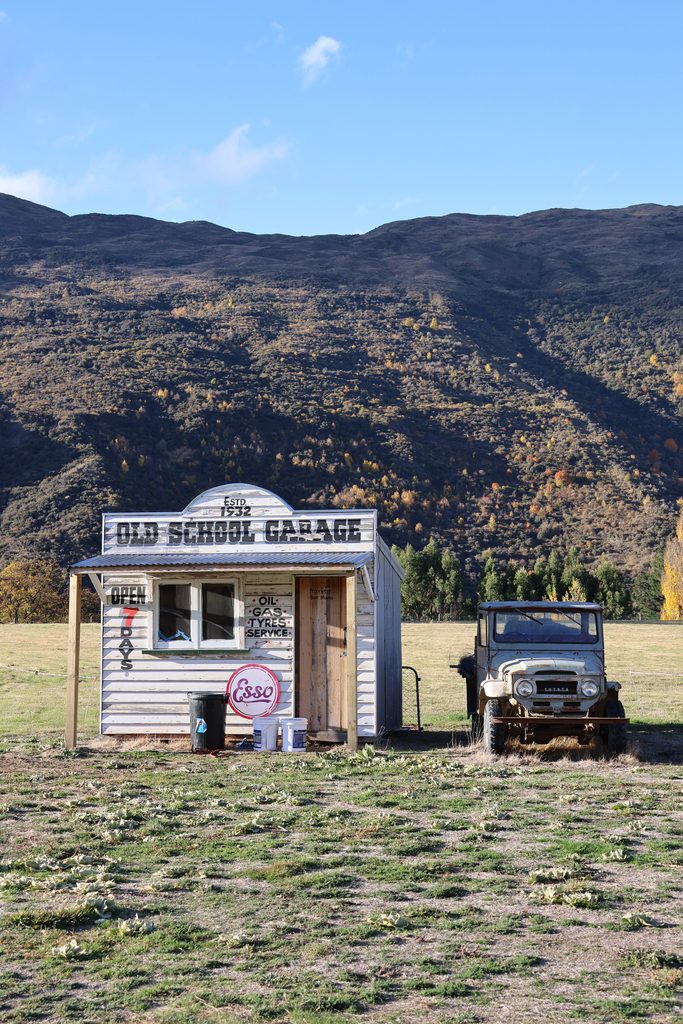
Of course, some of my favourite photographs are not necessarily of famous attractions but of the smaller places and unexpected moments encountered along the way, from historic towns and unusual shops to quiet coastal viewpoints and the occasional encounter with a curious animal.
Below is a selection of my favourite photographs from New Zealand, capturing some of the extraordinary landscapes, wildlife and memories from my road trip through the Land of the Long White Cloud.
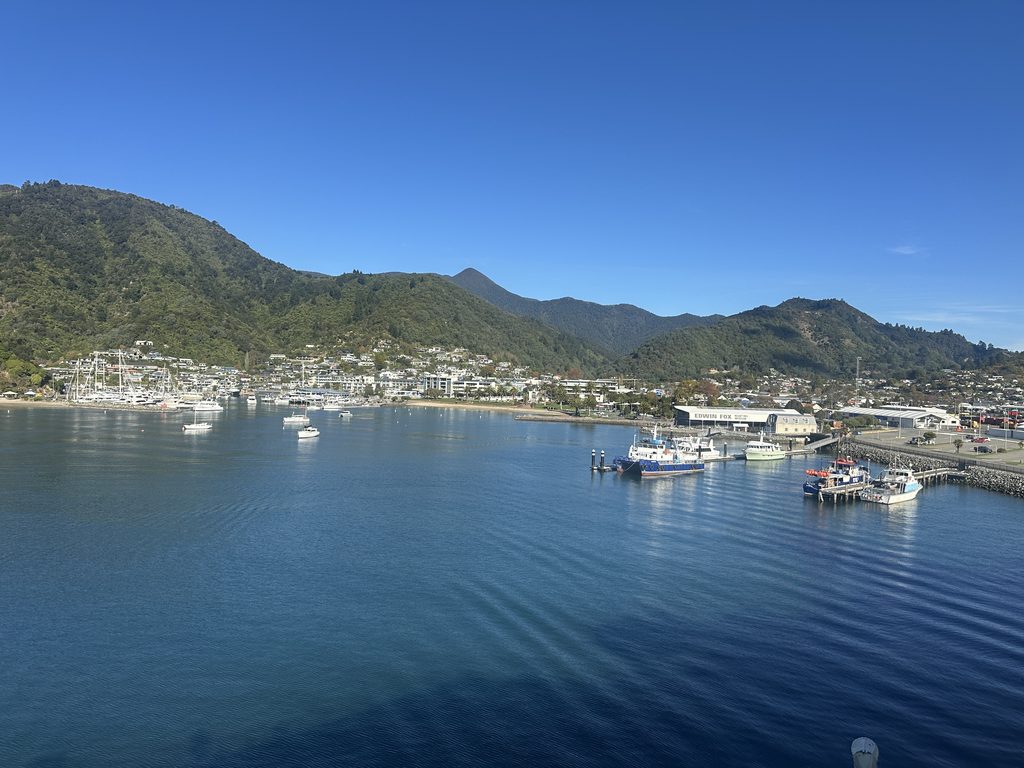
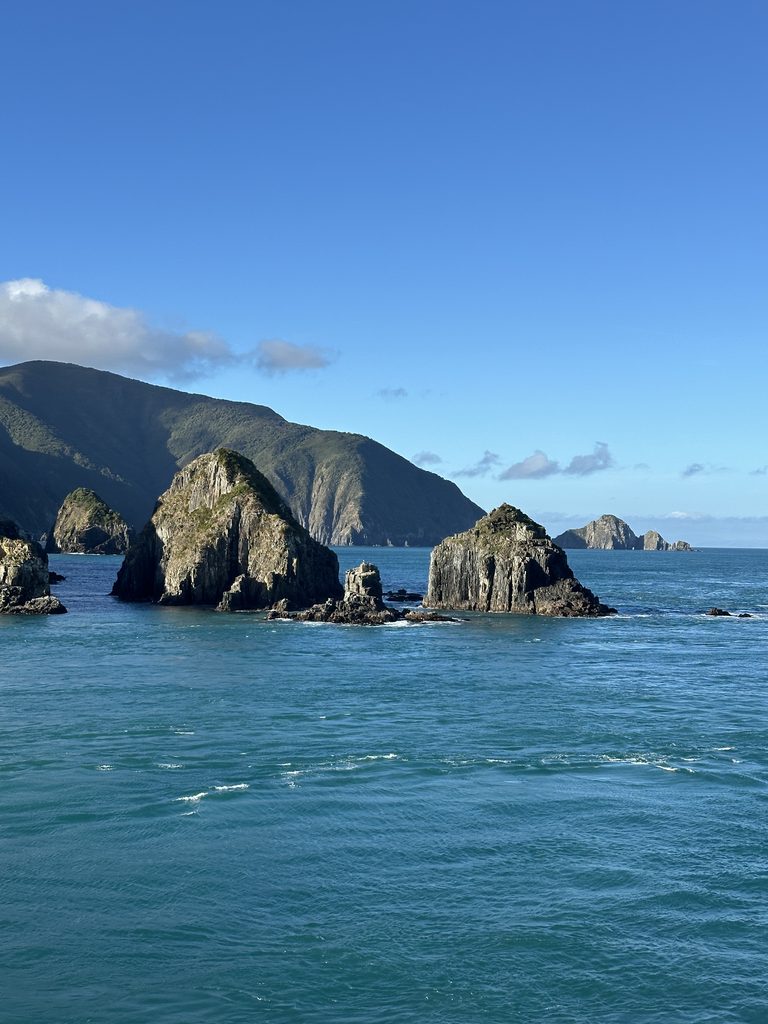
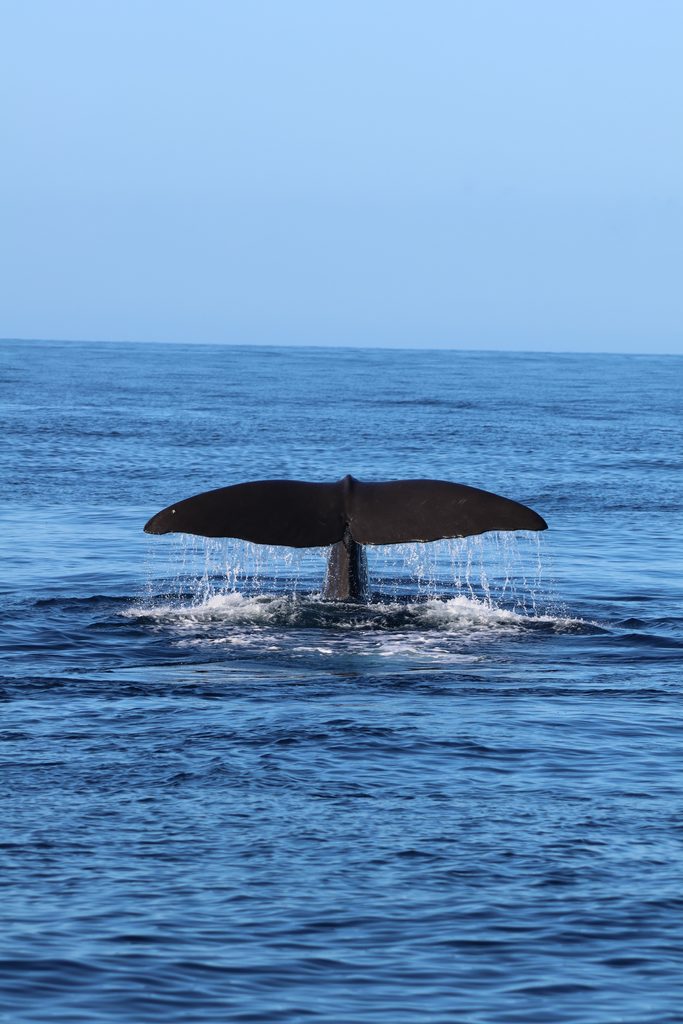
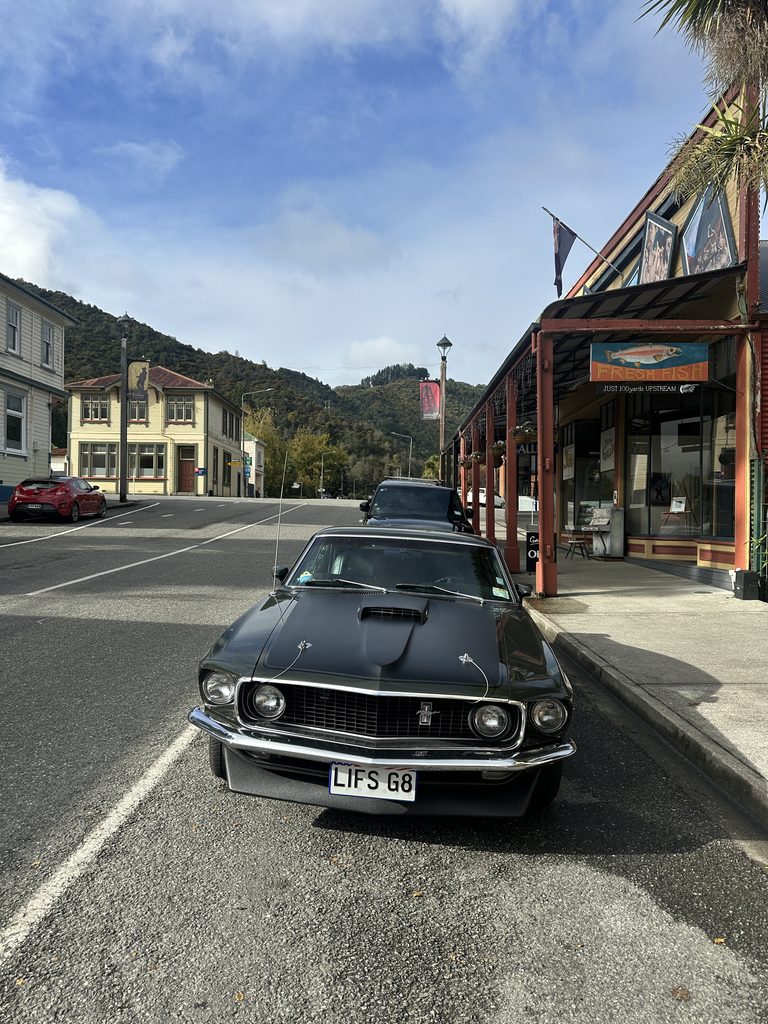
More Information About Visiting New Zealand
For further information about planning a holiday to New Zealand, the official 100% Pure New Zealand tourism website provides useful advice on destinations, accommodation, attractions and travel arrangements.
The Department of Conservation is another excellent resource, particularly for visitors interested in national parks, walking trails, wildlife and responsible outdoor activities.
British travellers should also check the latest UK Government travel advice before departure, including passport, visa or NZeTA requirements, biosecurity regulations and any relevant travel updates.
New Zealand is a country that has an extraordinary ability to surprise you, even when you think you know what to expect. Its famous mountains, lakes and coastlines are every bit as beautiful as the photographs suggest, but what made my own journey so special was the combination of these magnificent landscapes with the smaller discoveries and personal experiences that unfolded along the way.
From Christchurch and the historic streets of Oamaru to the autumn colours of Arrowtown, the magnificent scenery of Queenstown and the rugged beauty of the West Coast, the South Island delivered one memorable experience after another. Whale watching in Kaikōura, observing penguins and albatrosses and exploring some wonderfully unusual little towns added a completely different dimension to the adventure.
Crossing Cook Strait through the Marlborough Sounds was another highlight, a journey that I had originally regarded as little more than a ferry crossing but which turned out to be one of the most beautiful parts of the entire trip.
The North Island offered a different collection of experiences, with the powerful waters of Huka Falls, geothermal landscapes around Rotorua, extraordinary glowworms at Waitomo and a rather memorable possum providing the final chapters before I eventually reached Auckland.
What I particularly loved about New Zealand was the freedom of travelling independently, taking the time to explore places that interested me and discovering that some of the most memorable moments were not necessarily the ones I had planned in advance.
It is a country where the scenery constantly changes, where wildlife is never far away and where even a relatively ordinary stretch of road can suddenly reveal something extraordinary.
Having wanted to visit New Zealand for so many years, I eventually came away with far more memories than I could ever have anticipated, and the experience reinforced everything I enjoy about travelling: the freedom of the open road, the pleasure of discovering somewhere new and the unexpected encounters that make every journey unique.
If you are considering a New Zealand road trip, I would encourage you to allow as much time as possible, explore beyond the most famous attractions and leave room for a few surprises along the way.
After all, you never quite know when the next magnificent view, charming little town or friendly possum might be waiting just around the corner.