
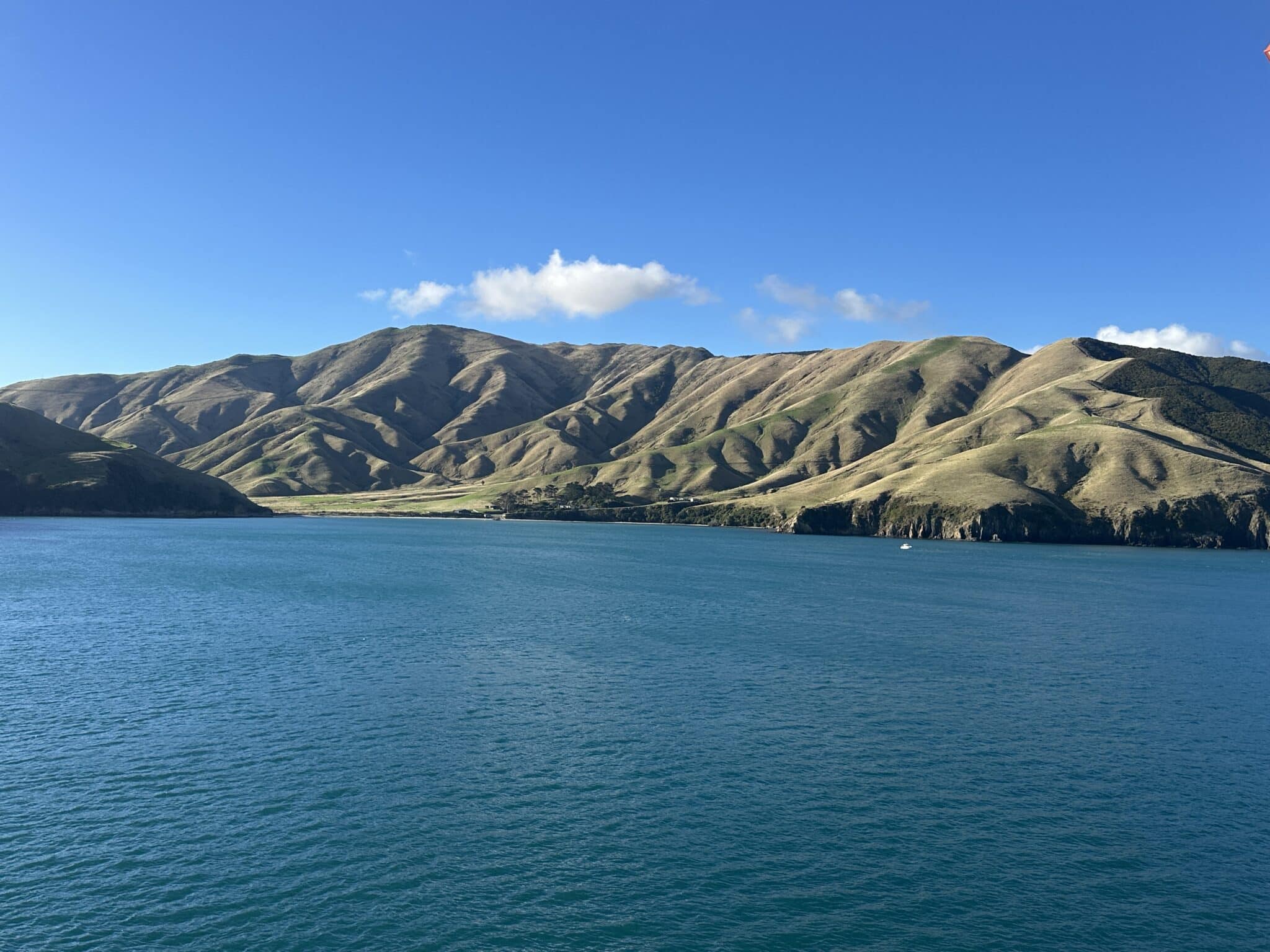
One of the highlights of travelling around New Zealand by campervan is the journey between the South and North Islands. Rather than simply being a means of getting from one island to the other, the ferry crossing from Picton to Wellington is a scenic experience in its own right, particularly as you navigate the beautiful waterways of the Marlborough Sounds before heading out across Cook Strait.
Having spent time exploring New Zealand’s South Island in a Maui motorhome, I arrived in Picton ready to begin the next stage of my adventure. Travelling with a motorhome meant that I could continue my journey independently on the North Island, without the inconvenience of changing vehicles or transferring luggage.
However, there are a few things worth knowing before making the crossing, particularly when it comes to the cost of transporting a campervan, booking in advance and allowing sufficient time for your journey.
For more inspiration when planning your trip, take a look at my main New Zealand Travel Guide, which brings together advice and experiences from my travels around both islands.
Which Ferry Companies Operate Between Picton and Wellington?
There are two principal ferry operators providing regular services between New Zealand’s North and South Islands, both of which accommodate foot passengers, cars, campervans, motorhomes and commercial vehicles.
- Interislander – Perhaps New Zealand’s best-known ferry operator, with a long history of transporting passengers across Cook Strait.
- Bluebridge – An alternative operator offering regular crossings, with a range of onboard facilities and private cabin options.
I travelled with Interislander, although I would recommend comparing both operators before booking, as prices, departure times, availability and onboard facilities can vary considerably.
For me, one of the most important considerations when choosing a sailing would be travelling during daylight hours. Whilst an evening or overnight departure may suit your itinerary or budget, it would be a shame to miss some of the magnificent scenery along the way.
How Much Does the Picton to Wellington Ferry Cost With a Campervan?
One of the more significant expenses when planning a campervan holiday around both islands of New Zealand is the Cook Strait ferry crossing. The cost depends on several factors, including the length of your motorhome, the number of passengers travelling, the time of year and the flexibility of your chosen ticket.
Larger motorhomes understandably cost more to transport, so it is important to establish the exact dimensions of your rental vehicle before making a reservation. Additional charges may also apply for bicycle racks, trailers or anything that increases the overall length of the vehicle.
As an approximate guide, the following figures provide an indication of what you might expect to budget for a one-way crossing.
| Passenger or vehicle | Indicative cost |
|---|---|
| Adult foot passenger | NZ$90–110 |
| Child passenger | NZ$50–65 |
| Small campervan up to 5.5 metres, vehicle only | NZ$250–320 |
| Additional vehicle length per 0.5 metres | NZ$50–60 |
| Small campervan with two adults | NZ$430–540 |
| 7-metre motorhome with two adults | NZ$580–720 |
These are indicative budgeting figures based on published fares for 2026/27 rather than guaranteed prices. Cook Strait Ferries+1 Peak-season sailings and flexible tickets may be considerably more expensive, so I would recommend obtaining a quotation directly from the ferry operator.
It is also worth speaking to your campervan rental company, as some have arrangements with ferry operators and may be able to organise the crossing on your behalf. Remember to check whether any one-way motorhome rental charges apply separately to the ferry fare.
Why It Is Important to Book Your Ferry in Advance
Whilst one of the great pleasures of travelling around New Zealand by motorhome is the freedom to change your itinerary as you go, the ferry crossing is one element of the holiday that I would strongly recommend organising well in advance.
Vehicle space is limited, particularly for larger campervans and motorhomes, and popular departures can sell out well ahead of time. During the New Zealand summer months, Christmas and New Year, Easter and school holidays, demand can be particularly high.
Finding yourself in Picton without a confirmed reservation could result in having to wait for an alternative sailing, potentially disrupting accommodation bookings, excursions and the remainder of your itinerary on the North Island.
If you are travelling during peak season, I would recommend booking several months ahead, ideally once you have confirmed your campervan rental and established the approximate route of your holiday. It is also worth considering a flexible ferry ticket if you would like the option of changing your travel date.
Departing From Picton
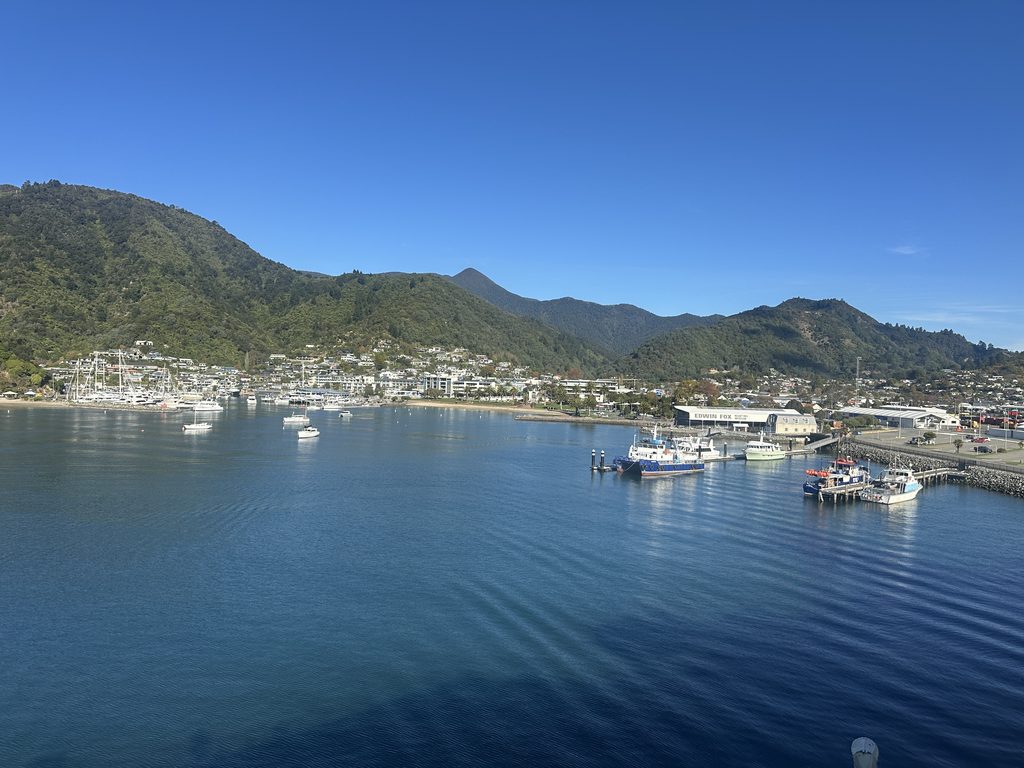
Situated at the northern end of New Zealand’s South Island, Picton is an attractive little harbour town surrounded by the beautiful landscapes of the Marlborough Sounds. Although many visitors simply pass through on their way to or from the ferry, it is certainly somewhere worth allowing a little time to explore.
The waterfront has a pleasant collection of cafés, restaurants and shops, whilst the marina and surrounding hills provide a picturesque setting. If your itinerary allows, staying in Picton the night before your departure is a sensible option, particularly if you have booked an early morning sailing.
Having travelled north from Kaikōura following an extraordinary journey around the South Island, Picton marked the conclusion of the first stage of my New Zealand adventure.
You can read more about that journey, including my visits to Queenstown, Arrowtown, the West Coast glaciers and the wildlife-rich Otago Peninsula, in my article New Zealand – A South Island Road Trip.
Checking In With Your Campervan
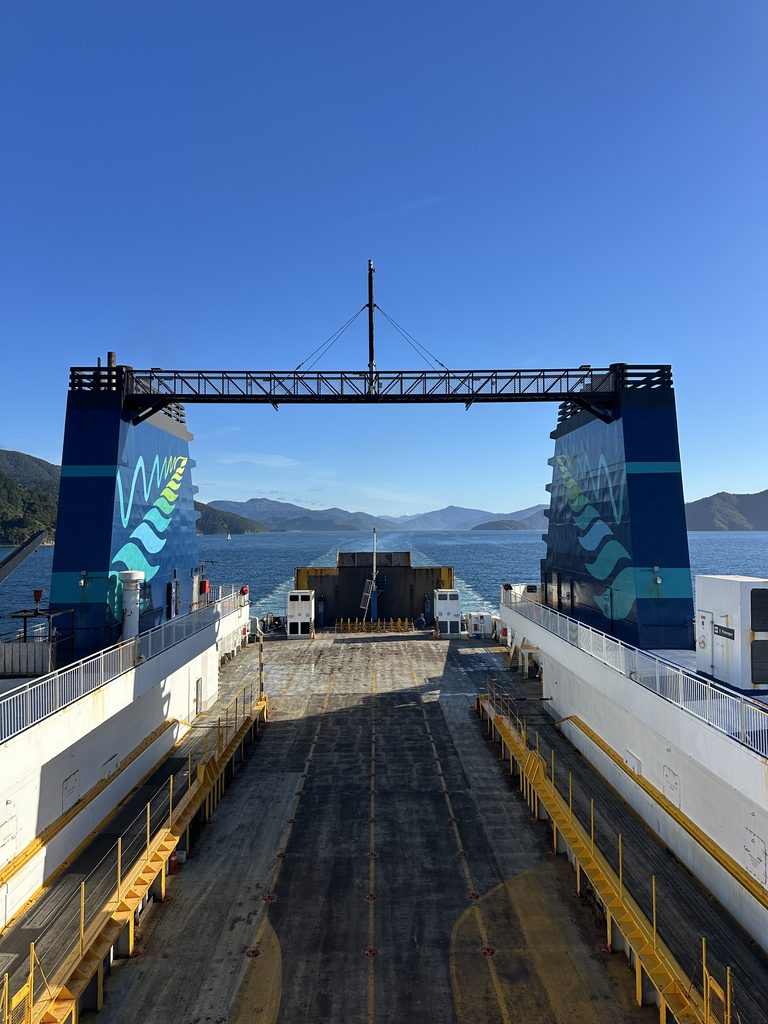
The process of boarding the ferry with a motorhome is relatively straightforward, although it is important to arrive in plenty of time. Interislander requires passengers travelling with vehicles to check in at least 60 minutes before departure, although I would personally allow around 90 minutes to avoid any unnecessary stress. Cook Strait Ferries
After checking in, you will be directed towards a vehicle holding area before being instructed by staff to drive aboard the ferry and park on one of the vehicle decks.
Before leaving your motorhome, make sure that cupboards and loose items are secured, the handbrake is applied and gas appliances and LPG cylinders are turned off in accordance with the operator’s instructions.
Once the ferry has departed, you will not normally be permitted to return to the vehicle deck, so remember to take everything you might need during the crossing, including your camera, phone, medication, warm clothing and any valuables.
How Long Is the Ferry Crossing From Picton to Wellington?
The journey between Picton and Wellington covers approximately 92 kilometres (57 miles) and takes around three and a half hours, depending on weather and sea conditions.
When you include check-in, boarding and disembarkation, I would allow approximately five to six hours for the entire experience. It is therefore worth treating the crossing as a significant part of your day’s itinerary rather than planning an ambitious drive immediately after arriving in Wellington.
You can check departure times on the Interislander ferry timetable or the Bluebridge ferry timetable.
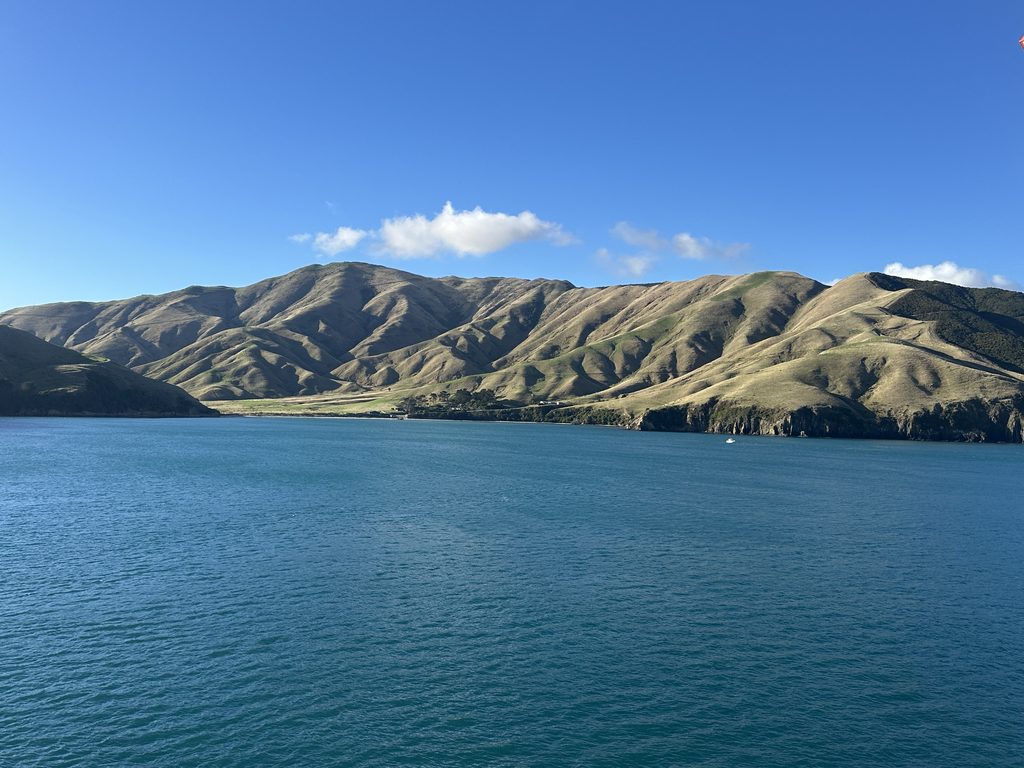
What’s On Board the Interislander Ferry?
The Interislander ferries are equipped with a range of facilities designed to make the journey comfortable, whether you are travelling independently, as a couple or with a family.
Depending on the vessel and sailing, onboard facilities can include:
- Cafés and restaurants serving hot meals, snacks and refreshments.
- Bars and comfortable passenger lounges.
- Large windows offering panoramic views.
- Outdoor observation decks.
- Children’s entertainment and play areas.
- Premium lounges available at an additional charge.
- Wi-Fi services and charging facilities.
- Private cabins on certain vessels.
For me, however, the greatest attraction was the scenery outside. I spent much of the crossing out on deck with my camera, watching the ever-changing landscapes and appreciating the opportunity to see a different side of New Zealand from the water.
I would recommend bringing a warm jacket, even on a sunny day, as the wind can be surprisingly cold once the ferry leaves the sheltered waters of the Marlborough Sounds.
The Magnificent Marlborough Sounds
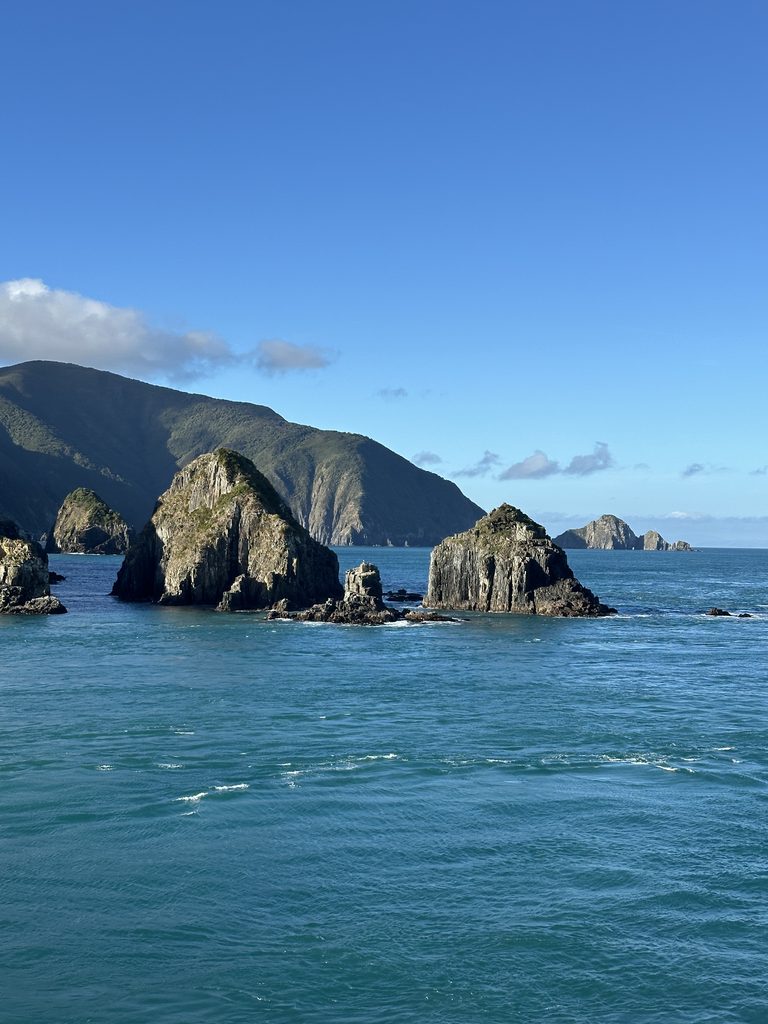
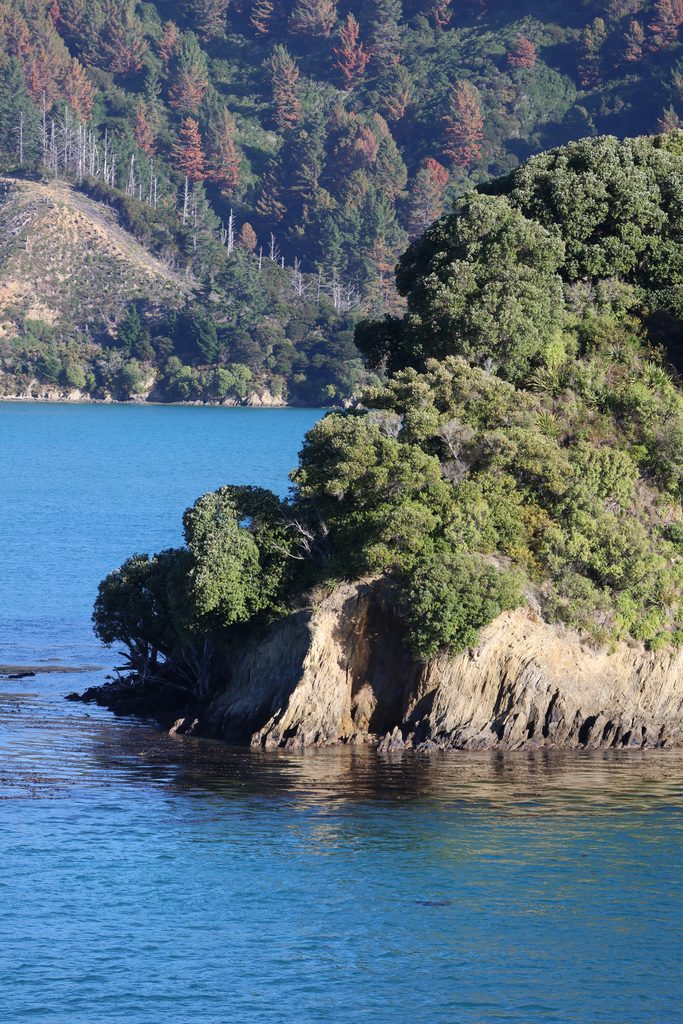
Without doubt, the highlight of the crossing from Picton to Wellington is the journey through the Marlborough Sounds, an extraordinary network of submerged valleys, sheltered waterways, forest-covered hills and secluded bays at the northern tip of the South Island.
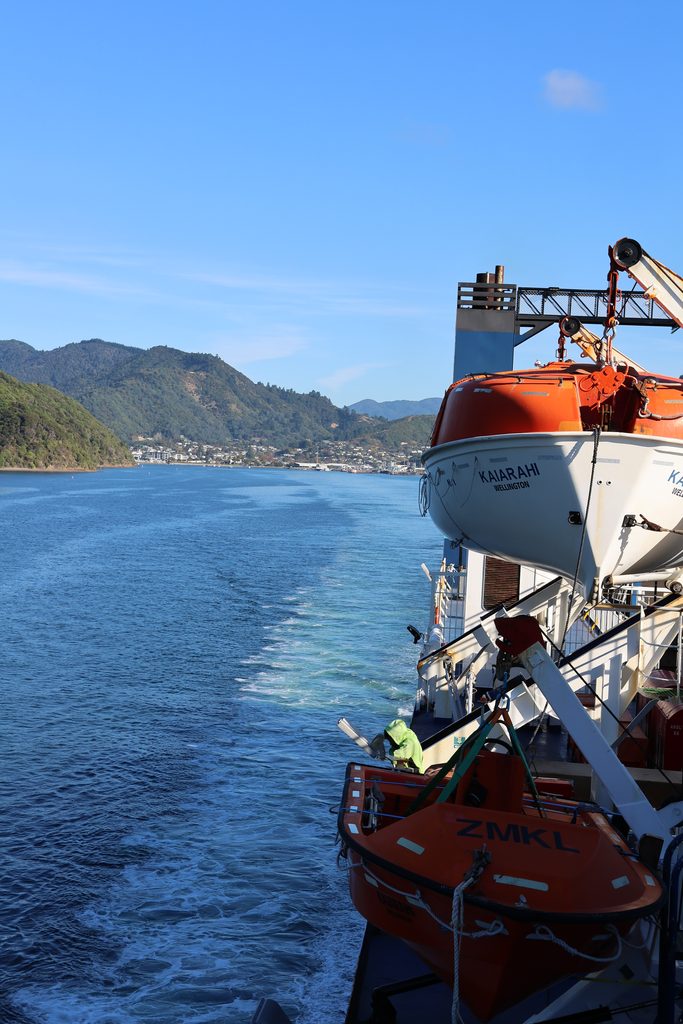
Leaving Picton, the ferry travels through Queen Charlotte Sound, also known by its Māori name, Tōtaranui, where the surrounding hills descend steeply towards the water. Small boats, isolated holiday homes, remote jetties and attractive little bays appear along the shoreline, many of them accessible far more easily by boat than by road.
What I particularly enjoyed was the constantly changing perspective as the ferry navigated the waterways, with successive headlands revealing new stretches of coastline and distant hills. For anyone with an interest in photography, there are wonderful opportunities to capture the landscapes, particularly when the sunlight illuminates the hillsides and reflects across the water.
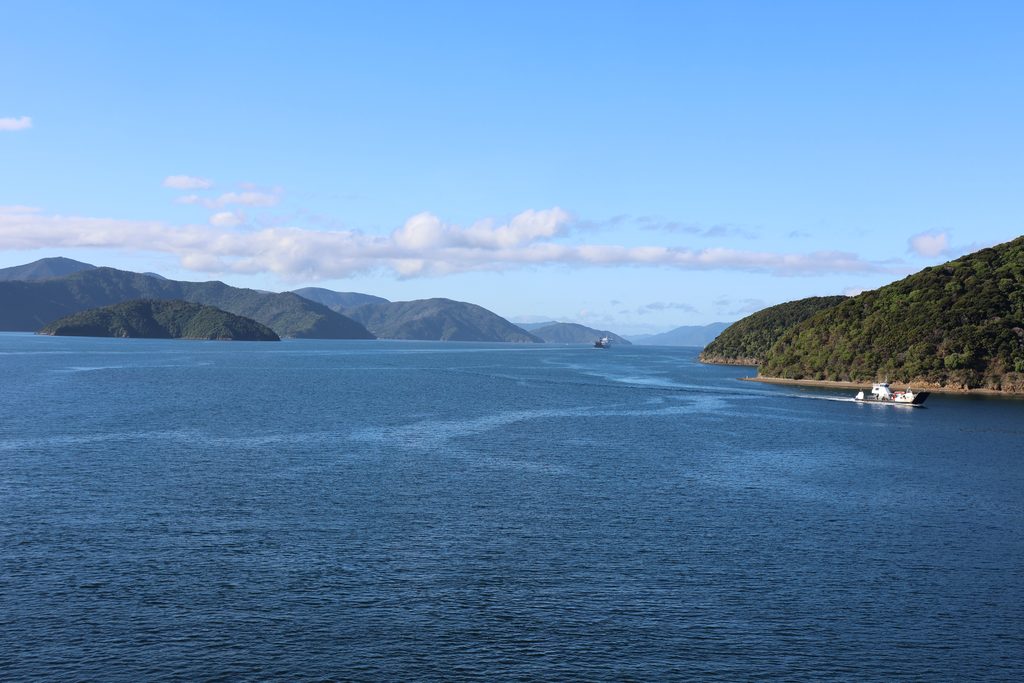
The ferry continues through Tory Channel, a relatively narrow waterway that eventually leads into the more exposed waters of Cook Strait. The contrast between the sheltered surroundings of the Marlborough Sounds and the open sea beyond is quite striking.
It is also worth keeping an eye out for wildlife along the way, as dolphins, fur seals and a variety of seabirds inhabit these waters. Sightings are never guaranteed, but they can certainly add another dimension to an already memorable journey.
Crossing Cook Strait – Is It Rough?
Cook Strait, named after the British explorer Captain James Cook, separates New Zealand’s two main islands and has something of a reputation for its challenging weather and sea conditions.
The combination of strong winds, powerful tidal currents and exposed ocean waters means that conditions can vary considerably from one day to the next. Whilst many crossings are perfectly comfortable, others can be rather lively, and occasionally severe weather results in delays or cancellations.
If you are susceptible to seasickness, it is worth speaking to a pharmacist before travelling about suitable medication. Sitting towards the centre of the ship, looking towards the horizon and avoiding heavy meals before departure may also help.
I would recommend keeping an eye on the weather forecast and checking for ferry service updates before setting off for the terminal, particularly if you have onward travel arrangements that are dependent on arriving in Wellington at a specific time.
Arriving in Wellington
As the ferry approaches the North Island, the entrance to Wellington Harbour provides another impressive stretch of scenery. The hills surrounding New Zealand’s capital gradually come into view, along with coastal communities, waterfront buildings and the increasingly urban landscape of the city itself.
Once the ferry has docked, passengers travelling with vehicles are directed back to the vehicle decks before disembarking and continuing their journeys.
Wellington is well worth spending some time exploring, with its lively café culture, attractive waterfront, famous cable car and excellent Museum of New Zealand Te Papa Tongarewa. Its location around a natural harbour, surrounded by steep green hills, makes it one of the country’s more attractive urban destinations.
My arrival in Wellington marked the beginning of a very different New Zealand adventure, taking me north towards Huka Falls, the geothermal landscapes of Rotorua, the fascinating glowworm caves of Waitomo and eventually Auckland.
You can follow the next stage of my journey in my article New Zealand – A North Island Road Trip.
My Tips for Crossing Cook Strait With a Campervan
- Book your ferry as soon as your campervan rental is confirmed.
- Compare prices between Interislander and Bluebridge.
- Check the exact length and height of your motorhome.
- Choose a daylight sailing to appreciate the scenery.
- Consider staying in Picton the night before departure.
- Arrive at the ferry terminal in plenty of time.
- Take your camera, refreshments and warm clothing into the passenger areas.
- Check weather conditions and ferry service updates.
- Avoid planning a lengthy drive immediately after arriving.
- Consider a flexible ticket if your itinerary is likely to change.
Is the Picton to Wellington Ferry Worth It?
Before visiting New Zealand, I had regarded the ferry crossing between the South and North Islands as little more than a logistical necessity. Looking back, it was actually one of the most enjoyable journeys of my entire road trip and a wonderful opportunity to appreciate a part of the country’s coastline that would otherwise have been difficult to experience.
The beauty of the Marlborough Sounds, the vast expanse of Cook Strait and the impressive approach into Wellington Harbour provided a memorable transition between two islands with very different landscapes and personalities.
For anyone planning to explore New Zealand by campervan, I would certainly recommend incorporating the crossing into your itinerary and allowing yourself the time to enjoy it. After all, in a country as spectacular as New Zealand, the journeys between destinations can often be every bit as rewarding as the destinations themselves.
More From My New Zealand Adventures
If you are planning your own New Zealand holiday, take a look at my other articles covering both islands, with suggested places to visit, wildlife encounters, sightseeing recommendations and personal experiences from my motorhome adventure.