✈ Start Here – Slovenia Guide
📍Map Of Slovenia
- Introduction To Slovenia
- Key Information For Slovenia
- Best Cities and Destinations in Slovenia
- Getting Around Slovenia
- Best Things to Do in Slovenia
- Best Time To Visit Slovenia
- Travel Tips for Slovenia
- Suggested Slovenia Itinerary
- Where to Stay in Slovenia
- Pre Bookable Excursions
- Slovenia – Through My Lens
- Frequently Asked Questions About Slovenia
- Final Thoughts
🧭Introduction To Slovenia
For many travellers from the UK, Slovenia remains one of Europe’s great unknowns. Often confused with Slovakia and overshadowed by neighbouring Croatia, this small Central European country has quietly remained under the radar despite offering some of the continent’s most spectacular scenery, outdoor adventures and charming cities. That lack of attention is slowly beginning to change and deservedly so.
Memories of Slovenia
Back in the late 1990s, Slovenia first appeared on my radar when the tour operator I worked for began selling Croatia and Slovenia twin centre holidays. At the time, direct flights from the UK were limited and most holiday companies focused almost entirely on Croatia’s beach resorts rather than Slovenia’s lakes, mountains and short but beautiful Adriatic coastline.
Like many people, I initially knew very little about the country aside from struggling to spell the capital city, Ljubljana, which after many years I think I have finally mastered. One quirky fact that always stayed with me is that the outline of Slovenia apparently resembles a chicken. Personally, I think it looks more like a rather well fed mother hen but once you see it, you cannot unsee it.
Over the following two decades, however, Slovenia became one of my favourite destinations in Europe. I have visited on business trips, enjoyed a New Year skiing holiday in Kranjska Gora, taken a city break in Ljubljana and explored the lakes and mountains on self drive adventures. I have even experienced white water rafting on the emerald rivers that cut through the Julian Alps. For such a small country, Slovenia delivers an astonishing variety of experiences.
A Small Country Packed With Variety
One of the things that makes Slovenia so special is how compact and easy it is to explore. In just a few hours you can travel from alpine mountain scenery and crystal clear lakes to vineyard covered hills and Mediterranean coastal towns. It is this diversity that often surprises first time visitors.
Lake Bled may be the country’s most famous image, with its fairy tale island church and dramatic mountain backdrop, but Slovenia offers far more than postcard scenery. The country is a paradise for outdoor enthusiasts with opportunities for hiking, skiing, rafting, canyoning, rock climbing, cycling and paddleboarding all readily available.
For adrenaline seekers, Slovenia is one of Europe’s best adventure travel destinations.
Yet Slovenia also has a gentler side. Ljubljana is one of Europe’s most charming and underrated capitals, filled with riverside cafés, elegant bridges and a wonderfully relaxed atmosphere. Along the Adriatic coast, towns such as Piran feel almost Venetian in character, while inland wine regions produce exceptional local food and wines that remain largely undiscovered internationally.
I often describe Slovenia as a mini Switzerland, only with a coastline and without the eye watering prices. The scenery is every bit as dramatic, yet the country feels more relaxed, more affordable and far less crowded than many of Europe’s better known destinations.
Slovenia’s Commitment to Sustainable Tourism
Another reason Slovenia stands out is its commitment to sustainability and green tourism. This is a country that genuinely values its natural environment. From protected national parks and eco friendly tourism initiatives to clean rivers and locally sourced cuisine, sustainability is woven naturally into everyday life.
Ljubljana itself was named Europe’s Green Capital and throughout the country you will notice a real pride in preserving nature and supporting local communities.
The Warm Hospitality of Slovenia
Slovenes are warm, welcoming and wonderfully quirky. Their humour, creativity and relaxed attitude often surprise visitors who expect a more reserved Central European culture. I still remember spending an evening in Bled with the local mayor who, rather than being formal and serious, spent the night singing songs, telling jokes and entertaining everyone in the bar.
If you are searching for a European country that combines adventure, nature, culture, sustainability and genuinely friendly people, Slovenia may just become your next favourite destination too.
🔑Key Information for Slovenia
| Continent: | Europe |
| Capital: | Ljubjana |
| Currency: | Euro |
| Language: | Slovenian |
| Visa: | Check official UK travel advice before travelling |
| Health: | Follow current travel vaccination guidance |
| Tourist Information: | Slovenia Tourist Board Website |
| Best Time To Visit Slovenia: | May to September |
| Flight Time from the UK: | 2.5 Hours |
🌆Best Cities and Destinations in Slovenia
Slovenia may be one of Europe’s smallest countries, but it packs an extraordinary variety of landscapes, cultures and experiences into a remarkably compact space. Snow capped mountains, emerald rivers, Venetian style coastlines and storybook towns sit just a few hours apart, making Slovenia perfect for travellers who want variety without long journeys.
For visitors arriving from the UK, Slovenia often feels refreshingly undiscovered compared with neighbouring Italy, Croatia and Austria. Yet its charming cities, lakeside retreats and alpine villages easily rival some of Europe’s better known destinations.
Whether you are planning a road trip, a luxury escape, an outdoor adventure or a cultural city break, these are the best towns and cities to include in your Slovenia itinerary.
Ljubljana
No visit to Slovenia is complete without time in Ljubljana, one of Europe’s most underrated capitals. Compact, walkable and effortlessly photogenic, the city blends baroque architecture, riverside cafés and a youthful energy thanks to its large student population.
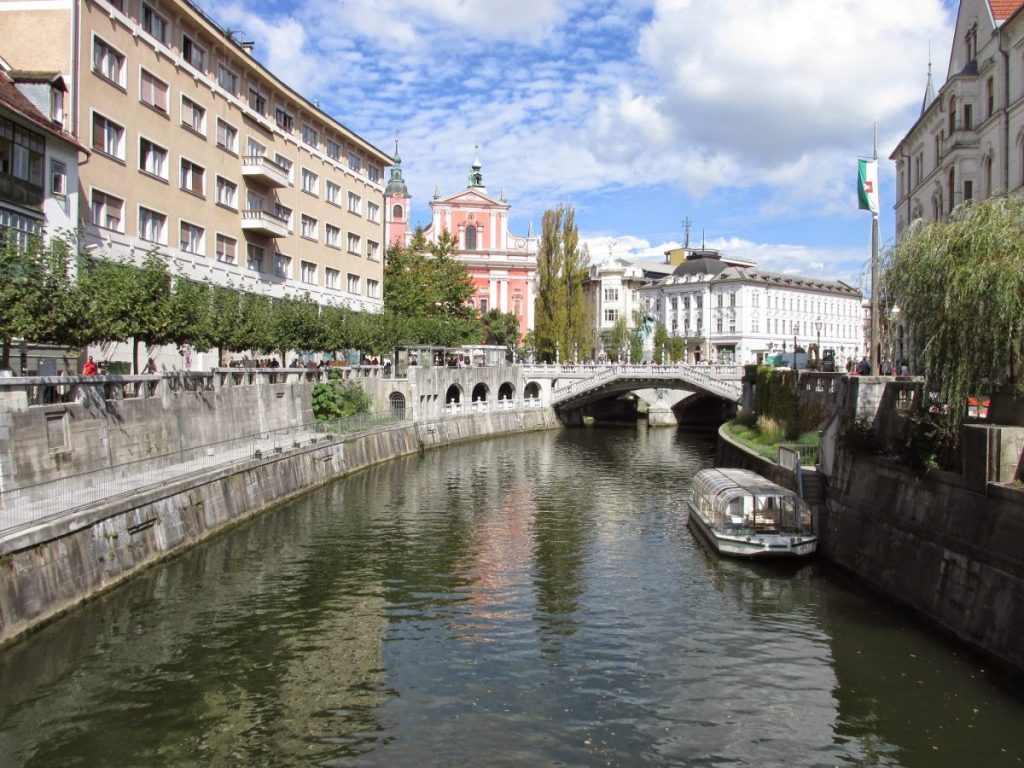
The Ljubljanica River flows through the heart of the city, lined with elegant bridges, outdoor restaurants and bustling markets. The iconic Dragon Bridge and Triple Bridge are among the city’s best known landmarks, while Ljubljana Castle offers panoramic views across the rooftops and distant Alps.
Unlike many European capitals, Ljubljana never feels overwhelming. Cars are largely restricted from the historic centre, giving the city a relaxed atmosphere that encourages slow exploration.
Ljubljana also makes an excellent base for day trips to Lake Bled, Postojna Cave and the Julian Alps.
Lake Bled
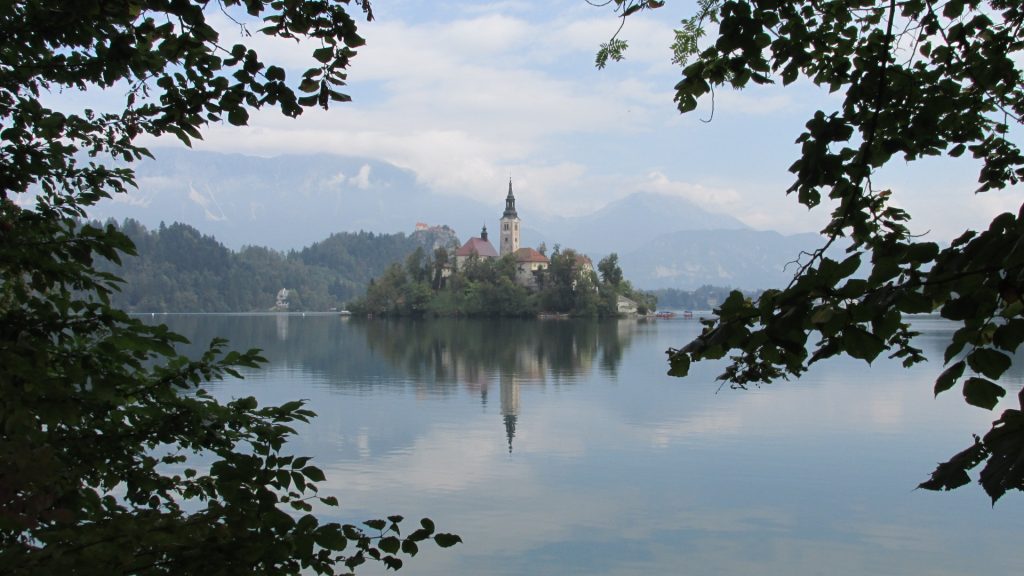
Although technically more of a lakeside resort town than a city, Lake Bled is Slovenia’s postcard destination and deservedly so. The emerald lake, tiny island church and clifftop castle create one of the most recognisable scenes in Europe.
Visitors can walk the entire lake in around 90 minutes, hire a traditional wooden pletna boat to reach Bled Island or hike to viewpoints such as Mala Osojnica for spectacular photographs.
Bled Castle, perched high above the lake, provides some of Slovenia’s finest panoramic views, while the famous Bled cream cake remains a must try local delicacy.
Despite its popularity, Lake Bled still manages to feel peaceful, particularly during early mornings and outside peak summer months.
Piran
On Slovenia’s tiny Adriatic coastline, Piran offers a completely different side of the country. With narrow alleyways, Venetian architecture and seafood restaurants overlooking the sea, the town feels more Italian than Central European.
Tartini Square forms the heart of Piran, surrounded by pastel coloured buildings and lively cafés. Climb the bell tower of St George’s Church for sweeping coastal views, then wander through the maze of medieval streets where laundry hangs between ancient stone houses.
Piran is especially magical at sunset when the Adriatic glows golden and diners spill onto waterfront terraces.
Piran also works beautifully as part of a wider Adriatic itinerary including Trieste or Croatia’s Istrian Peninsula.
Maribor
Slovenia’s second largest city often gets overshadowed by Ljubljana, yet Maribor rewards visitors with wine culture, riverside charm and a more local atmosphere.
Situated near the Austrian border, Maribor is famous for housing the world’s oldest grapevine, believed to be over 400 years old. The surrounding Styria region is one of Slovenia’s premier wine producing areas, making the city ideal for vineyard tours and wine tasting.
The Lent district along the Drava River offers cafés, restaurants and a relaxed atmosphere, particularly during summer festivals.
Maribor is also an excellent gateway to Slovenia’s eastern wine regions and ski resorts.
Kranjska Gora
For alpine scenery and outdoor adventure, Kranjska Gora is one of Slovenia’s finest mountain towns. Located close to the borders with Italy and Austria, it serves as a gateway to Triglav National Park and the Julian Alps.
In winter, Kranjska Gora transforms into a popular ski resort, while summer brings hiking, cycling and crystal clear mountain lakes.
Nearby attractions include Lake Jasna, the dramatic Vršič Pass and the Zelenci Nature Reserve, famous for its vivid green pools.
The scenery around Kranjska Gora rivals the Alps of Switzerland and Austria, often without the same crowds or prices.
Ptuj
Often overlooked by international tourists, Ptuj is Slovenia’s oldest recorded town and one of its most atmospheric. Situated beside the Drava River, Ptuj combines medieval streets, a hilltop castle and centuries of history.
The town is particularly famous for Kurentovanje, Slovenia’s largest carnival festival, where traditional masked figures known as Kurents parade through the streets.
Beyond its festivals, Ptuj offers wine cellars, thermal spas and beautifully preserved architecture.
Ptuj is ideal for travellers seeking a quieter and more authentic side of Slovenia.
Koper
Slovenia’s largest coastal town blends history with a more modern Adriatic atmosphere. Koper’s old town features Venetian influences, elegant piazzas and historic palaces, while its port brings a livelier urban energy.
Titov Trg, the city’s central square, is surrounded by impressive architecture including the Praetorian Palace and Cathedral of the Assumption.
Koper also provides easy access to nearby beaches, vineyards and coastal cycling routes.
For travellers wanting a coastal base with more amenities than Piran, Koper is an excellent choice.
Celje
Steeped in history yet often bypassed by tourists, Celje offers castles, riverside scenery and a fascinating medieval past.
The mighty Celje Castle dominates the landscape and tells the story of the Counts of Celje, once one of the most powerful noble families in the region.
The compact old town contains charming squares, cafés and museums without the crowds found elsewhere.
🚗Getting Around Slovenia
Flights
Adria Airways, the country’s national carrier, British Airways, and a host of low-cost airlines including Wizzair, Easyjet and Ryanair all have various services from the UK to Ljubljana.
Many visitors to Slovenia also fly into Graz in Austria for Eastern Slovenia, Maribor or to Klagenfurt in Austria for Bled, Bohinj and Kranjska Gora or Pula in Croatia or Trieste in Italy for the coast.
If the direct services to Slovenia from the UK don’t work for you then with a little research into the geography of the region you may find some useful alternatives.
Car Hire
I would recommend hiring a car in Slovenia as driving is easy, the roads are not that busy once you are out of Ljubljana and once behind the wheel, you will have the freedom to visit off-the-beaten-path places which ultimately will save you money.
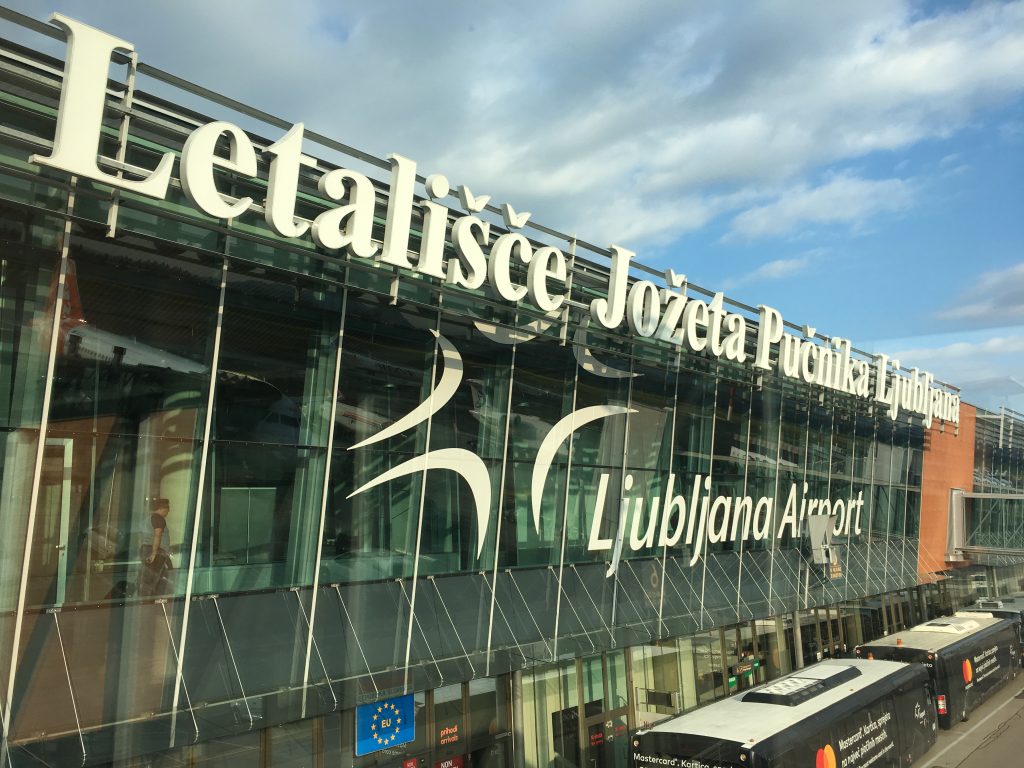
The easiest place to hire a car is at Ljubljana airport. Here you will find all the major companies, like Avis, Hertz, Europcar, Enterprise or Sixt. The rent-a-car building, where all the car rental offices are, is across the street from the arrivals terminal.
You can also rent a car in Ljubljana or other smaller cities, like Bled, if that’s the start journey of your trip. Some companies do provide a pickup and collection service some at cost.
You need to be at least 18, have a driving license for at least 2 years and have a credit card with you. You will be asked for your passport as well when you pick up the car, and it needs to match your driving license.
Hiring a sat nav will cost you another £8-10 per day. Do you need it – well I didn’t however if you are travelling alone it is probably a good idea as looking at a map while driving is not recommended!
If you are driving up into the mountains and perhaps doing my recommended road trip along the Sava River to the Vrsic Pass then I would get an automatic as the mountain bends are tiring.
Ferries
The most popular ferry in Slovenia is the one used by locals and hordes of tourists from Piran to Venice for a day trip. The Venezia line ship takes about 310 passengers with the crossing 3 hours and costs about 70-75 euros per adult and a 50% reduction for children.
There is the option of a VIP ticket which provides the VIP Salon – an exclusive area on the top deck of the boat seating a maximum of 30 people. It has leather seats and lounge-style seating plus a higher view from the elevated position. Guests travelling in the VIP Salon will depart the boat first plus are offered a free welcome drink.
Taxis
Taxis are a good way of getting around although I much prefer my car. A word of warning though in the major tourist areas such as Bled or Ljubljana, it is always best to get an upfront price. A journey from Ljubljana airport should cost approximately 40 Euros to Bled.
In the more remote mountainous or smaller towns taxis are limited and can be expensive. My advice is to plan so you don’t need one or have your car.
Trains
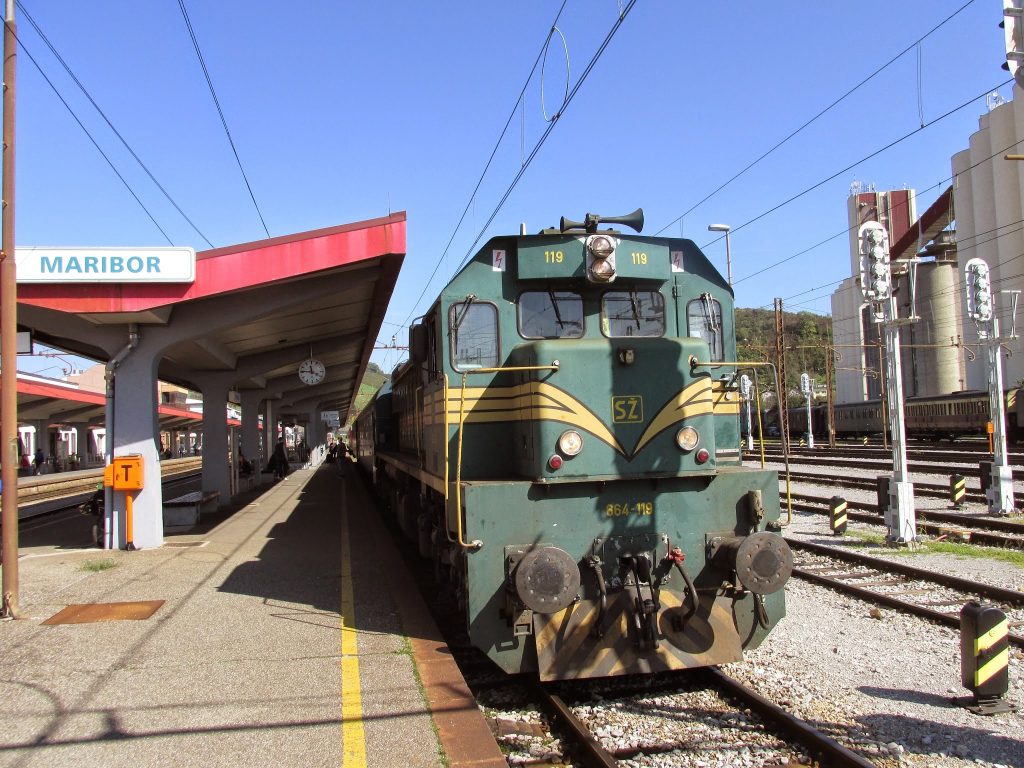
I love Ljubljana railway station and seem to have spent quite a lot of time there over the years. It is a short ten-minute walk from there into Ljubljana centre. The capital has direct train services to all the major neighbouring European cities and a few more besides. Here is a little guide as to what is available. I took the train to Budapest a few years back and thoroughly enjoyed the experience.
You may want to consider an Interrail Slovenia Rail pass or an Interrail Global pass with access to 33 countries – it just depends on how much you plan to use them.
✔Best Things To Do In Slovenia
Explore the Charming Capital of Ljubljana
Discover the enchanting city of Ljubljana, one of Europe’s most underrated capitals. Wander through the charming old town, visit the iconic Ljubljana Castle and enjoy the lively riverside cafés that line the Ljubljanica River.
Discover the Beauty of Lake Bled
No trip to Slovenia is complete without visiting Lake Bled. Famous for its island church, medieval castle and stunning alpine scenery, the lake is ideal for hiking, cycling, boating and lakeside relaxation.
Visit the Spectacular Lake Bohinj
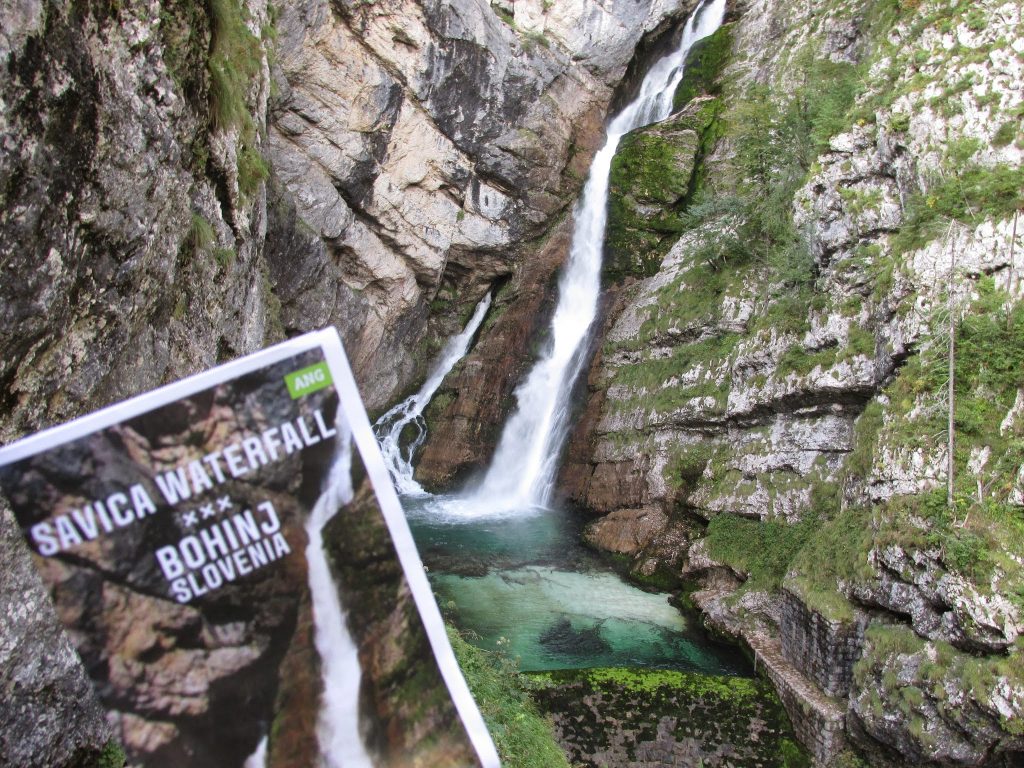
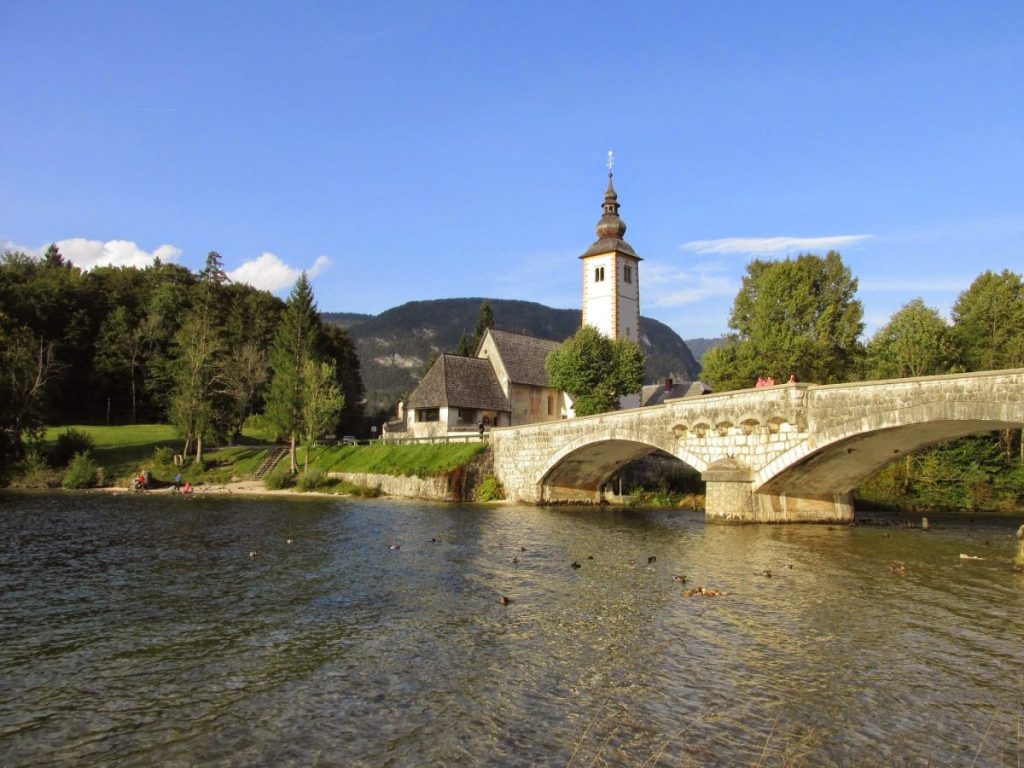
For outdoor adventures and fewer crowds, head to Lake Bohinj. Surrounded by the Julian Alps, it is perfect for walking, hiking, paddleboarding, skiing and nature lovers seeking a quieter side of Slovenia.
Explore Slovenia’s Incredible Cave Systems
Slovenia is home to some of Europe’s most impressive caves. Visit Postojna Cave to explore one of the world’s longest cave systems filled with dramatic stalactites and underground chambers.
Another must visit is Škocjan Caves, a UNESCO World Heritage Site famous for its enormous underground canyons and rivers.
Drive Through the Julian Alps and Triglav National Park
A road trip through the Triglav National Park and the Julian Alps offers some of the most breathtaking scenery in Europe. Expect dramatic mountain passes, waterfalls, alpine villages and panoramic viewpoints around every corner.
Experience Adventure Sports on the Soča River
The emerald waters of the Soča River are a paradise for adrenaline seekers. White water rafting, kayaking and canyoning are among the most popular activities in this spectacular region.
Wander Through the Medieval Streets of Škofja Loka
Step back in time in Škofja Loka, one of Slovenia’s prettiest medieval towns. Its colourful houses, cobbled streets and hilltop castle create an almost fairy tale atmosphere.
Visit Slovenia’s Adriatic Coast in Piran
Explore the coastal beauty of Piran, a charming Adriatic town known for Venetian architecture, narrow alleyways and seafood restaurants overlooking the sea.
Discover Slovenia’s Oldest Town, Ptuj
History lovers should visit Ptuj, Slovenia’s oldest recorded town. Explore its castle, Roman history, medieval streets and famous carnival traditions.
Hike Mount Triglav
For experienced hikers, climbing Mount Triglav is one of Slovenia’s ultimate adventures. As the country’s highest peak, it offers spectacular views across the Julian Alps.
Relax in Slovenia’s Thermal Spa Resorts
Slovenia is well known for its wellness tourism and thermal spas. Resorts such as Terme Olimia and Terme Čatež are ideal for relaxation and rejuvenation.
Explore Slovenia’s Wine Regions
Wine lovers should discover regions such as Vipava Valley and Goriška Brda, both known for scenic vineyards, local cuisine and excellent Slovenian wines.
Visit the Remarkable Predjama Castle
Built dramatically into a cave entrance, Predjama Castle is one of Europe’s most unique castles and is surrounded by fascinating legends and history.
Ride Across the Historic Solkan Bridge
Take in panoramic views of the Soča Valley from Solkan Bridge, the world’s longest stone arch railway bridge.
Discover Slovenian Culture and Traditions
Visit the National Museum of Slovenia to learn more about the country’s rich cultural heritage, archaeology and traditions.
The Škofja Loka region is also known for traditional crafts including woodcarving, lace making and beekeeping.
Explore Slovenia by Bicycle
Cycling is one of the best ways to experience Slovenia’s countryside. Scenic routes pass through vineyards, alpine valleys, orchards and picturesque villages.
Experience Winter Sports in Slovenia
During winter, Slovenia transforms into a snowy alpine destination. Resorts such as Kranjska Gora, Vogel and Mariborsko Pohorje offer skiing, snowboarding and snowshoeing opportunities.
Attend Slovenia’s Festivals and Events
Slovenia hosts a wide range of cultural events throughout the year, including the Ljubljana Jazz Festival, the Maribor Festival and the colourful Kurentovanje carnival.
🌞Best Time To Visit Slovenia
One of Slovenia’s greatest strengths as a travel destination is that it truly works as a year round country. From alpine ski resorts and emerald rivers to Adriatic coastal towns and vibrant cities, every season offers something completely different.
The best time to visit Slovenia largely depends on what type of trip you are planning. Summer is ideal for lakes and outdoor adventure, winter transforms the mountains into a snowy playground, while spring and autumn provide fewer crowds and beautiful scenery.
Here is a guide to Slovenia’s weather throughout the year and when to visit for the best experience.
Spring in Slovenia (March to May)
Spring is one of the most underrated times to visit Slovenia. As the snow begins melting in the Julian Alps, rivers swell with vivid turquoise water and the countryside bursts into colour.
Temperatures gradually warm from around 10°C in March to 20°C by late May, especially in Ljubljana and western Slovenia. Alpine areas remain cooler, particularly during evenings.
Spring also tends to bring lower accommodation prices compared with peak summer months.
The only downside is that mountain weather can still be unpredictable early in the season, with some higher routes such as the Vršič Pass occasionally affected by lingering snow.
Summer in Slovenia (June to August)
Summer is the most popular time to visit Slovenia and for good reason. Days are long, temperatures are warm and nearly every outdoor activity is available.
In Ljubljana and the lakes region, daytime temperatures typically range between 25°C and 30°C, while the Adriatic coast around Piran and Portorož can feel even hotter.
The mountain scenery is spectacular during summer, with alpine meadows in bloom and crystal clear lakes reflecting the peaks.
However, July and August are also the busiest months, especially around Lake Bled and the coast. Booking accommodation early is strongly recommended.
Afternoon thunderstorms can occasionally develop in mountainous areas, particularly during hotter periods.
Autumn in Slovenia (September to November)
For many travellers, autumn may actually be the best overall time to visit Slovenia.
September often still feels like summer, with warm temperatures, sunny days and fewer tourists. By October, forests across the Julian Alps turn shades of gold, orange and red, creating some of the country’s most beautiful scenery.
Autumn also brings harvest festivals and excellent local food experiences throughout rural Slovenia.
By late November, higher mountain regions may begin seeing snowfall again.
Winter in Slovenia (December to February)
Winter transforms Slovenia into a completely different destination. Snow covers the Julian Alps, Christmas markets fill the cities and ski resorts come alive.
Temperatures in Ljubljana often sit between 0°C and 5°C, while alpine areas such as Kranjska Gora regularly fall below freezing.
Kranjska Gora becomes one of Slovenia’s top winter destinations, while Lake Bled often looks magical surrounded by snow and mist.
Ljubljana is especially atmospheric during December, when festive lights and riverside markets create one of Central Europe’s most charming Christmas city breaks.
Travellers should be aware that some mountain roads and hiking routes may close during heavy snowfall.

💡Travel Tips For Slovenia
Hire a Car if You Want to See the Best of Slovenia
While public transport works well between major towns and cities, the best way to explore Slovenia is by car. The country is compact, roads are excellent and driving distances are surprisingly short.
A self drive itinerary allows you to experience mountain passes, lakes, wine regions and coastal towns at your own pace.
Buy a Motorway Vignette
If driving in Slovenia, you will need a vignette for using motorways. These are available digitally and must be purchased before using toll roads.
Failure to buy one can result in hefty fines.
Do Not Underestimate Mountain Roads
Routes through the Julian Alps and the Vršič Pass are stunning but can be challenging with steep climbs, hairpin bends and changing weather conditions.
Drive slowly, especially in wet or snowy weather, and allow extra travel time for scenic stops.
Pack for Changing Weather
Slovenia’s weather can vary dramatically depending on altitude and region. Even during summer, mountain areas can become cool quickly, particularly in the evenings.
Layers, waterproofs and comfortable walking shoes are strongly recommended.
Cash Is Still Useful in Rural Areas
Cards are widely accepted in cities and tourist areas, but some smaller villages, mountain huts and local markets still prefer cash.
Carrying some Euros is always a good idea.
Try Traditional Slovenian Food and Wine
Slovenian cuisine is heavily influenced by Italy, Austria and the Balkans, creating an excellent food scene.
Look out for:
- Štruklji
- Potica cake
- Kranjska sausage
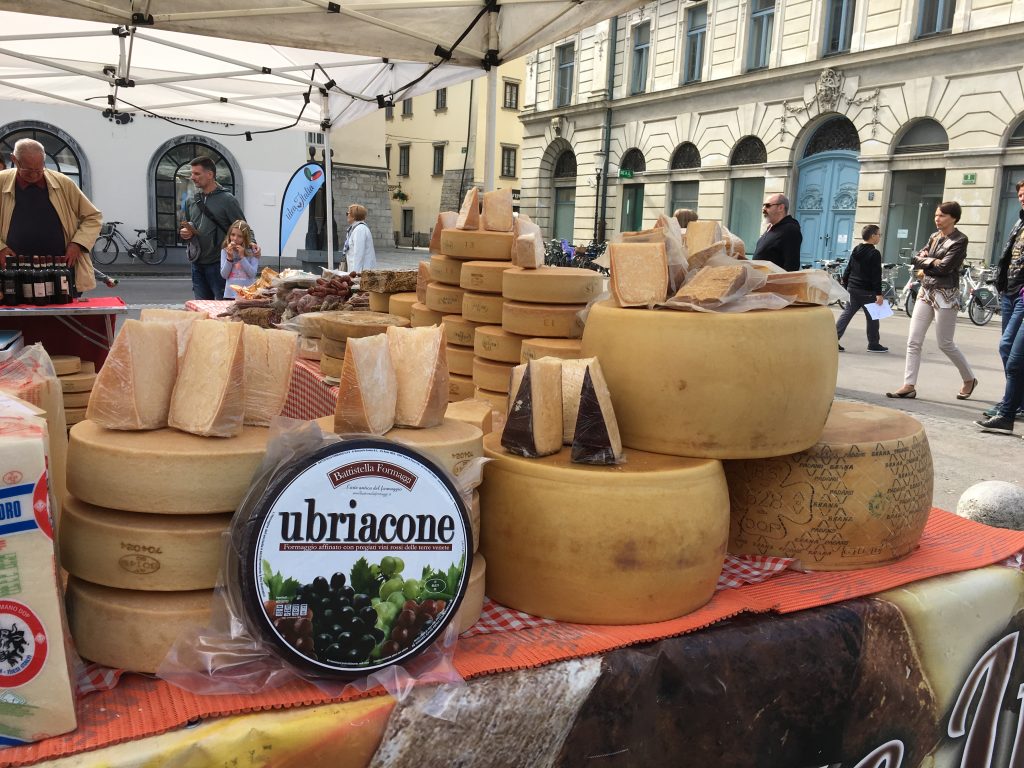
- Local cheeses and cured meats
- Fresh Adriatic seafood
- Slovenian wines from regions such as Vipava Valley and Goriška Brda
Respect Nature and Sustainability
Slovenia takes sustainability seriously and visitors are encouraged to do the same.
Stick to marked trails, avoid littering and support local businesses where possible. Many natural areas are protected and incredibly well preserved.
Visit Beyond the Famous Highlights
While Lake Bled and Ljubljana are beautiful, some of Slovenia’s best experiences are found in lesser known areas such as the Soča Valley, Ptuj, Kobarid and the wine regions.
📅Suggested Slovenia Itinerary
One of the greatest things about Slovenia is how easy it is to explore. In just a few hours you can drive from alpine mountain passes and emerald rivers to elegant cities and Adriatic coastal towns. If arriving from Italy, this route is one of the most scenic ways to experience the country before continuing south towards Croatia and Montenegro.
This itinerary is one that I loved so much that I have done it twice. It follows an unforgettable journey through western Slovenia, winding through the spectacular Soča Valley, the Julian Alps, idyllic lakes and historic coastal towns.
Day 1 – Enter Slovenia via Nova Gorica and Drive to Kanal
Cross into Slovenia from Italy near Nova Gorica and pick up Route 103, a wonderfully scenic road that follows the Soča River valley.
Your first stop is the charming town of Kanal, best known for its beautiful Kontrada Square, lined with historic Gothic style houses overlooking the river gorge. It is a peaceful introduction to Slovenia and a lovely place to stop for coffee beside the turquoise water.
Spend some time wandering the old streets before continuing deeper into the Soča Valley.
Day 2 – Tolmin and Kobarid
At Tolmin, leave Route 103 and pick up Route 102 towards Kobarid.
Kobarid is one of Slovenia’s prettiest villages, surrounded by dramatic mountain scenery and famous for both its history and cuisine. The area played a major role during the First World War and visitors can explore museums and historic trails linked to the Isonzo Front.
The village itself is compact and full of character, with riverside walks and mountain views in every direction.
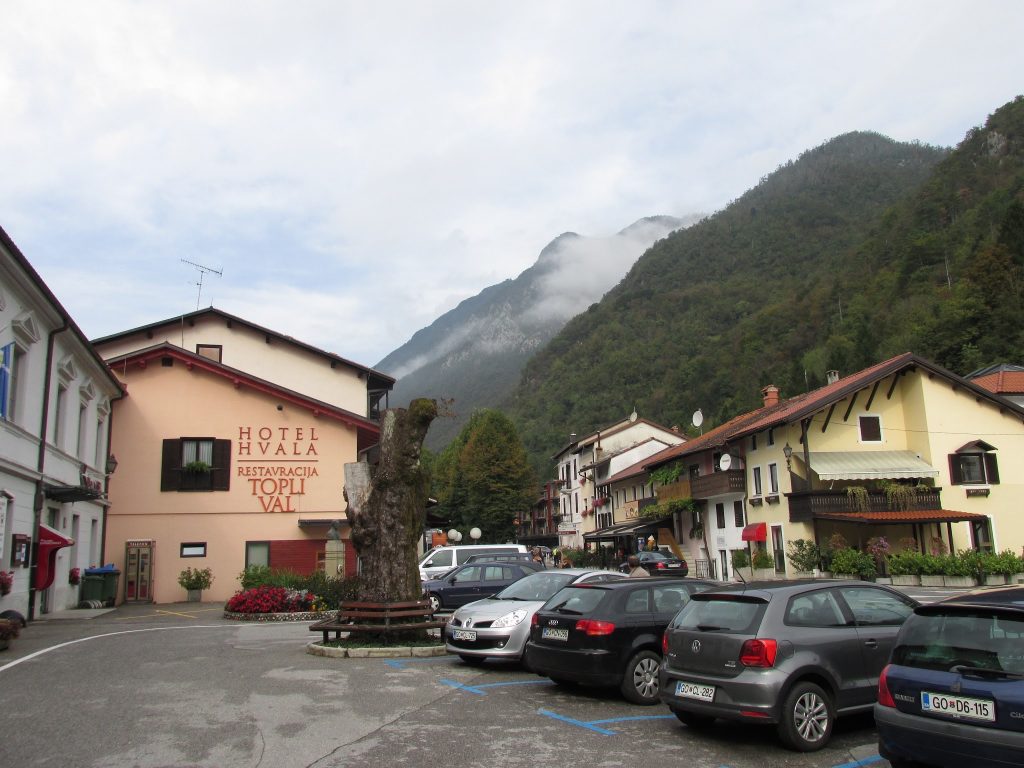
If you stop overnight here, the restaurant at Hotel Hvala and Restaurant Topli Val is highly recommended and remains one of the standout dining experiences in the region.
Day 3 – Kobarid to Bovec
From Kobarid, pick up Route 203 and continue north to Bovec.
This lively alpine town is Slovenia’s adventure capital and a paradise for outdoor enthusiasts. The emerald green Soča River draws visitors from across Europe for white water rafting, kayaking and canyoning, while the surrounding mountains provide exceptional hiking opportunities.
Even if adrenaline sports are not your thing, Bovec is worth visiting simply for the scenery. The colour of the Soča River is almost surreal and the mountain backdrop feels unmistakably alpine.
Spend the night here and enjoy the relaxed outdoor atmosphere.
Day 4 – The Vršič Pass to Kranjska Gora
Leave Bovec via Route 206 and prepare for one of the most spectacular drives in Europe.
The Vršič Pass winds high into Triglav National Park through hairpin bends, mountain forests and dramatic alpine scenery. Along the way you will pass traditional mountain huts, panoramic viewpoints and peaceful valleys that feel almost untouched.
This route is not about rushing. Stop often, take photographs and enjoy the scenery.
Eventually the road descends into Kranjska Gora, a lovely alpine town best known as a ski resort but equally attractive during summer months. Surrounded by mountains and lakes, it is an ideal base for hiking, cycling and relaxing in nature.
Day 5 – Lake Bohinj
From Kranjska Gora, continue towards Lake Bohinj, one of Slovenia’s most idyllic natural destinations.
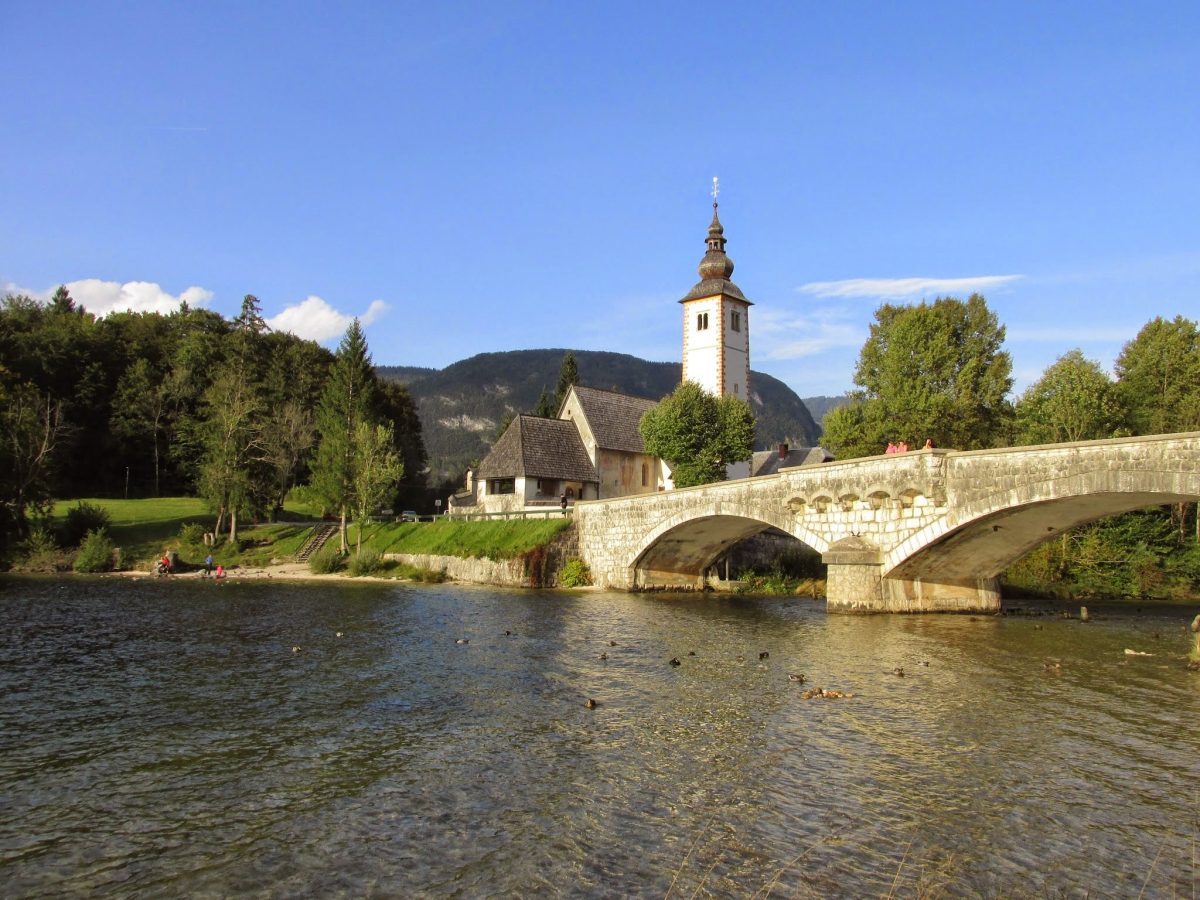
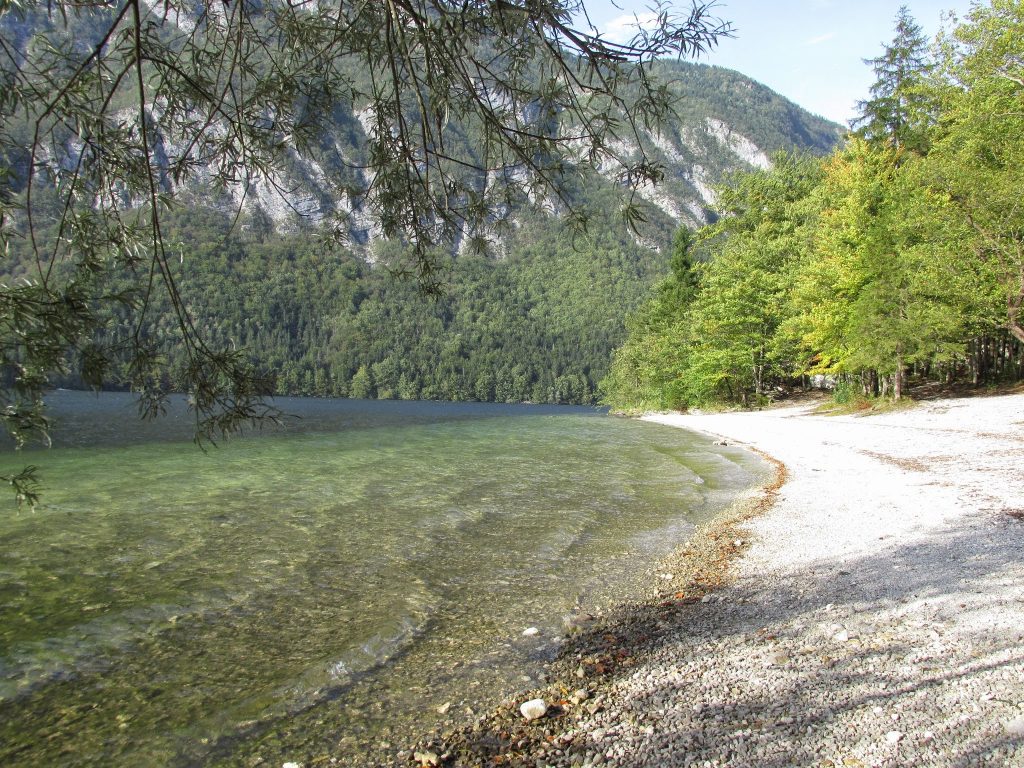
Less crowded than nearby Lake Bled, Bohinj is perfect for travellers seeking outdoor adventure and peaceful scenery. The huge lake is surrounded by mountains and forests, creating a picture perfect setting for paddleboarding, kayaking, swimming and hiking.
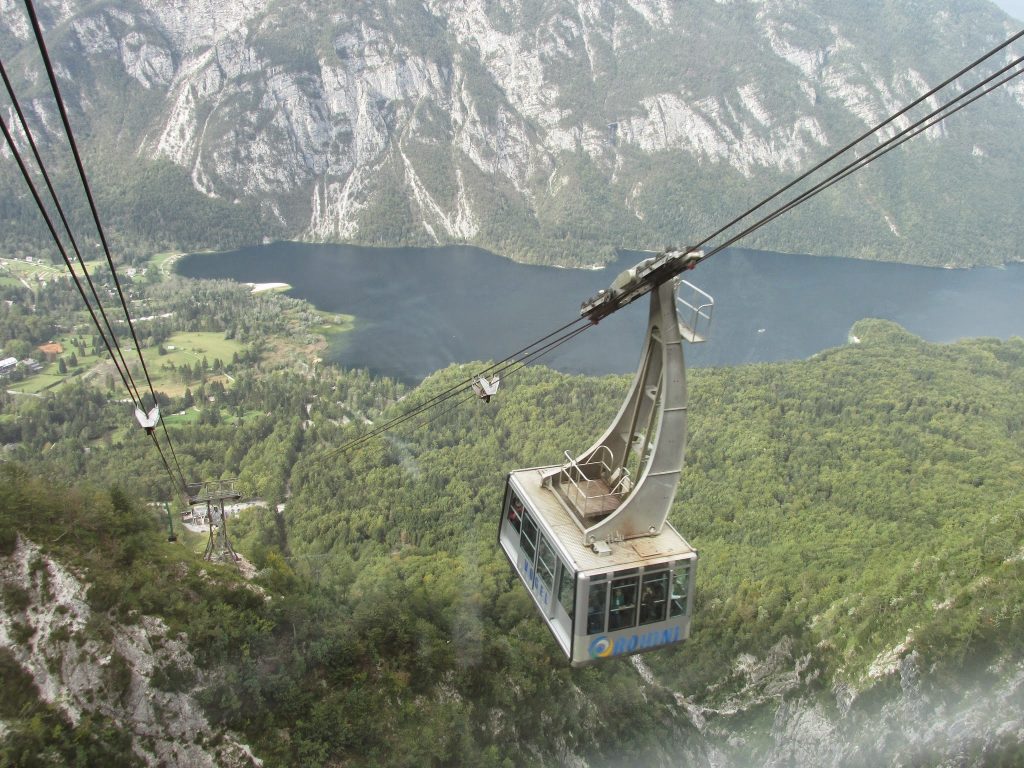
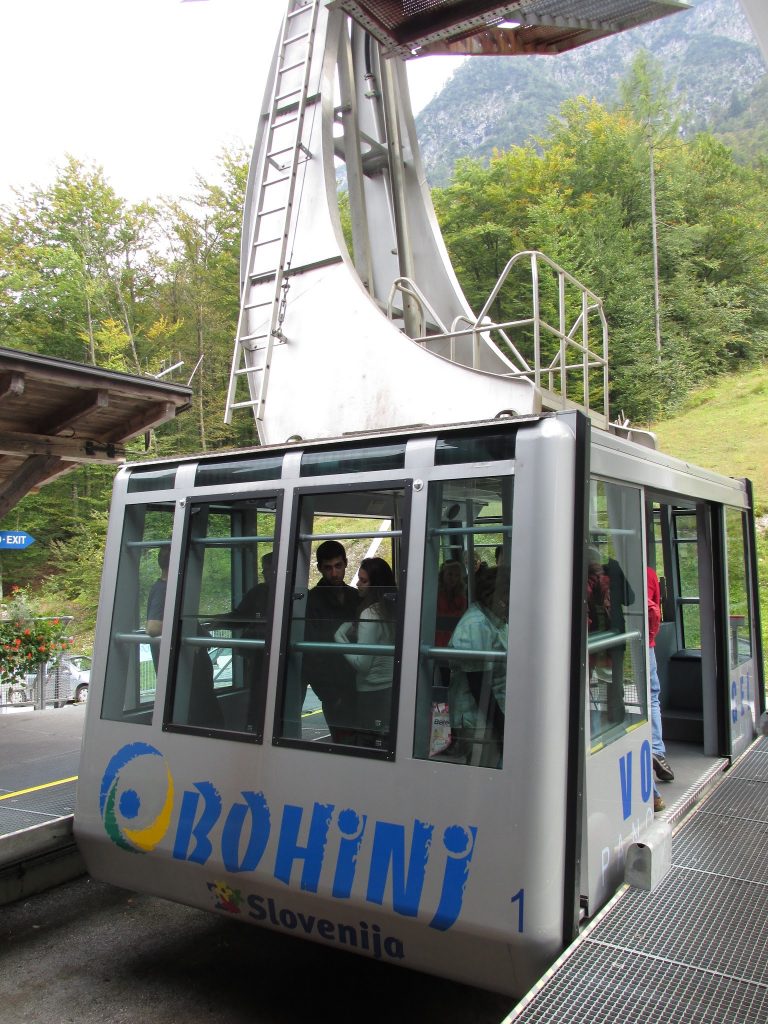
One of the highlights here is taking the cable car up Mount Vogel, where spectacular views stretch across Triglav National Park. There are excellent hiking trails at the top and the scenery is breathtaking in every direction.
Stay overnight if possible to fully appreciate the tranquillity of the area.
Day 6 – Lake Bled
A short drive from Bohinj brings you to Slovenia’s most famous destination, Lake Bled.
The emerald lake, tiny island church and clifftop castle create one of Europe’s most recognisable landscapes. While undeniably popular, Bled still feels magical, particularly during the early morning or evening.
Walk the lakeside path, hire a rowing boat to reach the island church or climb to one of the viewpoints overlooking the lake. Bled is also an excellent place for camping and outdoor stays.
Do not leave without trying the famous Bled cream cake.
Day 7 and 8 – Ljubljana
Continue south east to Ljubljana, one of Europe’s most underrated capitals.
Compact, stylish and wonderfully relaxed, Ljubljana is centred around the Ljubljanica River with cafés, markets and pedestrian friendly streets creating an atmosphere that feels far more intimate than most European capitals.
Spend at least two days here exploring the old town, crossing the famous Dragon Bridge and visiting Ljubljana Castle for panoramic views across the city.
Ljubljana is small enough to explore easily on foot yet vibrant enough to keep you entertained for days.
Day 9 – Postojna Cave and Lipica
Leaving Ljubljana, head south west towards Postojna Cave, one of Slovenia’s most famous natural attractions.
The enormous cave system features underground chambers, tunnels and rock formations explored partly by electric train. It is an extraordinary experience unless you happen to be claustrophobic.
Nearby lies Lipica, one of the original homes of the world famous Lipizzaner white horses. The elegant stud farm and surrounding countryside make for a peaceful contrast after the caves.
Day 10 – Koper, Piran and Portorož
Continue to Slovenia’s short but beautiful Adriatic coastline.
Koper combines history and maritime atmosphere, with Gothic, Renaissance and Baroque architecture dating back centuries. Wander through its old squares before continuing south.
Piran is arguably Slovenia’s prettiest coastal town. Venetian style architecture, narrow alleyways and seafood restaurants overlooking the Adriatic give it an almost Italian feel. Sunset here is particularly beautiful.
Just along the coast lies Portorož. While it may not have the same charm as Piran, many travellers still stop here for its beaches, hotels and resort atmosphere before continuing south towards Croatia and Montenegro.
Why I love this Slovenia road trip
You can read more about this Slovenia road trip which perfectly showcases the country’s extraordinary diversity. In just 10 days you can experience emerald rivers, alpine mountain passes, peaceful lakes, vibrant cities and Adriatic coastal towns, all without spending endless hours driving.
For travellers arriving from Italy and heading south towards the Balkans, few road trips in Europe offer so much scenery and variety packed into such a compact route.
🏨Where to Stay in Slovenia
You will find accommodation to suit every budget and every taste.
If you want indulgence and luxury then there is a choice of excellent hotels along with standard 2 and 3-star options which represent good value for money, One thing you can be sure of is excellent food as Slovenes take great pride in what they serve up on your dinner table!
For a more authentic experience where you can mix with the locals then guesthouses, pensions or private rooms are a good choice. While there is certainly no shortage of accommodation, Slovenia is the perfect destination for a camping or RV-ing adventure. Here, you’ll find plenty of high-quality campground options, both in the valleys and mountains and these cater for the hikers, walkers and many cyclists that enjoy the country’s natural assets.
Among the themed accommodations, the natural health resorts and thermal spas tend to be more popular with Europeans as opposed to those travelling from the UK.
For all those who want to save when travelling, but also value comfort and orderliness, hostels are another option and are intended for all age groups as well as families. Many hostels offer the same comfort as hotels but often with no restaurant.
Some more obscure options are a stay in a castle, a mountain refuge or you can even rent a vineyard cottage.
🎒 Pre Bookable Excursions
📸 Slovenia Through My Lens


❓Frequently Asked Questions about Slovenia
Is Slovenia environmentally friendly?
Yes, Slovenia is widely regarded as one of Europe’s greenest and most environmentally conscious destinations. The country has placed a huge emphasis on sustainability, eco tourism and preserving its natural landscapes.
Ljubljana was named Europe’s Green Capital and is known for its pedestrian friendly centre, extensive cycling routes and environmentally focused policies. Across the country you will also find:
- Clean rivers and protected national parks
- Sustainable tourism initiatives
- Farm to table dining
- Eco friendly accommodation options
- Excellent hiking and cycling infrastructure
Much of Slovenia’s appeal comes from its untouched natural scenery, and the country works hard to protect it.
Triglav National Park, the Soča Valley and Lake Bohinj are particularly well known for responsible tourism and conservation efforts.
Is Slovenia a good destination for outdoor activities?
Absolutely. Slovenia is one of Europe’s top adventure destinations despite its small size.
Popular activities include:
- Hiking in the Julian Alps
- White water rafting on the Soča River
- Paddleboarding on Lake Bohinj
- Skiing in Kranjska Gora
- Cycling through wine regions and mountain passes
- Caving at Postojna and Škocjan
The country’s compact geography means you can often combine mountains, lakes and coastal experiences in a single trip.
What is Slovenian food like?
Slovenian cuisine is heavily influenced by neighbouring Italy, Austria, Hungary and the Balkans, creating a wonderfully varied food scene.
Expect hearty mountain dishes in alpine regions, Mediterranean seafood along the coast and excellent wines in the east.
Traditional foods include:
- Kranjska klobasa – a famous Slovenian sausage
- Štruklji – rolled dumplings with sweet or savoury fillings
- Potica – a traditional nut roll cake
- Fresh Adriatic seafood
- Goulash style stews and alpine comfort food
Slovenia is also increasingly known for its modern fine dining scene and several restaurants have gained international recognition.
Is Slovenia good for wine?
Yes, Slovenian Wine is one of Europe’s hidden wine gems.
The country has three main wine regions and produces excellent white wines, particularly around Maribor, Ptuj and the Styria region.
Popular Slovenian wines include:
- Rebula
- Malvazija
- Sauvignon Blanc
- Pinot varieties
- Orange wines
Many vineyards are family run and offer tastings in beautiful countryside settings.
Is Slovenia expensive?
Slovenia is generally more affordable than many Western European destinations, although prices have risen in popular areas such as Lake Bled and Ljubljana.
Compared with the UK, travellers often find:
- Accommodation reasonably priced outside peak season
- Excellent value local wine
- Affordable public transport
- Restaurant prices cheaper than Italy or Austria in many areas
Luxury hotels and fine dining certainly exist, but Slovenia still offers strong value overall.
How many days do you need in Slovenia?
A week is enough to experience many of Slovenia’s highlights including Ljubljana, Lake Bled, the Soča Valley and the Adriatic coast.
However, 10 to 14 days allows for a much more relaxed road trip including:
- Triglav National Park
- Wine regions
- Alpine towns
- Coastal resorts
- Caves and castles
Because distances are short, it is easy to cover a lot without spending hours driving.
Is Slovenia suitable for a road trip?
Slovenia is arguably one of Europe’s best road trip destinations.
Roads are excellent, scenery changes dramatically within short distances and driving times are manageable. In a single day you can drive from alpine mountains to the Adriatic coast.
The Vršič Pass, Soča Valley and roads through Triglav National Park are particularly scenic.
Is English widely spoken in Slovenia?
Yes, English is spoken very well throughout much of Slovenia, particularly in tourist areas, hotels, restaurants and among younger people.
Visitors from the UK generally find travelling around Slovenia very easy.
What currency does Slovenia use?
Slovenia uses the Euro, making it convenient for travellers already visiting other European countries.
Card payments are widely accepted, although carrying some cash can still be useful in smaller villages and rural areas.
Is Slovenia safe?
Slovenia is considered one of the safest countries in Europe.
Crime rates are low and the country feels very safe for couples, solo travellers and families alike. As with anywhere, normal precautions should still be taken in busy tourist areas.
🎯Final Thoughts
Slovenia may be small in size, but few countries in Europe offer so much variety within such a compact and easily explored destination. In the space of a single trip you can drive through alpine mountain passes, paddle across emerald lakes, wander elegant capital city streets and watch the sunset over the Adriatic coast.
What truly makes Slovenia stand out is the balance it achieves. It delivers spectacular scenery without overwhelming crowds, outdoor adventure without excessive commercialisation and cultural charm without feeling overly touristy. There is a calmness to Slovenia that many travellers find refreshing, particularly when compared with some of Europe’s busier hotspots.
Whether you are road tripping through the Julian Alps, enjoying riverside cafés in Ljubljana, rafting on the Soča River or exploring coastal towns such as Piran, Slovenia constantly feels authentic, welcoming and remarkably easy to travel through.
It is also one of Europe’s greenest destinations, with sustainability woven naturally into everyday life, from protected landscapes and clean rivers to locally sourced food and eco conscious tourism.
For travellers seeking a destination that combines nature, culture, adventure, gastronomy and relaxation in equal measure, Slovenia is one of Europe’s true hidden gems and once visited, it is rarely forgotten.
Contact I Feel Slovenia or your local travel agent for more information on holidays to Slovenia.