
🧭 Introduction to the United Kingdom
There is something rather wonderful about travelling around the United Kingdom. For a relatively small collection of islands, we certainly manage to pack an extraordinary amount into them. From the wild mountains of Scotland and the rugged coastline of Wales to the rolling countryside of England and the dramatic landscapes of Northern Ireland, there is a seemingly endless variety of places to explore.
Having spent much of my life travelling around the world, I am sometimes reminded that some of the most beautiful places are right here on my own doorstep. It is all too easy to become excited about distant destinations while forgetting the extraordinary history, scenery and character that we have here at home.
The United Kingdom is made up of four nations: England, Scotland, Wales and Northern Ireland. Each has its own identity, traditions and landscapes, and travelling between them can sometimes feel like visiting entirely different countries. There are magnificent castles, ancient villages, bustling cities, peaceful islands and miles of spectacular coastline, not to mention some wonderfully eccentric British customs.
Of course, there is also the weather. We Brits have developed something of an obsession with discussing it, and with good reason. You can experience four seasons in a single afternoon, particularly if you happen to be exploring the Scottish Highlands. However, a little unpredictability is all part of the adventure, and some of my favourite British landscapes look particularly atmospheric beneath a moody sky.
Whether you are visiting the UK for the first time, planning a weekend away or setting off on a longer road trip, there is always somewhere new to discover.
| Continent | Europe |
| Capital | London |
| Currency | British Pounds |
| Language | English |
| Visa | FCO Advice |
| Vaccinations | Vaccination Advice |
| Tourist Office | Visit England |
🌆 Best Cities & Places to Visit in the United Kingdom
London – A Capital That Never Stands Still
London is one of those cities that needs very little introduction. It is a wonderful mixture of history, culture, tradition and modern life, where centuries-old buildings sit alongside gleaming skyscrapers and every neighbourhood seems to have its own personality.
There are the obvious landmarks, of course, including Buckingham Palace, the Tower of London, Westminster Abbey and the Houses of Parliament. However, I think some of the real pleasure of London comes from simply wandering around its streets, discovering hidden squares, traditional pubs, bustling markets and little corners that you might otherwise have missed.
One of the best things about the capital is that you do not necessarily need to spend a fortune to enjoy it. Many of London’s most famous museums and galleries offer free admission to their permanent collections, while the parks, riverside walks and historic neighbourhoods provide plenty of opportunities to explore without reaching for your wallet.
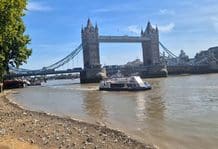
A walk along the South Bank, from Westminster towards Tower Bridge, is a particularly enjoyable way to experience the city, taking in street performers, historic buildings and some magnificent views across the Thames.
London may have a reputation for being an expensive city, but you might be surprised at just how much you can see and do without spending a penny. From world-famous museums and beautiful parks to historic landmarks and lively markets, there are plenty of ways to enjoy the capital on a budget. Take a look at this guide to Free Things to Do in London for some great ideas on exploring the city without breaking the bank. And when all that sightseeing has worked up an appetite, head over to Eating in London for inspiration on where to enjoy a bite to eat in the capital.
Brighton – A Little Different from Everywhere Else
Brighton has always been a city with a personality all of its own. Colourful, creative and occasionally a little eccentric, it combines the atmosphere of a traditional British seaside resort with an independent spirit that makes it rather special.
The Royal Pavilion is undoubtedly one of Brighton’s most remarkable buildings, looking more like an exotic palace from India than something you would expect to find on the Sussex coast. Nearby, the narrow streets of The Lanes are filled with independent shops, cafés, jewellers and restaurants, making them a wonderful place to spend a few hours exploring.
Then, of course, there is the seafront, with its famous Palace Pier, pebble beach and colourful beach huts stretching along the coastline. On a sunny summer afternoon, Brighton really does come alive, although I have always thought there is something equally appealing about walking along the promenade on a crisp winter morning.
York – A Journey Back Through the Centuries
York is one of England’s most atmospheric historic cities and somewhere that really does feel as though it has stepped out of another age.
The magnificent York Minster dominates the skyline, while the narrow medieval streets surrounding it are full of character. The Shambles, with its overhanging timber-framed buildings and cobbled street, is particularly memorable and understandably attracts visitors from around the world.
One of the best ways to appreciate York is to walk along its historic city walls, which offer wonderful views across the rooftops and towards the cathedral. There is also the fascinating National Railway Museum, the Viking history of Jorvik and an excellent selection of traditional pubs.
York makes an ideal destination for a weekend away, although it is also a useful base for exploring the beautiful countryside of North Yorkshire.
Bath – Georgian Elegance and Roman History
Bath is one of the most attractive cities in England, famous for its honey-coloured Georgian architecture and remarkably well-preserved Roman Baths.
There is a timeless elegance about the city, particularly around the Royal Crescent and the Circus, where grand Georgian buildings curve gracefully around beautifully maintained streets.
The Roman Baths are an essential stop for anyone interested in history, offering a fascinating glimpse into life nearly two thousand years ago. Although you cannot bathe in the original Roman pools, the nearby modern Thermae Bath Spa offers the opportunity to enjoy the city’s naturally heated mineral waters.
Bath is compact enough to explore on foot, and much of its charm comes from wandering through the streets, crossing Pulteney Bridge and stopping for a coffee while admiring the architecture.
Edinburgh – Scotland’s Magnificent Capital
Edinburgh is a city that makes an impression almost immediately. Its dramatic setting, historic buildings and distinctive skyline give it an atmosphere unlike anywhere else in Britain.
Edinburgh Castle stands proudly above the city on its volcanic rock, while the Royal Mile winds down through the Old Town towards the Palace of Holyroodhouse. The narrow closes and winding streets are full of history, and it is easy to imagine what life might have been like here centuries ago.
For some of the best views, a walk up Arthur’s Seat is well worth the effort, particularly on a clear day when you can see across the city towards the Firth of Forth.
Edinburgh is also famous for its festivals, particularly the Edinburgh Festival Fringe in August, when the city becomes a remarkable celebration of theatre, comedy, music and creativity.
Belfast – History, Culture and a Changing City
Belfast has undergone a remarkable transformation in recent decades and is now a fascinating destination for a city break.
The Titanic Belfast museum tells the story of the famous ship, which was built in the city’s shipyards, while the Cathedral Quarter has become a lively area of restaurants, traditional pubs and street art.
Belfast is also an excellent starting point for exploring the Causeway Coastal Route, one of the most scenic drives in the United Kingdom.
🌿 Exploring the British Countryside
Although Britain’s cities are full of interest, some of the country’s greatest treasures are found away from the busy streets.
The Lake District – England’s Mountain Playground
The Lake District is one of England’s most beautiful regions, with its combination of dramatic mountains, peaceful lakes and charming villages.
Windermere is perhaps the best-known lake, but there are many quieter corners waiting to be discovered. Ullswater, Derwentwater and Buttermere are particularly attractive, surrounded by landscapes that have inspired writers, poets and artists for generations.
Walking is one of the great pleasures of visiting the Lake District, whether you are tackling one of the higher peaks or simply enjoying a gentle stroll along a lakeside path. The weather can change remarkably quickly, so suitable clothing and a little preparation are always advisable.
The Cotswolds – Picture-Perfect English Villages
If you have ever imagined the quintessential English countryside, there is a good chance that the picture in your mind resembles the Cotswolds.
This beautiful region is famous for its rolling hills, honey-coloured stone cottages, historic market towns and traditional country pubs.
Villages such as Bibury, Bourton-on-the-Water and Castle Combe attract visitors for their picturesque streets and peaceful surroundings, although there are plenty of lesser-known places that are equally rewarding to explore.
The Cotswolds are particularly enjoyable by car, allowing you to travel between villages at your own pace and stop whenever something catches your eye.
Cornwall – Dramatic Coastlines and Fishing Villages
Cornwall feels a world away from the busy cities of southern England. Its rugged cliffs, sandy beaches, fishing harbours and winding country lanes give it a character that is unmistakably its own.
St Ives is famous for its beautiful beaches and thriving arts scene, while Padstow has become something of a destination for food lovers. Further west, the dramatic coastline around Land’s End and the Minack Theatre provides some unforgettable views.
The South West Coast Path offers magnificent walking opportunities, with sections suitable for everything from a gentle afternoon stroll to a challenging day’s hike.
And no visit to Cornwall would be complete without a traditional Cornish pasty or a cream tea, although I would advise being careful about entering the great debate over whether the jam or cream should go on first!
The Scottish Highlands – Wild and Wonderful
The Scottish Highlands are among the most spectacular landscapes anywhere in the British Isles.
Towering mountains, deep glens, mysterious lochs and remote villages combine to create scenery that can be breathtaking in almost any weather. Glencoe is particularly dramatic, while the Isle of Skye is famous for its rugged coastline, unusual rock formations and magnificent mountain views.
For those who enjoy a road trip, the North Coast 500 has become one of Scotland’s best-known touring routes, taking visitors through some of the most remote and beautiful parts of the country.
The Highlands are also a wonderful place to experience Scottish hospitality, whether stopping at a small village café or enjoying an evening beside a roaring fire in a traditional pub.
Wales – Mountains, Castles and Coastlines
Wales is sometimes overlooked by international visitors, which is a shame because it offers some of the finest scenery in the United Kingdom.
Eryri National Park, still widely known as Snowdonia, is home to Yr Wyddfa (Snowdon), the highest mountain in Wales. The surrounding landscape is a wonderful mixture of rugged peaks, lakes and traditional villages.
Further south, Pembrokeshire offers a spectacular coastline, with sandy beaches, dramatic cliffs and charming harbour towns such as Tenby.
Wales is also famous for its castles, many of which date back to the medieval period. Conwy, Caernarfon and Harlech are particularly impressive and provide a fascinating insight into the country’s history.
✔ Best Things to Do in the United Kingdom
One of the great attractions of travelling around Britain is the sheer variety of experiences available. You can spend one day exploring a historic cathedral and the next walking along a remote coastal path, visiting a vineyard or enjoying a traditional seaside town.
History enthusiasts will find no shortage of places to visit, from Stonehenge and Hadrian’s Wall to the castles of Scotland and Wales. Britain’s industrial heritage is equally fascinating, with former mills, railways, mines and dockyards offering a glimpse into the country’s past.
For those who enjoy the outdoors, the national parks provide some wonderful opportunities for walking, cycling and wildlife watching. The Peak District, Yorkshire Dales, Lake District and South Downs are just a few of the areas where you can escape into the countryside.
Britain also has a remarkable coastline. From the white cliffs of Dover and the Jurassic Coast to the beaches of Northumberland and the remote shores of the Scottish islands, there are countless places to enjoy the sea air.
And then there are the little experiences that make travelling here so enjoyable: afternoon tea in a country hotel, fish and chips beside the sea, a Sunday roast in a village pub or discovering a local market in a town you had never previously heard of.
Sometimes it is these simple pleasures that provide the most lasting memories.
🚗 Getting Around the United Kingdom
Travelling around the UK is generally straightforward, although the best method of transport depends very much on where you are planning to visit.
The railway network connects most major cities and many smaller towns, making train travel an excellent option for visitors who would rather not drive. London, York, Edinburgh, Manchester, Birmingham and Bristol are all well connected, and travelling by train can be a relaxing way to enjoy the countryside.
However, rail fares can be expensive, particularly when booking at short notice. Purchasing tickets in advance and travelling outside the busiest periods can often make a considerable difference to the price.
Hiring a car offers much greater flexibility, particularly if you want to explore the countryside, smaller villages or remote coastal areas. Driving through the Cotswolds, Scottish Highlands or Welsh countryside allows you to discover places that are difficult to reach by public transport.
Remember that we drive on the left in the UK, and some rural roads can be surprisingly narrow. It is not unusual to find yourself sharing a country lane with a tractor, a flock of sheep or an approaching vehicle that requires a little negotiation to pass!
For travelling between England, Scotland, Wales and Northern Ireland, there are also domestic flights and ferry connections, although rail or road journeys are often more practical for shorter distances.
🌞 Best Time to Visit the United Kingdom
There really is no single perfect time to visit Britain, as every season has its own appeal.
Spring, from March to May, is one of my favourite times of year. The countryside begins to come alive, gardens burst into colour and the days gradually become longer. It is a particularly lovely season for visiting the Cotswolds, the Lake District and southern England.
Summer, from June to August, brings the longest days and generally the warmest weather. This is the ideal time for coastal holidays, outdoor festivals and exploring the Scottish Highlands, although popular destinations can become very busy during the school holidays.
Autumn is another beautiful season, particularly in the countryside, when the trees turn shades of gold, orange and red. September can be an excellent month for travelling, with fewer crowds in many destinations and the possibility of some pleasantly warm days.
Winter has its own attractions, especially in historic cities where Christmas markets, festive decorations and cosy pubs create a wonderful atmosphere. Snow is possible in many parts of the country, particularly in the Scottish mountains, although visitors should be prepared for shorter days and unpredictable weather.
Whatever time of year you choose, I would always recommend packing a waterproof jacket. In Britain, it is one of those things you are almost certain to need just when you least expect it.
📅 Suggested United Kingdom Itinerary – 14 Days
For visitors planning their first trip to the UK, two weeks provides a good introduction to some of the country’s highlights, although you could easily spend several months exploring without running out of places to visit.
Days 1–3: London
Begin with three days in the capital, exploring the major landmarks, museums, markets and neighbourhoods. Take time to walk along the Thames and enjoy some of London’s excellent free attractions.
Days 4–5: Bath and the Cotswolds
Travel west to the beautiful city of Bath before exploring the villages and countryside of the Cotswolds. This is an excellent opportunity to experience a more traditional side of England.
Days 6–7: York
Head north to York, where you can explore the medieval streets, visit York Minster and walk along the historic city walls. If time permits, venture into the surrounding Yorkshire countryside.
Days 8–9: The Lake District
Continue west to the Lake District for two days of spectacular scenery, peaceful lakes and mountain landscapes.
Days 10–11: Edinburgh
Travel north into Scotland and spend two days discovering Edinburgh’s historic Old Town, magnificent castle and atmospheric streets.
Days 12–14: Scottish Highlands
Finish your journey with a taste of the Scottish Highlands, exploring the landscapes around Glencoe, Fort William or Loch Lomond before returning south or departing from Scotland.
This itinerary concentrates on England and Scotland to avoid spending too much of the holiday travelling. Wales and Northern Ireland are equally deserving of a visit and would make wonderful additions to a longer journey or separate holidays in their own right.
🏨 Where to Stay in the United Kingdom
Accommodation in the UK ranges from luxury city hotels and historic country houses to traditional bed and breakfasts, cosy cottages and welcoming village inns.
In London and other major cities, staying close to public transport is often more important than being right in the centre. A hotel near an Underground or railway station can make exploring considerably easier and may also save money.
In rural areas, I particularly like the idea of staying in a traditional inn or small independent hotel, where you can enjoy the atmosphere of the surrounding countryside and perhaps finish the day with a good meal in the pub downstairs.
Self-catering cottages are another excellent option, particularly for families or visitors planning to spend several days exploring one region.
During the summer months, popular destinations such as Cornwall, the Lake District and the Scottish Highlands can become very busy, so booking accommodation well in advance is advisable.
📷 United Kingdom – Through My Lens
One of the pleasures of exploring Britain is discovering just how varied the landscapes can be. From the historic streets of our cities to the dramatic coastlines, peaceful villages and rolling countryside, there is always something worth photographing.
I particularly enjoy capturing the smaller details that give a destination its character, whether that is a colourful row of beach huts, an old-fashioned shopfront, a fishing boat resting in a harbour or a quiet country lane disappearing into the distance.
The photographs throughout my United Kingdom travel guides reflect some of the places I have visited and the experiences that have stayed with me.
And as with everywhere I travel, there are always more places waiting to be discovered.
After all, sometimes the best journeys are the ones that begin just a little closer to home.
Pre-bookable Excursions in the United Kingdom
More Information
Contact the Visit England or your local travel agent for more information on holidays to the United Kingdom.