
✈ Start Here – Vietnam Guide
- Introduction to Vietnam
- Key Information for Vietnam
- Best Cities & Places to Visit in Vietnam
- Getting Around Vietnam
- Best Things to Do in Vietnam
- Best Time to Visit Vietnam
- Suggested Vietnam Itinerary
- Where to Stay in Vietnam
- Vietnam – Through My Lens
- Frequently Asked Questions About Vietnam
- Pre Bookable Excursions
- Final Thoughts
📍 Map of Vietnam
🧭 Introduction To Vietnam
Vietnam had been on my travel radar for many years, but it wasn’t until 2025 that I finally had the opportunity to experience it for myself, travelling from north to south through a country that proved every bit as fascinating, colourful and occasionally chaotic as I had hoped.
My journey began in Hanoi, where the noise, food, street life and seemingly endless flow of scooters provided quite an introduction. From there I travelled to the extraordinary limestone landscapes of Ha Long Bay and Ninh Binh, before continuing south to the historic town of Hoi An, the beaches of Nha Trang and finally the energy of Ho Chi Minh City.
What struck me throughout the journey was just how much Vietnam changed along the way. This isn’t a country where you visit one city and feel you’ve understood the rest. Hanoi felt very different from Ho Chi Minh City, while the mountains and rivers around Ninh Binh were a world away from the coastline of Nha Trang or the lantern-filled streets of Hoi An.
Then there was the food, which became one of the great pleasures of travelling through the country. Each destination brought something slightly different, from street food and small local restaurants to markets, cafés and the wonderfully strong Vietnamese coffee that quickly became part of the daily routine.
Vietnam’s history is inevitably part of any journey through the country, but what I discovered was somewhere energetic, welcoming and full of contrasts. Ancient temples and historic buildings sit alongside rapidly developing cities, while travelling between destinations reveals rice fields, mountains, rivers, beaches and communities where everyday life can be every bit as interesting as the recognised attractions.
This guide brings together my own journey through Vietnam alongside practical information and ideas for planning your own trip. There are still plenty of places I haven’t visited, which simply gives me another reason to return.
🔑 Key Information for Vietnam
Continent: Asia
Capital: Hanoi
Largest City: Ho Chi Minh City
Currency: Vietnamese Dong (VND)
Official Language: Vietnamese
Time Zone: Indochina Time (ICT), GMT+7
Driving: Right-hand side
International Dialling Code: +84
Entry Requirements: Check current requirements before travelling
Health: Check current travel health advice before departure
Best Time to Visit: Depends on which regions you are visiting
Flight Time from the UK: Around 12–13 hours for some direct routes, depending on destination and schedule
One of the most important things to understand when planning Vietnam is that its long, narrow geography has a significant effect on both the weather and the way you travel. Conditions in Hanoi can be completely different from those in Hoi An or Ho Chi Minh City, so there isn’t really one perfect month for visiting the entire country.
Distances also need to be respected. Hanoi and Ho Chi Minh City are separated by well over 1,000 kilometres, and although Vietnam has good transport connections, trying to squeeze the north, centre and south into a short holiday can result in spending far too much time moving between places.
If you want to experience several regions, I would allow at least two weeks and preferably longer. Travelling through the country rather than concentrating on one resort or city was what made my own journey so rewarding.
🌆 Best Cities & Places to Visit in Vietnam
My journey took me through six very different parts of Vietnam, and together they provided a wonderful introduction to the country. I experienced major cities, rural landscapes, a spectacular UNESCO-listed bay, historic streets and time beside the coast, with each stop feeling noticeably different from the last.
Hanoi
Hanoi was my introduction to Vietnam, and there are few cities that make quite such an immediate impression. The traffic is probably one of the first things you notice, with scooters seemingly arriving from every possible direction and crossing the road initially feeling like an activity requiring considerable courage. After a while, however, you begin to understand the rhythm of the city and realise that what initially appears to be complete chaos somehow seems to work.
The Old Quarter is at the heart of the experience, with narrow streets packed with shops, food stalls, cafés and everyday life. Hoan Kiem Lake provides a calmer space nearby, while Hanoi’s temples, colonial architecture and historic sites reveal different periods of the city’s long history.
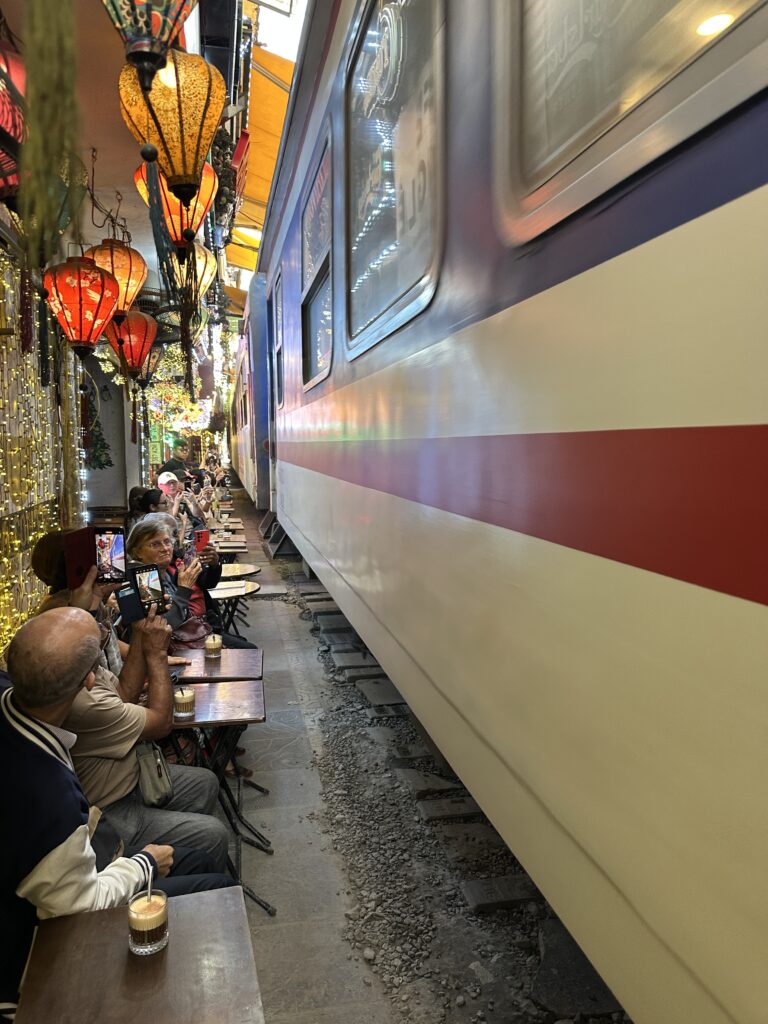
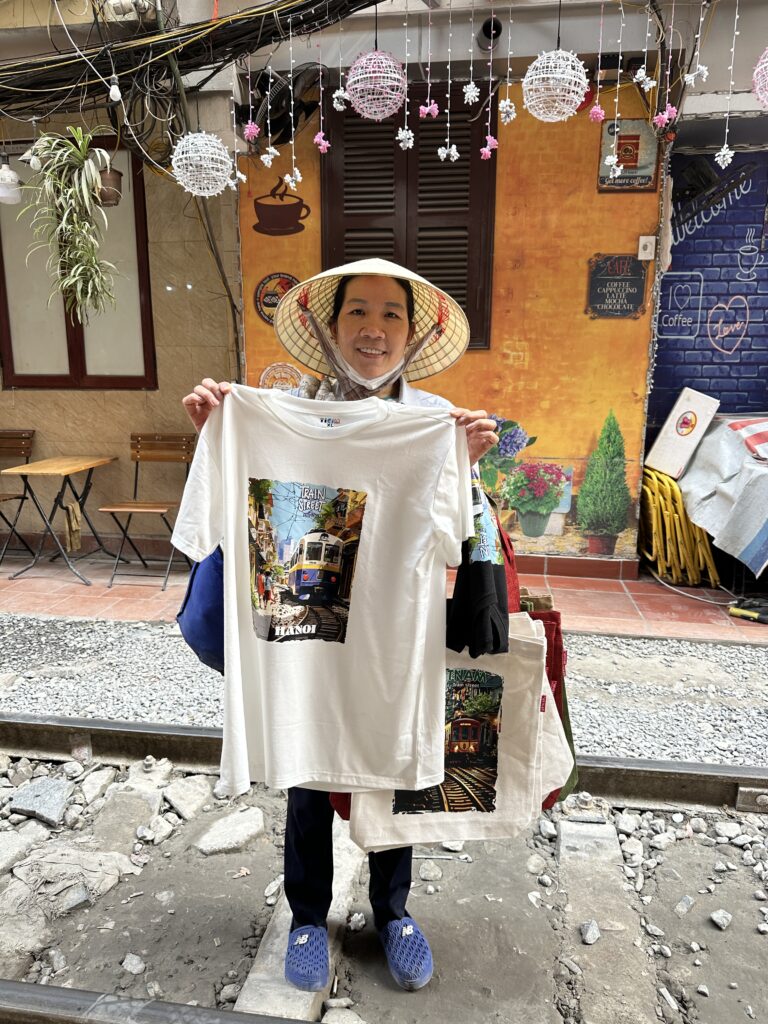
One of the places I was particularly keen to experience was Hanoi Train Street, where the railway passes incredibly close to homes, cafés and businesses in one of the city’s most unusual settings. I went along to see it for myself and, although I’d seen plenty of photographs beforehand, actually being there and seeing just how narrow the space is between the railway and the surrounding buildings was quite something. Access arrangements can change and sections may be restricted for safety reasons, so it is worth checking the situation locally rather than assuming you can simply wander onto the tracks.
Food was another important part of my time in Hanoi. This is a city where eating on the street or in a small local restaurant feels every bit as much a part of sightseeing as visiting a museum or temple. Pho and bun cha are obvious dishes to try, while Vietnamese coffee soon became another of the pleasures of travelling through the country.
What I particularly enjoyed was simply watching Hanoi go about its business. Between the scooters, street food, cafés, markets and the extraordinary sight of a train passing through the heart of a residential neighbourhood, there always seemed to be something happening. It can be noisy and overwhelming when you first arrive, but once you stop trying to impose order on it, Hanoi becomes fascinating.
Ha Long Bay
From the streets of Hanoi, Ha Long Bay provided a dramatic change of scenery. Thousands of limestone islands and rocky outcrops rise from the water, creating one of the most recognisable landscapes in Southeast Asia.
Photographs give you an idea of what to expect, but being out on the water amongst the formations provides a much better appreciation of their scale. Exploring by boat allows you to travel deeper into the bay, with the landscape constantly changing as different islands and peaks appear from behind one another.
Ha Long Bay is enormously popular, so it isn’t somewhere to expect complete solitude. Choosing the right cruise is therefore important, and I would look carefully at the itinerary, size of the boat and overall experience rather than simply opting for the cheapest available. I travelled with La Regina Cruises and, while I imagine the overall experience is similar to many of the other cruises operating in the bay, I found the boat comfortable, the trip well organised and the whole experience thoroughly enjoyable.
Despite its popularity, this remains one of those places that deserves its reputation. After the constant movement of Hanoi, being surrounded by water and those extraordinary limestone formations provided one of the great contrasts of my journey through Vietnam.

Ninh Binh
If Ha Long Bay provided spectacular limestone scenery from the water, Ninh Binh offered something equally impressive amongst the countryside.
The region is sometimes described as “Ha Long Bay on land”, but having experienced both, I think that description rather undersells Ninh Binh. It has its own distinctive character, with limestone karsts rising amongst rivers, rice fields and lush rural landscapes.
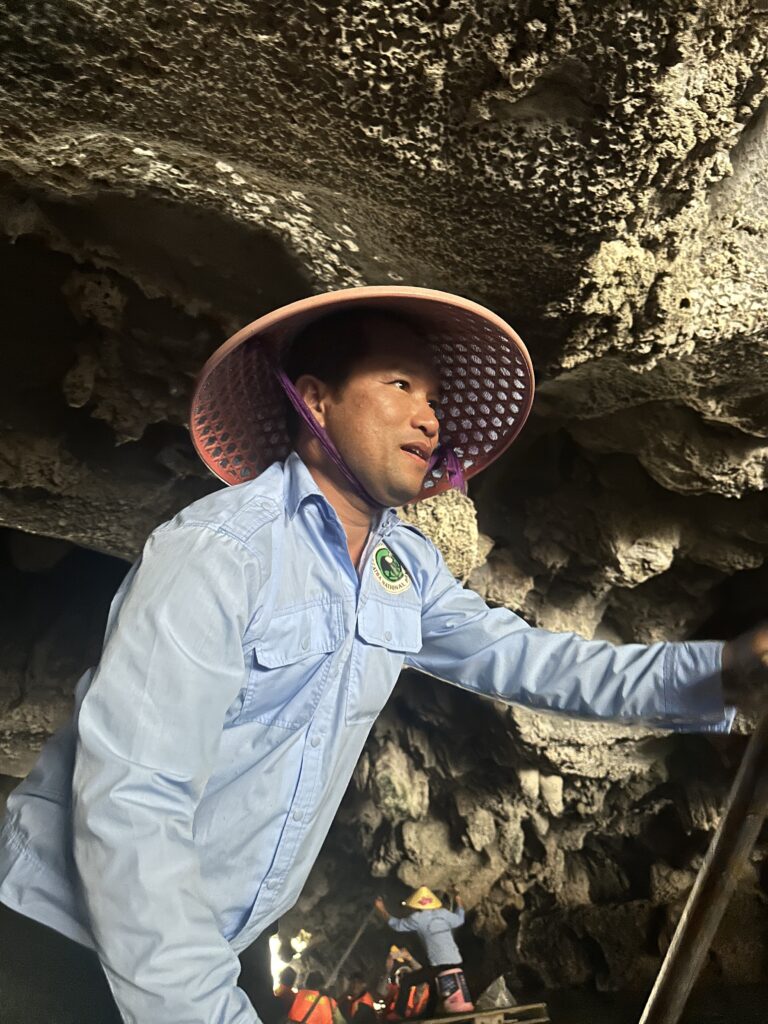
One of the great experiences here is taking a small boat through Trang An or Tam Coc, travelling beneath towering cliffs and through caves while the countryside unfolds around you. It is a wonderfully peaceful contrast to Hanoi and provides another example of how quickly the character of Vietnam can change.
Ninh Binh is also somewhere worth exploring slowly. Cycling provides an excellent way to experience the surrounding countryside, while the climb to the viewpoint at Hang Mua rewards the effort with magnificent views across the mountains, rivers and rice fields.
Hoi An
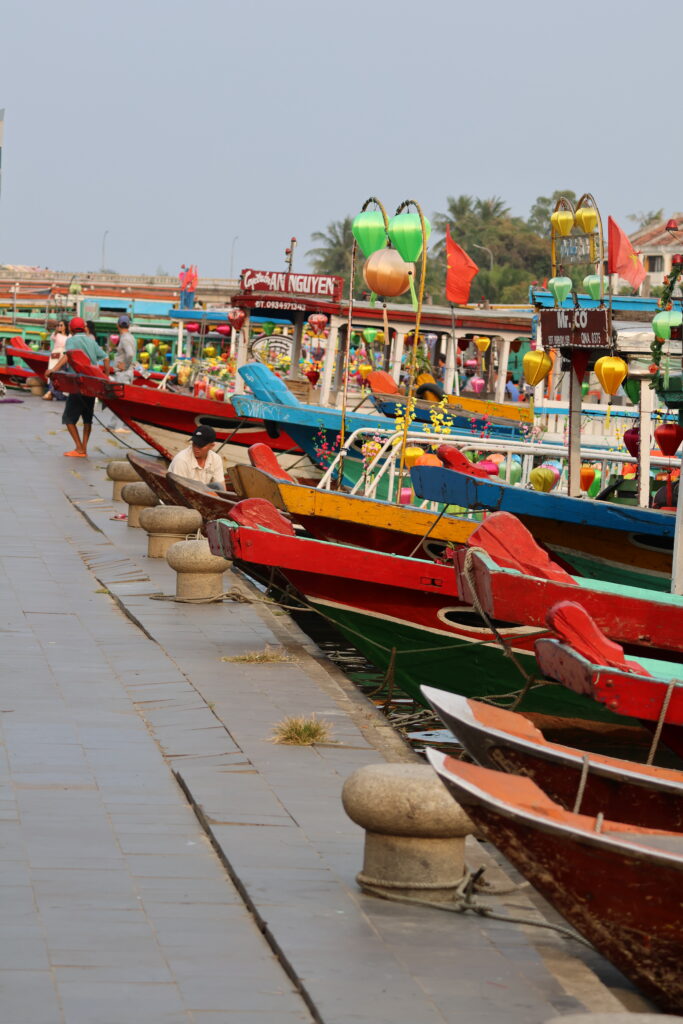
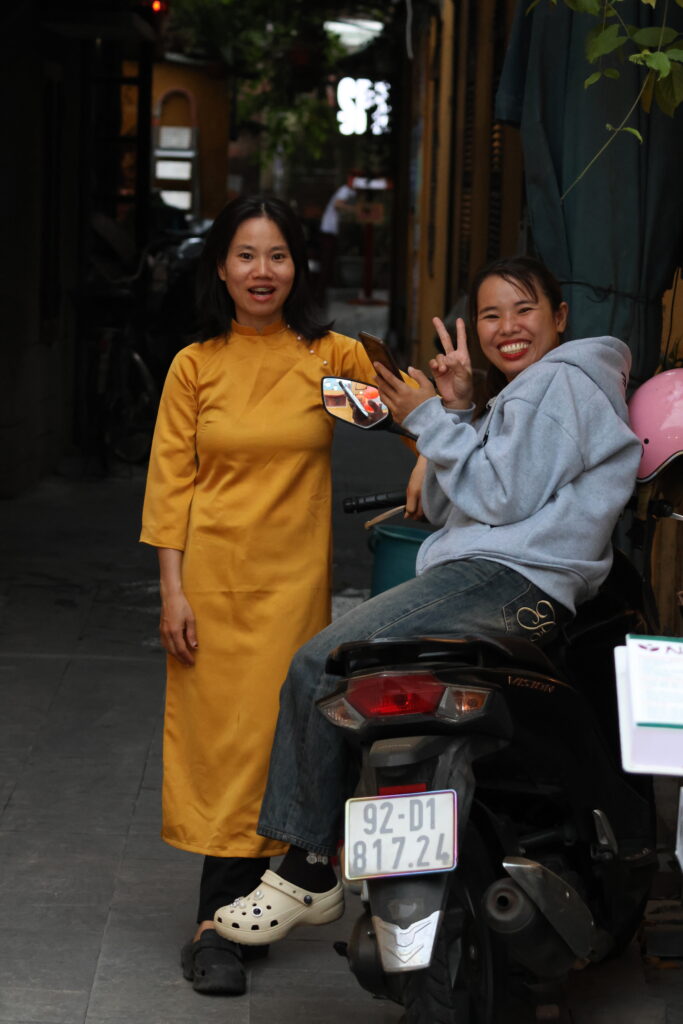
Hoi An was one of the places I had particularly been looking forward to seeing, and its historic centre certainly doesn’t lack atmosphere. Traditional buildings, temples, small shops and restaurants fill the old town, while the famous colourful lanterns become particularly beautiful as daylight disappears.
Hoi An is understandably popular and can become busy, especially during the evening. Staying locally rather than simply arriving for a few hours gives you an opportunity to experience a different side of the town, particularly early in the morning before many visitors appear.
I also liked the fact that Hoi An isn’t simply about the historic centre. The surrounding countryside offers rice fields, villages and opportunities to explore by bicycle, while the coast is close enough to combine sightseeing with some time beside the sea.
Food provides yet another reason to linger. Central Vietnam has its own culinary traditions, and Hoi An is an excellent place to discover them rather than relying only on dishes already familiar from Vietnamese restaurants back home.
For photography, Hoi An is a gift. The architecture, river, lanterns and changing light provide endless possibilities, although some of my favourite travel photographs are often the smaller details and everyday scenes rather than the obvious postcard views.
Nha Trang
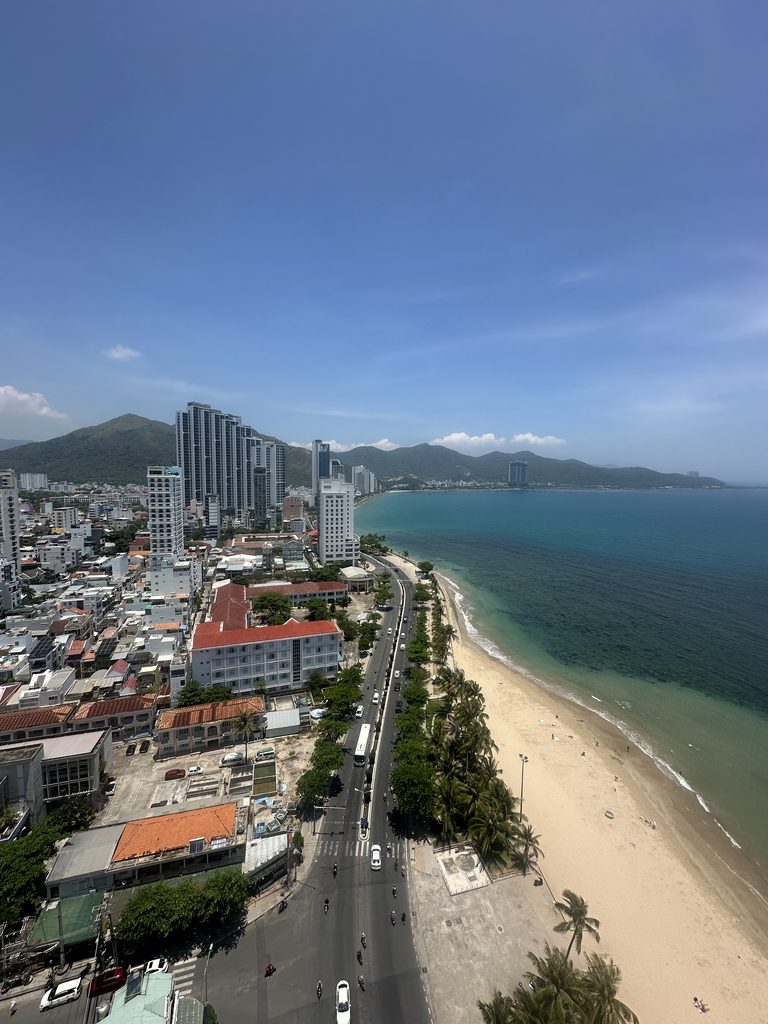
After the history and atmosphere of Hoi An, Nha Trang introduced me to a very different side of Vietnam. This is one of the country’s best-known coastal destinations, with a long beach stretching alongside a busy modern city.
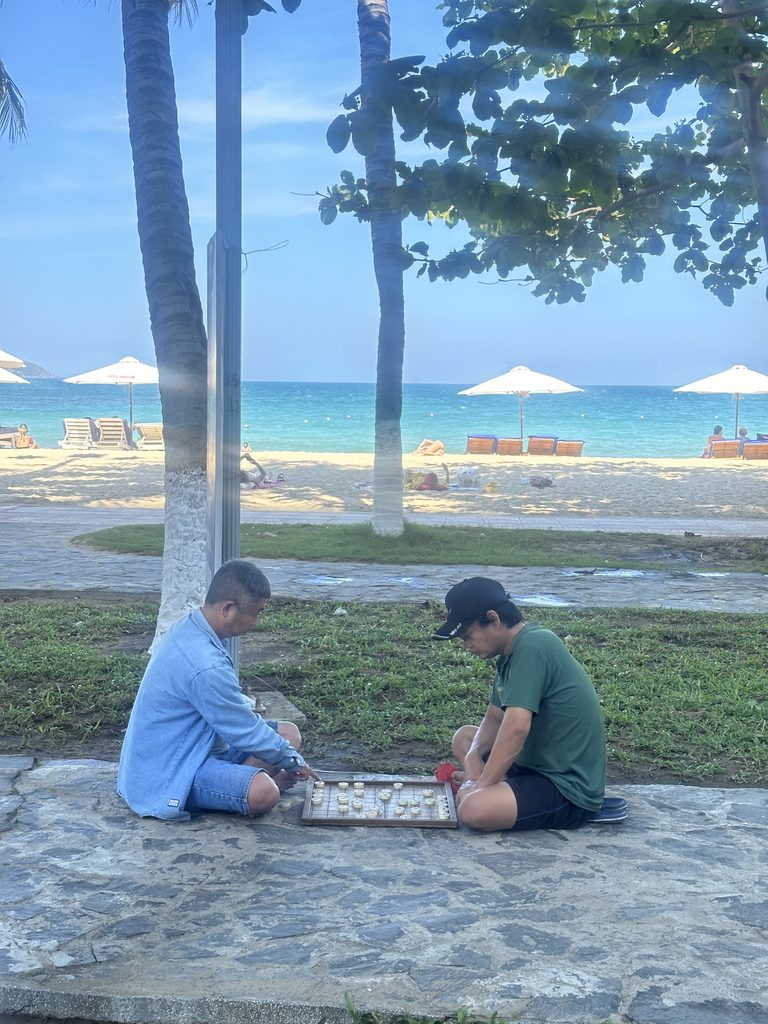
After travelling through several destinations where sightseeing had been a major part of each day, spending some time beside the sea provided a welcome change of pace. Nha Trang has developed considerably and certainly isn’t an undiscovered beach retreat, with hotels and resorts lining sections of the coastline, but the beach and surrounding scenery remain an important part of its appeal.
There is more to the area than sunbathing, with boat trips heading towards islands in the bay and temples and markets offering opportunities to experience something beyond the resort side of the city.
Including Nha Trang in my journey reinforced something I’d already begun to appreciate about Vietnam. You can move from mountains and rice fields to historic towns and then find yourself beside a tropical-looking coastline, all while continuing through the same country.
Ho Chi Minh City
My journey eventually brought me to Ho Chi Minh City, still commonly referred to as Saigon, and once again the atmosphere changed completely.
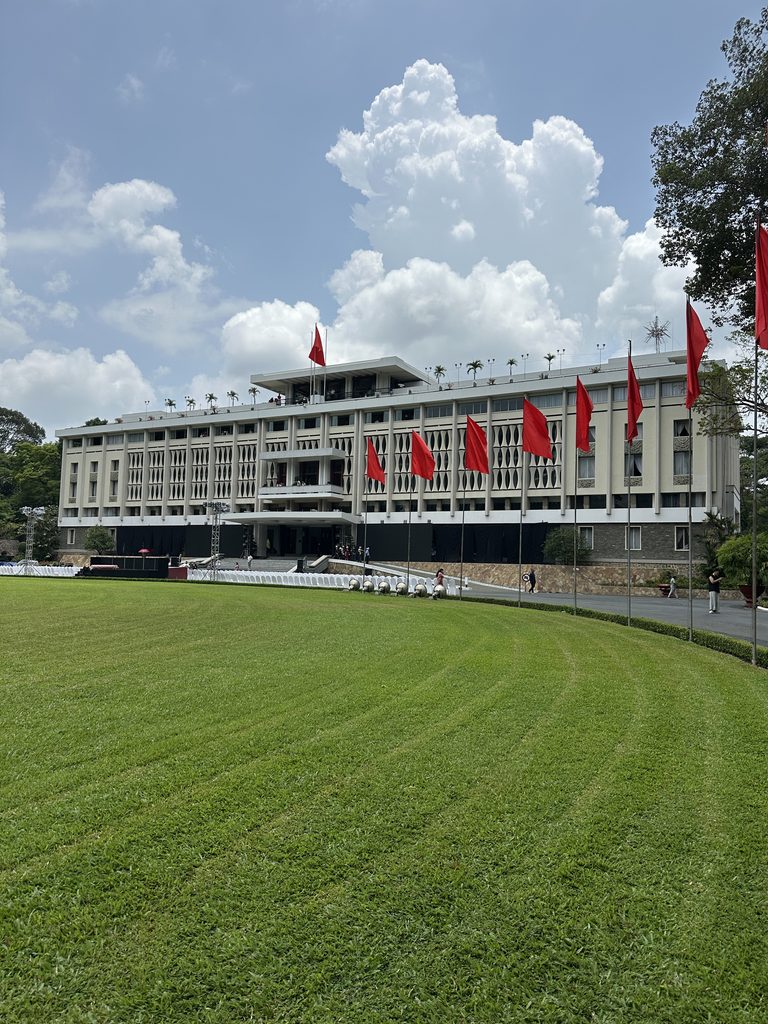
Vietnam’s largest city feels more modern and fast-moving than Hanoi, although the traffic remains every bit as memorable. Historic buildings sit amongst skyscrapers, hotels, cafés, markets and shopping streets, while the city’s museums provide important insights into Vietnam’s twentieth-century history.
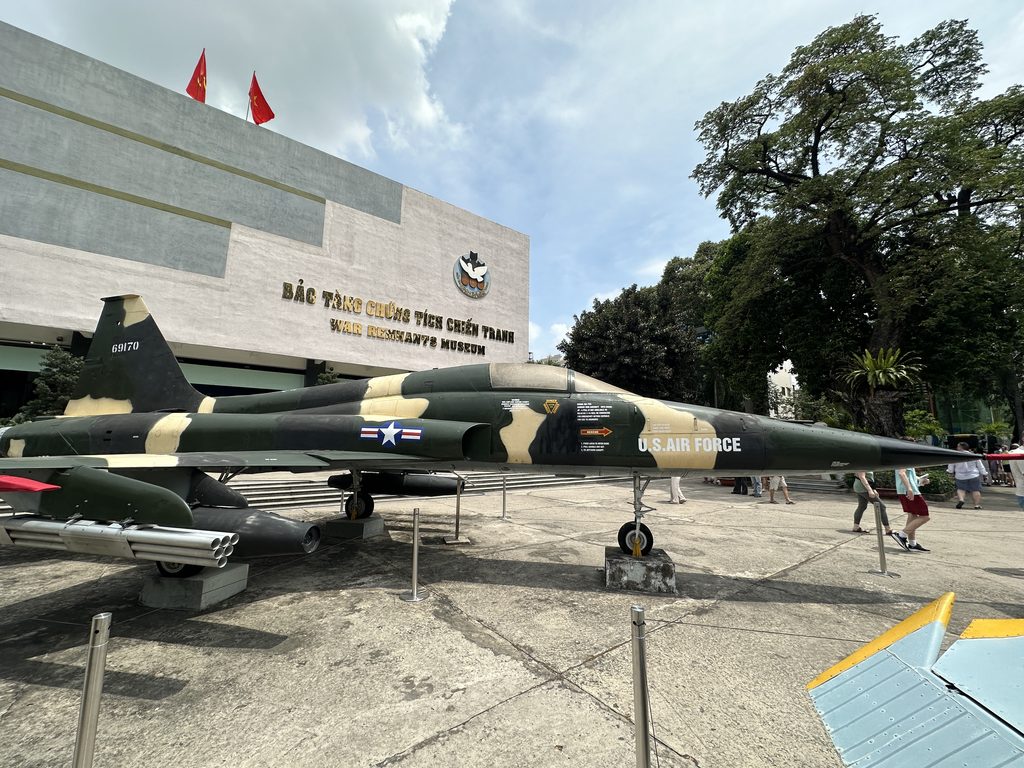
The War Remnants Museum is a difficult but important experience for many visitors, while other landmarks reflect the city’s French colonial period and the events surrounding the end of the Vietnam War.
Away from the major sights, Ho Chi Minh City is another place where exploring neighbourhoods, eating and watching city life become part of the experience. Rooftop bars provide a completely different perspective after dark, while street-level restaurants and cafés keep you firmly connected with everyday life.
Finishing my journey here also allowed me to compare Vietnam’s two great cities. Hanoi and Ho Chi Minh City are both energetic and sometimes chaotic, but they have noticeably different personalities. Experiencing both was an important part of understanding just how varied Vietnam can be.
More Places I’d Like to Explore
Even after travelling much of the length of Vietnam, there is still plenty I haven’t seen. Hue, the former imperial capital, is somewhere I’d particularly like to visit for its Imperial City, royal tombs and history, while further north Sapa and Ha Giang offer mountain landscapes, rice terraces and a very different cultural experience.
Phong Nha-Ke Bang National Park, with its extraordinary cave systems and limestone scenery, is another area that interests me, while in the south I’d like to spend more time exploring the Mekong Delta, travelling through its rivers, canals and communities rather than seeing it on a hurried day excursion.
That’s one of the great things about Vietnam. Even after travelling from north to south, I came home with another list of places I’d like to experience.
🚗 Getting Around Vietnam
One of the things I particularly enjoyed about travelling through Vietnam was experiencing the country at ground level rather than simply flying between the major cities. During my journey from Hanoi in the north to Ho Chi Minh City in the south, I travelled mainly by bus and train, which gave me a much better sense of the distances involved and allowed me to watch the landscape gradually change around me.
Vietnam’s long, narrow shape makes travelling overland particularly well suited to a north-to-south journey. Breaking the route with stops at Ha Long Bay, Ninh Binh, Hoi An and Nha Trang meant that travelling became part of the experience rather than simply something that had to be endured between destinations.
By Train
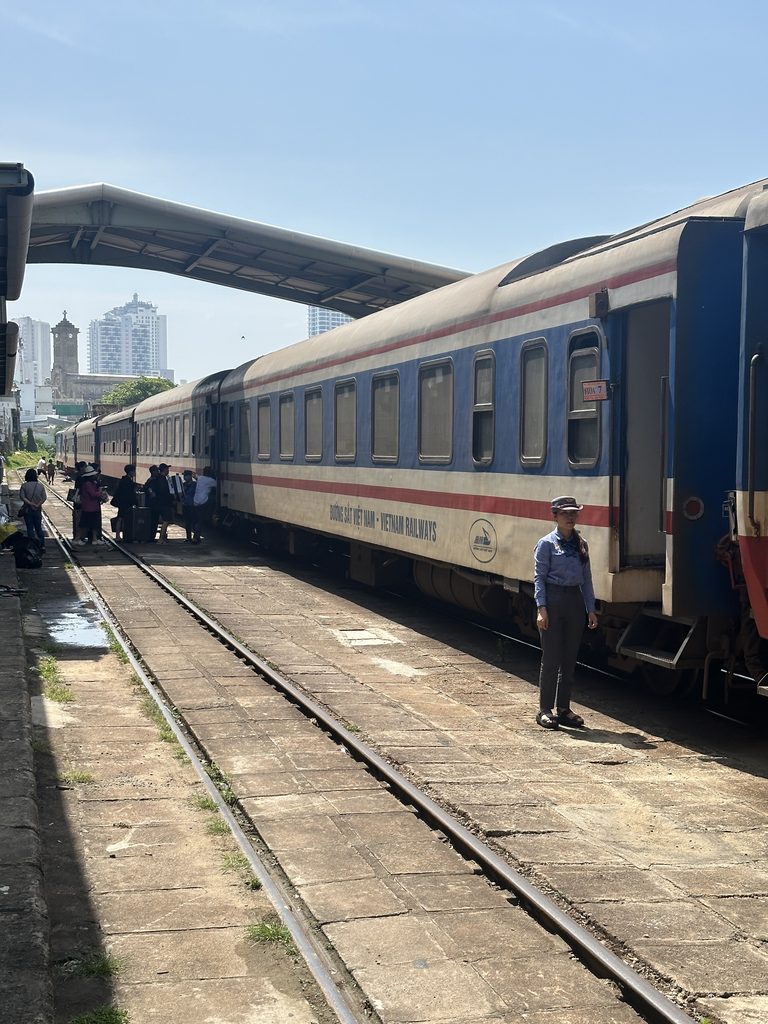
Train travel was one of the ways I moved through Vietnam and, for me, it suited the journey perfectly. The country’s main railway runs for much of the length of Vietnam, connecting Hanoi with Ho Chi Minh City and serving numerous destinations along the way.
Travelling by train gives you the opportunity to see parts of the country that you would completely miss from the air. Cities gradually disappear into countryside, rice fields and smaller communities, while sections of the railway provide wonderful views of the coastline and surrounding landscapes.
The trains aren’t about high-speed travel, and that is really part of their appeal. Journeys can be long, so choosing the right class and seat or sleeper accommodation is worth considering, particularly for overnight sectors. I found that accepting the slower pace rather than constantly looking at the arrival time made the journey much more enjoyable.
By Bus
I also travelled by bus, which proved an easy way of connecting destinations that weren’t always conveniently served by the railway.
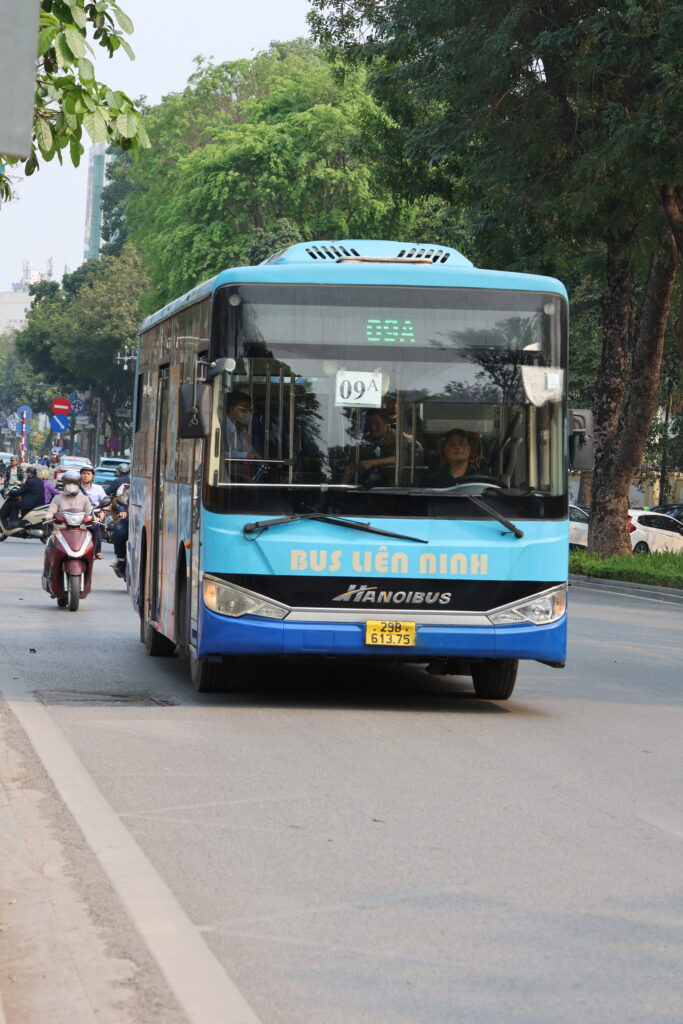
Vietnam has an extensive network of buses, coaches and smaller transfer services connecting cities and popular visitor destinations. Travelling this way also gives you another glimpse of everyday Vietnam as you pass through towns, villages and landscapes that would simply disappear beneath you if you were flying.
Standards vary between operators and vehicles, so for longer journeys it is worth checking reviews and understanding exactly what type of bus you are booking. Sleeper buses are common on longer routes, although comfort levels and layouts differ and they won’t necessarily suit everybody.
Local Transport
Once I arrived in each destination, getting around was generally straightforward. Taxis and app-based transport are widely available in the larger cities, while walking was often my preferred way to explore historic areas and neighbourhoods at my own pace.
Hanoi and Ho Chi Minh City can initially feel overwhelming because of the sheer number of scooters, but walking allowed me to experience far more of the street life than I would have seen from inside a vehicle. Markets, cafés, small restaurants and unexpected corners of the cities often became every bit as interesting as the recognised attractions.
In places such as Ninh Binh and Hoi An, cycling is another enjoyable option. The countryside and quieter roads outside the busiest areas lend themselves particularly well to exploring on two wheels.
Bus or Train?
Having used both, I wouldn’t choose one exclusively because the combination of buses and trains worked extremely well for my journey through Vietnam.
Trains were enjoyable for longer journeys where I wanted more space and the opportunity to watch the countryside pass by, while buses provided the flexibility to reach places and make connections that weren’t as practical by rail.
Most importantly, travelling overland gave the trip a sense of continuity. I wasn’t simply visiting a collection of separate destinations; I was gradually travelling through Vietnam and watching the country change around me.
For anyone with enough time, I think that’s one of the best ways to experience it.
✔ Best Things to Do in Vietnam
After travelling from Hanoi to Ho Chi Minh City, I came away feeling that Vietnam isn’t really about one great attraction. It is the combination of food, cities, landscapes, history and everyday experiences that makes the country memorable.
Eat Your Way Through Vietnam
Food should be an important part of any journey through Vietnam. Don’t assume that eating the same familiar dishes throughout the country will give you the full picture because regional specialities change considerably as you travel.
Street-food tours can provide a useful introduction, particularly in Hanoi or Ho Chi Minh City, but some of the most enjoyable meals can be found in small local restaurants where the surroundings are simple and the focus is entirely on the food.
Experience Hanoi’s Street Life & Train Street
Hanoi’s energy is one of its greatest attractions, so spend time exploring the Old Quarter, drink Vietnamese coffee, eat locally and allow yourself to simply watch the city operating around you. I also visited the famous Train Street, where the railway squeezes between buildings and cafés in an extraordinary urban setting. Access can be controlled or restricted, so check locally and always follow the safety instructions in place when you visit.
Cruise Through Ha Long Bay
Whatever photographs you’ve seen beforehand, travelling amongst the limestone islands of Ha Long Bay remains a memorable experience. An overnight cruise provides more time to appreciate the landscape and allows you to see the bay as the light and atmosphere change.
Explore Ninh Binh
Ninh Binh provided one of the great landscape contrasts of my trip. A boat journey through the limestone scenery combined with time exploring the countryside offers a very different experience from Vietnam’s major cities.
See Hoi An After Dark
Hoi An changes as evening arrives and the lanterns begin illuminating the historic streets. It can become busy, but there is still something special about wandering through the old town after dark.
I’d also make the effort to see Hoi An early in the morning, when the atmosphere is completely different.
Spend Time on the Coast
My time in Nha Trang demonstrated how easily Vietnam can combine a touring holiday with a few slower days beside the sea. With such a long coastline, there are numerous opportunities to include beach time without turning the entire trip into a resort holiday.
Discover Vietnam’s History
Understanding something of Vietnam’s history adds enormous depth to a journey through the country. Its story extends far beyond the war that dominates many Western perceptions, encompassing imperial dynasties, colonialism, independence and the development of modern Vietnam.
Some museums and historical sites can be confronting, particularly in Ho Chi Minh City, but they provide important context and deserve time.
Enjoy Vietnamese Coffee
Vietnamese coffee became one of those simple pleasures I quickly associated with travelling through the country. Strong coffee served with condensed milk is probably the best-known style, while Hanoi’s egg coffee provides something rather different.
Sitting in a café and watching life outside was often just as enjoyable as rushing off to another attraction.
🌞 Best Time to Visit Vietnam
One of the biggest mistakes when planning Vietnam is assuming that the entire country experiences the same weather. Because Vietnam stretches such a long distance from north to south, conditions can vary considerably between regions at exactly the same time of year.
Northern Vietnam
Hanoi, Ha Long Bay and Ninh Binh experience distinct seasonal changes. Winters can be cooler than many visitors expect, while summer becomes hot and humid with heavier rainfall.
Spring and autumn are often attractive periods for exploring the north, although weather is never completely predictable.
Central Vietnam
Central destinations such as Hoi An experience different weather patterns, including periods of heavier rainfall and the possibility of tropical storms.
Conditions here can therefore be very different from those experienced in northern or southern Vietnam during the same month.
Southern Vietnam
Ho Chi Minh City and southern Vietnam remain warm throughout the year, with seasons generally defined more by rainfall than temperature.
Tropical rain can be extremely heavy when it arrives, but that doesn’t necessarily mean an entire day will be lost.
So, When Should You Visit Vietnam?
For a north-to-south journey, February to April can provide a useful compromise because conditions are often relatively favourable across several regions, although there is no month that guarantees perfect weather throughout the country.
I’d always check the expected conditions for each destination on your itinerary rather than relying on a single answer for the whole of Vietnam.
📅 Suggested Vietnam Itinerary
The route I travelled provides an excellent basis for a first journey through Vietnam because it combines major cities, countryside, coast and some of the country’s most famous landscapes.
Days 1–3: Hanoi
Begin with three days in Hanoi, giving yourself time to adjust to Vietnam while exploring the Old Quarter, Hoan Kiem Lake, historic sites and the city’s excellent food scene.
Don’t over-plan every hour because Hanoi is one of those places where wandering and watching everyday life is part of the experience.
Days 4–5: Ha Long Bay
Travel from Hanoi to Ha Long Bay and spend time exploring the famous limestone landscape by boat.
An overnight cruise allows you to experience the bay at different times of day and makes the journey feel much less rushed than trying to fit everything into a quick excursion.
Days 6–7: Ninh Binh
Continue to Ninh Binh for a complete change of pace. Allow time for a boat journey through the limestone scenery and explore some of the surrounding countryside.
Days 8–10: Hoi An
Continue south to central Vietnam and spend several nights in Hoi An. Explore the historic centre, enjoy the food and leave enough time for the surrounding countryside or coast rather than concentrating entirely on the old town.
Days 11–13: Nha Trang
Continue south to Nha Trang and slow the pace for a few days beside the coast. After the cities and sightseeing of the first part of the journey, this provides an opportunity to enjoy the beach and explore the surrounding area.
Days 14–16: Ho Chi Minh City
Finish in Ho Chi Minh City with several days to explore its history, neighbourhoods, markets and food.
If you have additional time, this is where I’d consider adding the Mekong Delta rather than trying to squeeze another distant destination into an already busy itinerary.
The most important lesson from my own journey would be not to rush Vietnam. There will always be somewhere else you could add, but constantly packing and moving on can easily become the defining memory of a trip that deserves to be enjoyed at a slower pace.
🏨 Where to Stay in Vietnam
Vietnam offers accommodation for virtually every budget, from inexpensive guesthouses and locally run homestays to boutique hotels, beach resorts and international luxury properties.
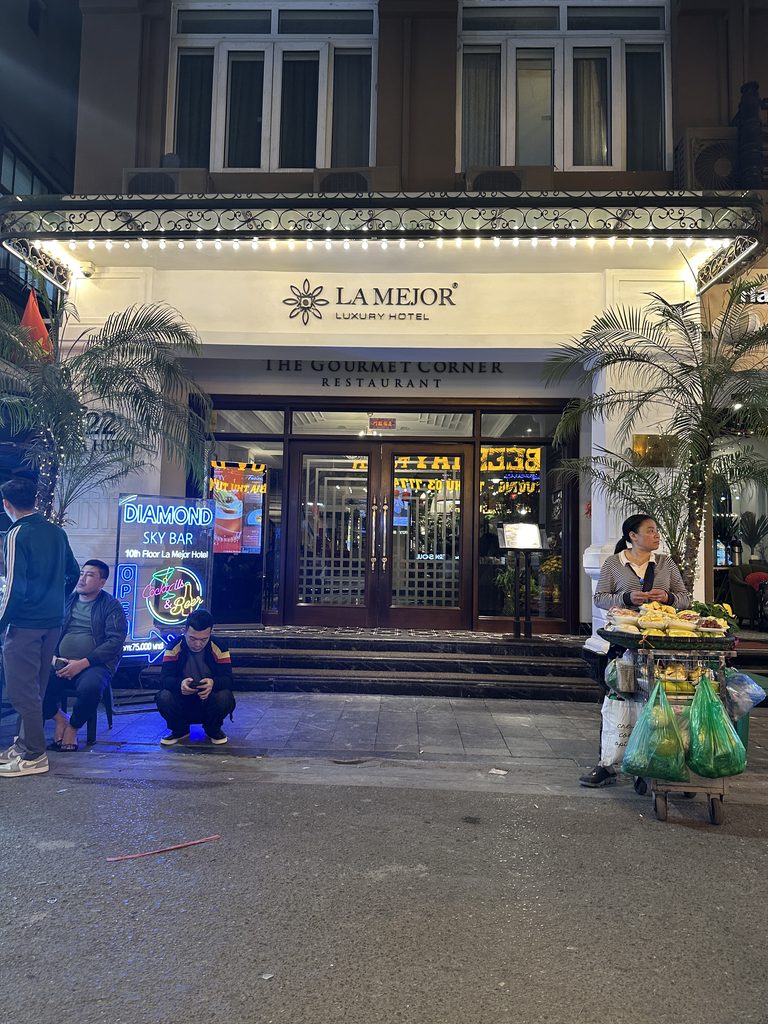
In Hanoi, I’d stay within or close to the Old Quarter on a first visit. Being able to step outside and immediately find yourself amongst the city’s street life is part of the experience. I stayed at the wonderful Le Mejor Luxury Hotel in the heart of town with a fabulous rooftop terrace.
For Ha Long Bay, your boat effectively becomes your accommodation if you choose an overnight cruise, making the choice of operator particularly important. Look carefully at the itinerary, cabin standard, group size and what is included rather than choosing purely on price.
Around Ninh Binh, staying amongst the countryside can be far more atmospheric than choosing a conventional city hotel. Small properties surrounded by limestone mountains and greenery suit the character of the area beautifully.
In Hoi An, you can stay close to the historic centre, amongst the surrounding countryside or nearer the beach. Somewhere just outside the busiest streets provides a good balance, allowing easy access to the old town without necessarily being surrounded by the evening crowds.
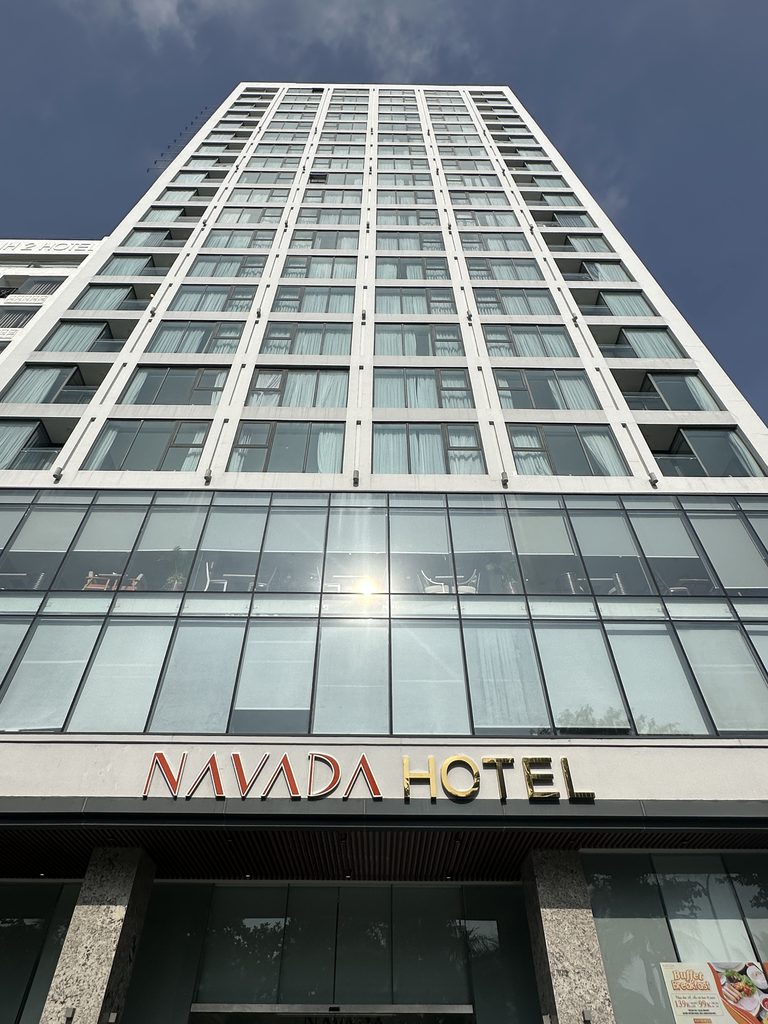
Nha Trang offers everything from large beachfront hotels to quieter resorts outside the centre. I stayed at the Navada Hotel, which provided a good base for my time in the city.
In Ho Chi Minh City, location matters because of the city’s scale. District 1 remains convenient for many first-time visitors, although staying elsewhere can provide a rather different perspective on the city.
Across the whole journey, I’d mix accommodation styles rather than staying in similar hotels every night. Vietnam offers enough variety to make where you stay part of the experience.
📷 Vietnam – Through My Lens
Vietnam was a wonderful country to photograph because the subject matter changed almost every time I moved to another destination.
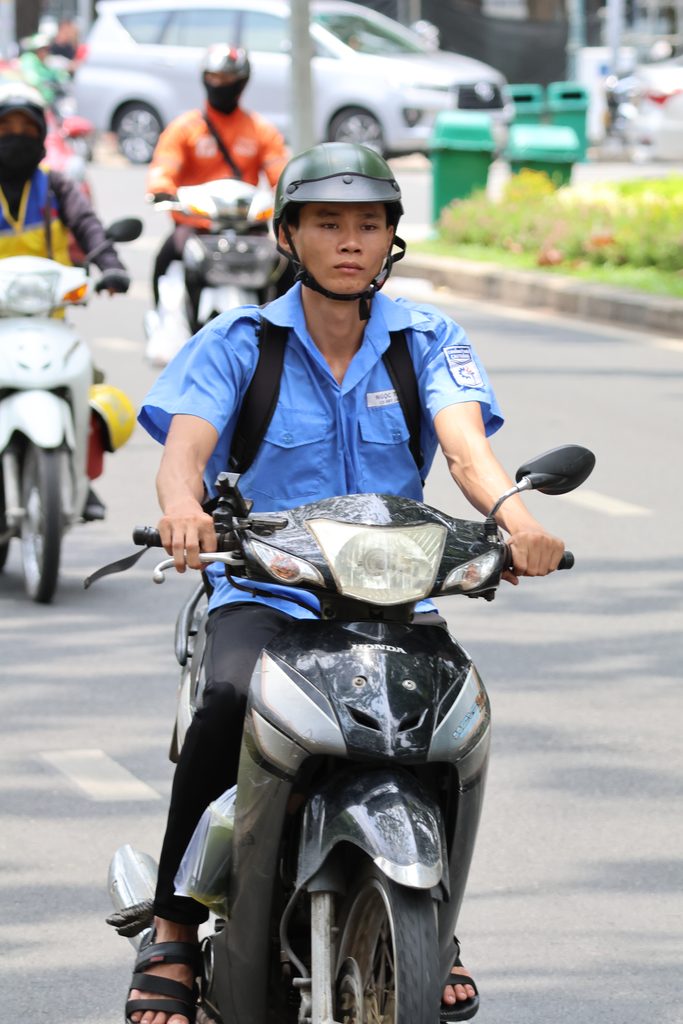
In Hanoi, it was the street life that attracted me: scooters, markets, cafés, people and the constant movement of the Old Quarter. At Ha Long Bay, everything became about scale and landscape as the limestone islands emerged from the water.
Ninh Binh provided another completely different photographic environment, with rivers, mountains, boats and green countryside, while Hoi An offered historic buildings, lanterns and beautiful evening light.
At Nha Trang, the focus shifted towards the coast, before Ho Chi Minh City brought me back to street photography, architecture and the energy of urban Vietnam.
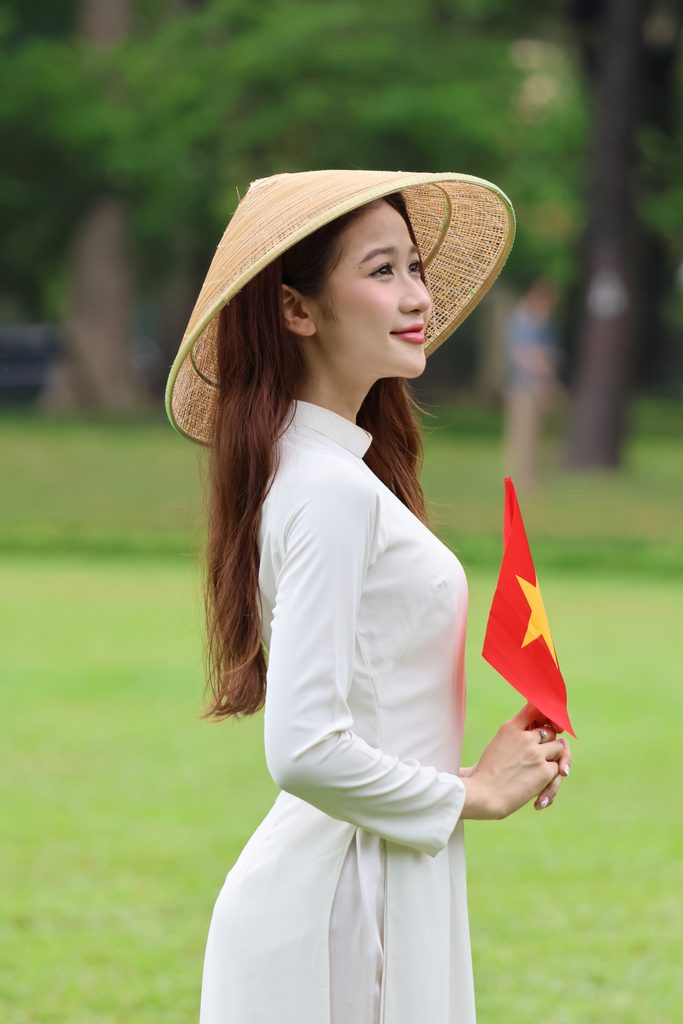
What I particularly enjoy about travel photography is that the photographs eventually become more than simply images of famous places. They remind me of smaller moments that might otherwise have disappeared from memory: a café, a market, an unexpected view, a journey or something amusing that happened along the way.
Vietnam gave me plenty of those moments and plenty of photographs to go with them.



❓ Frequently Asked Questions About Vietnam
How long should I spend in Vietnam?
I’d recommend at least two weeks for a first north-to-south journey, although closer to three weeks allows you to travel at a much more comfortable pace. Vietnam is longer than many people realise, so trying to cover Hanoi, central Vietnam and Ho Chi Minh City in ten days involves a lot of moving around.
Is Vietnam suitable for a first trip to Southeast Asia?
Yes. Vietnam has a well-developed tourism infrastructure, a wide choice of accommodation and good transport connections between the main destinations. The traffic and intensity of the larger cities can take a little getting used to, but that quickly becomes part of the experience.
Can you travel around Vietnam by train?
Yes, and I found train travel a particularly enjoyable way to experience the country. The main north-south railway connects many of Vietnam’s major destinations, although buses are useful for filling the gaps where the railway isn’t convenient.
Which is better, Hanoi or Ho Chi Minh City?
They are sufficiently different that I wouldn’t choose one over the other. Hanoi felt more traditional and atmospheric to me, while Ho Chi Minh City seemed larger, more modern and faster moving. Experiencing both was one of the advantages of travelling through the country.
Is Ha Long Bay worth visiting?
For me, yes. It is one of Vietnam’s most famous destinations and therefore busy, but the limestone landscape is extraordinary. Choosing a good cruise and allowing enough time to enjoy the scenery makes a considerable difference.
Is Ninh Binh worth visiting if I’ve already seen Ha Long Bay?
Definitely. Although both are famous for limestone scenery, the experiences are completely different. Ha Long Bay is about travelling amongst islands on the water, while Ninh Binh combines rivers, mountains, caves, rice fields and rural countryside.
How many days should I spend in Hoi An?
I’d allow at least three nights. That gives you time to experience the old town at different times of day while also exploring the surrounding countryside or coast.
Is Nha Trang worth including?
If you want to combine sightseeing with some time beside the sea, Nha Trang can work very well. It provided a useful change of pace during my own journey south.
Is Vietnamese food spicy?
Some dishes can be spicy, but Vietnamese cuisine isn’t universally hot. Fresh herbs, citrus, fish sauce, chilli and other condiments play important roles, while regional cooking varies considerably as you travel.
Is Vietnam expensive?
Vietnam can offer very good value, particularly for food and locally run accommodation, although luxury hotels, private tours and higher-end experiences can naturally increase the cost considerably.
Do I need cash in Vietnam?
Cash remains useful, particularly for markets, street food and smaller businesses. Cards and electronic payments are increasingly accepted in larger hotels, restaurants and shops, but I wouldn’t rely entirely on them.
Is Vietnam safe to travel around?
Vietnam is a well-established international tourism destination, but normal travel precautions apply. Road traffic is one of the most obvious considerations, particularly for anyone thinking about riding a scooter, and current official travel advice should always be checked before departure.
🎒 Pre-Bookable Excursions
If you’d like to arrange some of your sightseeing before travelling, there are plenty of tours and experiences available throughout Vietnam. From food tours in Hanoi and cruises around Ha Long Bay to countryside experiences around Hoi An and historical tours in Ho Chi Minh City, pre-booking can be useful for those experiences you particularly don’t want to miss.
❤️ Final Thoughts
Travelling through Vietnam from Hanoi to Ho Chi Minh City gave me exactly the sort of journey I enjoy, where the destination keeps changing and there is always something different waiting further down the road.
I began amongst the scooters, cafés and wonderfully chaotic streets of Hanoi before experiencing the limestone islands of Ha Long Bay and the beautiful countryside around Ninh Binh. Hoi An brought history, food and those famous lantern-filled evenings, while Nha Trang provided time beside the coast before the journey eventually ended amongst the energy and history of Ho Chi Minh City.
What I enjoyed most was the variety. Vietnam never felt as though I was simply repeating the same experience in another location. Each stop had its own atmosphere, landscapes and food, while travelling between them by bus and train meant I also experienced some of the country that lies between the headline destinations.
There are still significant parts of Vietnam I haven’t explored. Hue, the mountains of the north, Phong Nha and the Mekong Delta are amongst the places that could easily tempt me back, but I don’t feel any need to pretend I’ve seen everything. One of the pleasures of travelling is coming home knowing there is still more to discover.
Looking back at my photographs, some of my strongest memories aren’t necessarily attached to the famous sights anyway. They are the everyday moments in between: watching the world go by from a café, navigating the streets of Hanoi, looking through a train window as the landscape changed, wandering through Hoi An or simply discovering what was going to arrive on the plate in front of me.
Vietnam was colourful, fascinating, occasionally hectic and constantly interesting. Travelling overland from north to south allowed me to experience just how much the country changes along the way, and I came home feeling that I had finally discovered Vietnam while still having plenty of reasons to return.