

Touching down in Hanoi, it wasn’t the heat or the traffic that struck me first—it was the energy. Mopeds zigzagged through the streets in a blur, the scent of sizzling street food filled the air, and layers of history seemed to reveal themselves on every corner of this chaotic, charismatic, and oh-so-charming capital of Vietnam.
With direct flights from London taking just 11–12 hours, Hanoi is surprisingly accessible for UK travellers, yet feels a world away the moment you arrive.
On the drive from the airport into the city centre, I shared a taxi with two young, budget-conscious, party loving travellers at the start of their gap year. Their excitement was off the charts—just like mine. While my days of hostel dorms and four a.m. returns may be behind me, my passion for exploration is stronger than ever.
It was time for me to say: Hello, Hanoi!
Quick Guide to Hanoi
- Best Time to Visit:
Autumn (October–November) and Spring (March–April) for mild weather and clear skies. - Currency:
Vietnamese đồng (VND). ATMs are widely available, and most places accept cash. - How Long to Stay:
3–4 days is ideal to explore the Old Quarter, Hoàn Kiếm Lake, and nearby day trips like Hạ Long Bay or Ninh Bình. - Average Daily Costs:
- Budget travellers:
£20–£30 per day (hostels, street food, public transport). - Mid-range:
£40–£80 per day (3–4 star hotels, mix of local and international dining). - Luxury:
£100+ per day (high-end hotels, private tours, fine dining).
- Budget travellers:

Best Time of Year to Visit Hanoi
The best time of year to visit Hanoi is during autumn (October–November) and spring (March–April), when the weather is mild, skies are clear, and the city is at its most vibrant. These months are ideal for sightseeing, exploring the Old Quarter, and enjoying Hanoi’s outdoor cafés and lakes.
Hanoi’s charm shifts with the seasons, offering something unique year-round: spring (March–April) brings mild temperatures and blooming flowers, autumn (October–November) is often hailed as the best time with golden leaves and clear skies, summer (May–September) is hot, humid, and rainy yet rewards with lush landscapes and fewer crowds, while winter (December–February) offers a cooler, calmer atmosphere.
Personally, I loved visiting in early May, when the city, whilst warm, felt both alive and easy to explore.
Where to Stay in Hanoi: La Mejor Luxury Hotel Review
After a long flight from London, nothing beats checking into a hotel that feels like a home away from home — and in the heart of Hanoi, La Mejor Luxury Hotel did just that. Conveniently located on Tạ Hiện (nicknamed Beer Street) in the Old Quarter, it offered the perfect balance of modern comfort and traditional Vietnamese charm.
The rooms are elegantly designed, with plush bedding, tasteful décor, and thoughtful touches that made my stay very special. The staff went above and beyond to ensure my visit was memorable, offering friendly tips on navigating the city and discovering hidden gems.
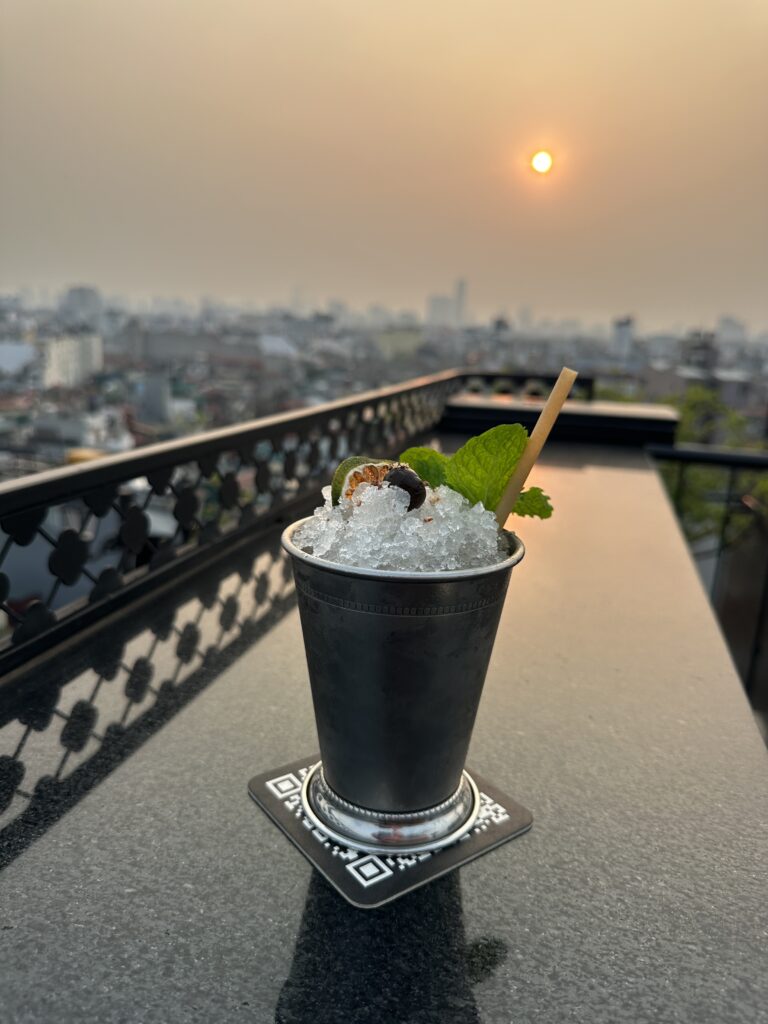
One of my favourite spots was the rooftop terrace, where panoramic views of Hanoi stretched out below. Watching the city lights twinkle while enjoying one of the hotel’s signature cocktails — the aptly named Hanoi Mule — was the perfect way to start my holiday.


Getting Around Hanoi: Tips for First-Time Visitors
Getting around Hanoi is an adventure in itself. Walking is ideal for exploring the Old Quarter and Hoàn Kiếm Lake. The city’s traffic is famously chaotic, but once you get used to it, it’s surprisingly manageable. Crossing the street is an experience that can feel daunting at first but take my advice and do as the locals do: raise your hand and keep walking — it actually works!
For longer distances, taxis are affordable and convenient. I was recommended to download the Grab app, which is widely used throughout Southeast Asia.
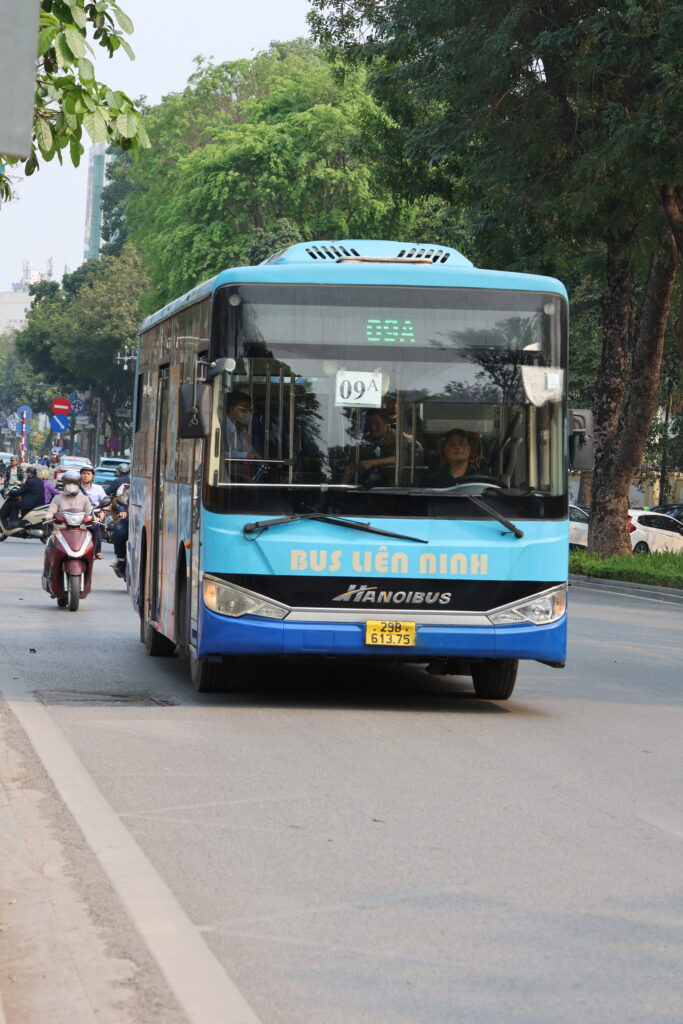
For a more traditional experience, cyclo rides (pedal-powered rickshaws) offer a leisurely way to see the city, particularly around the Old Quarter. Motorbike taxis are another option for the brave, though helmets are essential. While public buses are very cheap, they can be tricky for first-time visitors.
For me, the combination of walking and Grab rides was by far the easiest and most comfortable way to get around Hanoi.

Top Things to Do in Hanoi’s Old Quarter
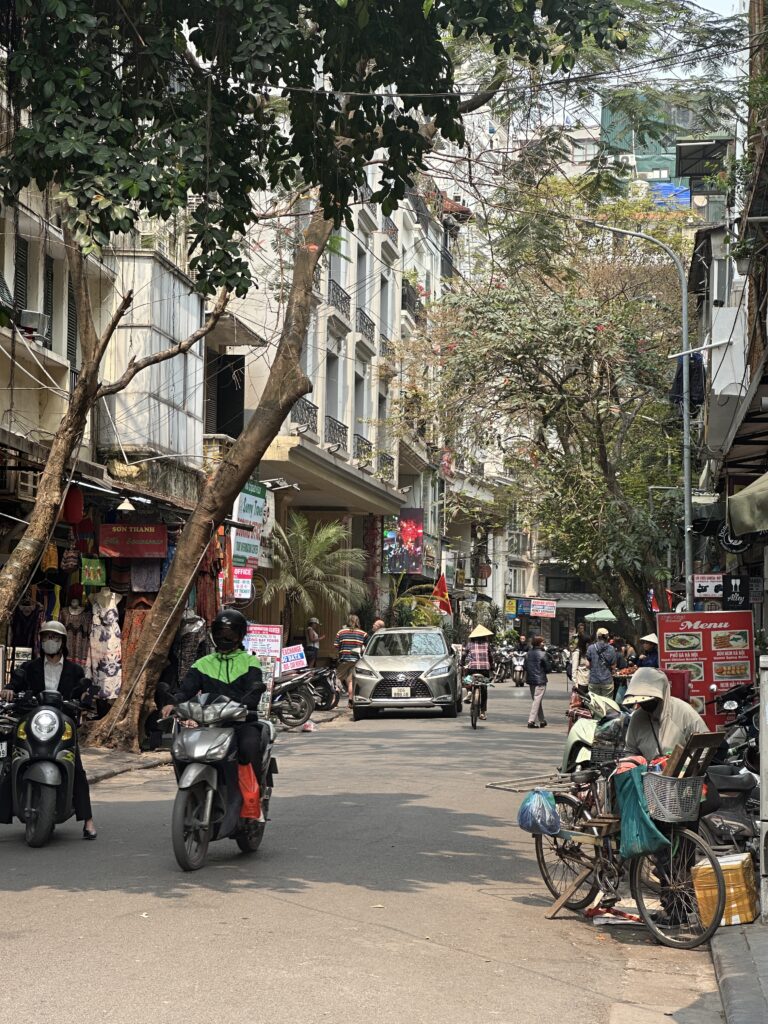
Exploring Hanoi’s Old Quarter is like stepping back in time. Its maze of narrow streets, each historically tied to a trade, is filled with bustling markets, street food stalls, and a mix of French colonial and traditional architecture.
I particularly enjoyed the magnificent St Joseph’s Cathedral, a gorgeous 19th-century building modelled on the Notre Dame in Paris. Also worth a visit is the Opera House, which is located close to the very classy Tràng Tiền Plaza, home to top luxury brands like Cartier, Boss and Gucci.

Hàng Gai (“Silk Street”) is perfect for high-quality silk. Hanoi’s artisan scene includes ceramics from Bát Tràng, hand-embroidered textiles, Nón Lá hats, and the city’s renowned coffee and tea. Bargaining is part of the fun in markets, while boutiques and traditional shops provide fixed prices.
I found wandering around without any set plan was the best way to soak up the sights, sounds, and smells and truly experience those hidden, authentic areas of the city.

Hoàn Kiếm Lake: Hanoi’s Iconic Landmark
Just a short stroll from the Old Quarter sits Hoàn Kiếm Lake, Hanoi’s most cherished landmark and a peaceful green oasis at the very centre of the city.
At dawn, locals, not middle aged British bloggers I hasten to add, gathered here to practise tai chi. By day, couples wander hand in hand and families come to relax, while the occasional wedding party was observed capturing photos of their precious day against the scenic backdrop. It takes a good hour to stroll around the lake, so do as I did and stop at one of the coffee stalls and watch the world go by.
The lake is also wrapped in legend. According to folklore, Emperor Lê Lợi was gifted a magical sword by the gods to defeat foreign invaders, which he later returned to a sacred turtle living in the waters — hence the name “Lake of the Returned Sword.” As a wildlife nut, I spent some time looking for that turtle – maybe you will have better luck!
Further highlights include the scarlet Húc Bridge, which arcs across the water to the Ngọc Sơn Temple on a tiny island. After dark, the bridge is beautifully illuminated, with its reflection shimmering on the lake.

Hanoi History, Art & Culture Highlights
No visit to Hanoi is complete without exploring its rich modern history. The city’s museums and landmarks offer an insight into Vietnam’s struggle for independence. Highlights include the Ho Chi Minh Mausoleum, Hỏa Lò Prison (the “Hanoi Hilton”), the Vietnamese Women’s Museum, the Imperial Citadel of Thăng Long, and the Vietnam Military History Museum. Together, these sites provide essential context, showing that Hanoi is more than just bustling streets and cafés.
Hanoi is also a vibrant centre of traditional arts and culture. Examples include the captivating Water Puppet Theatre and Ca Trù music.

Hanoi Train Street: A Must-See Attraction
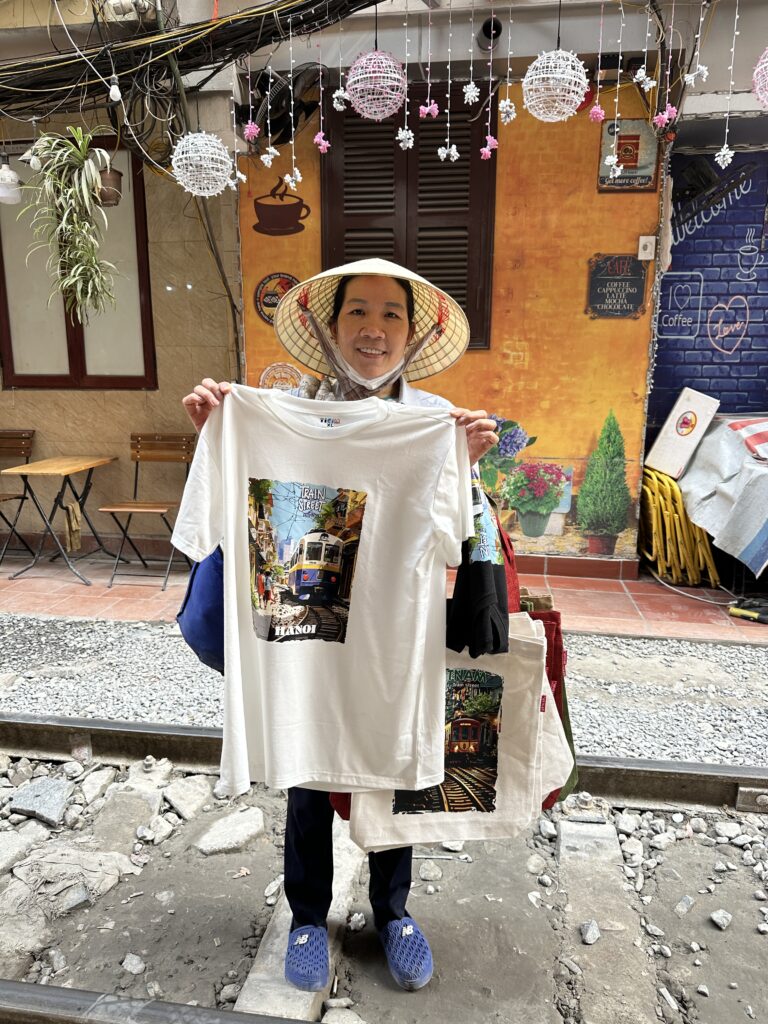
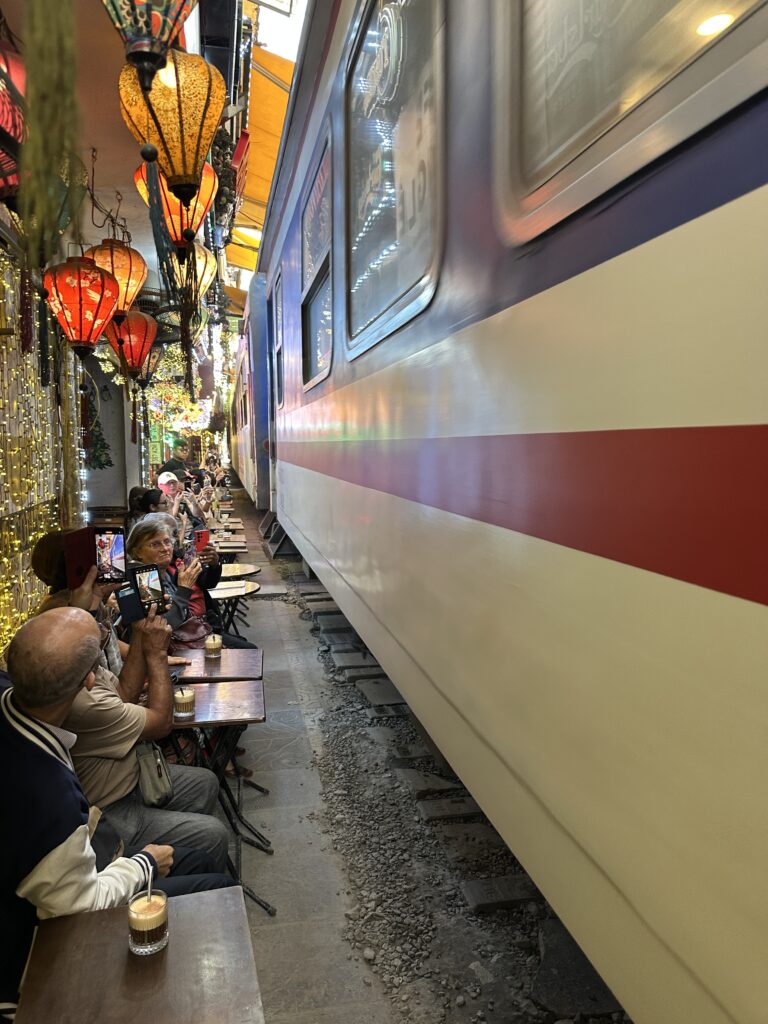
Few places in the world can match the drama or excitement of Hanoi’s Train Street, where café culture collides with one of the city’s quirkiest attractions. Tucked away in the Old Quarter, this narrow stretch of track has become one of Hanoi’s most photographed spots.
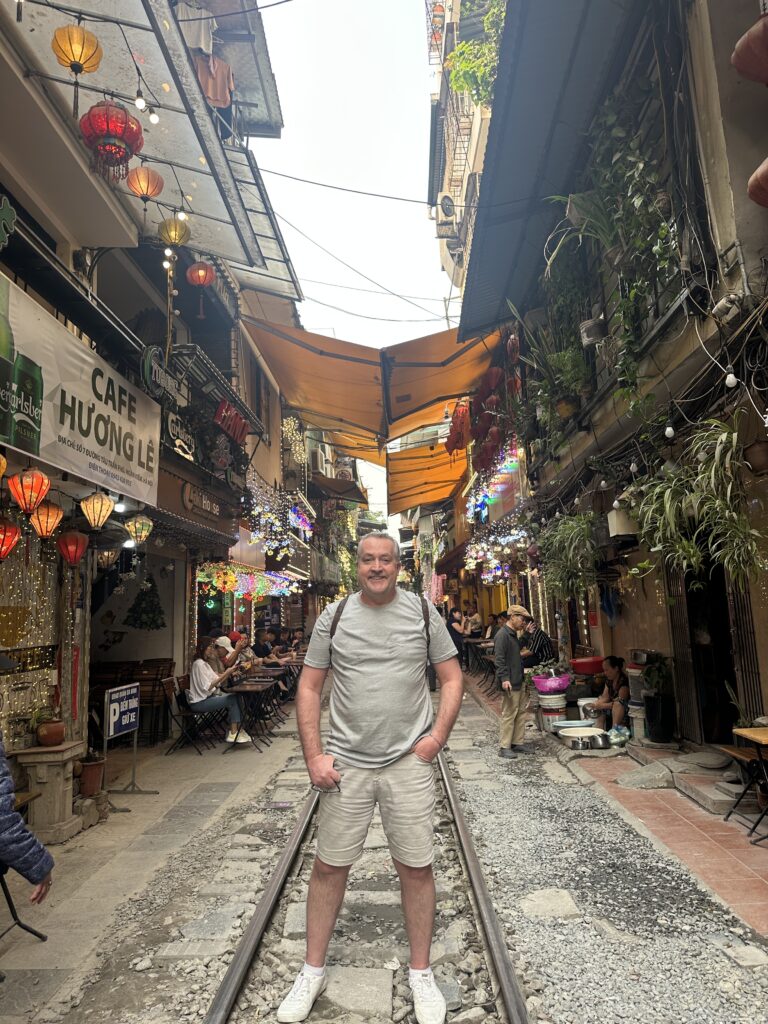
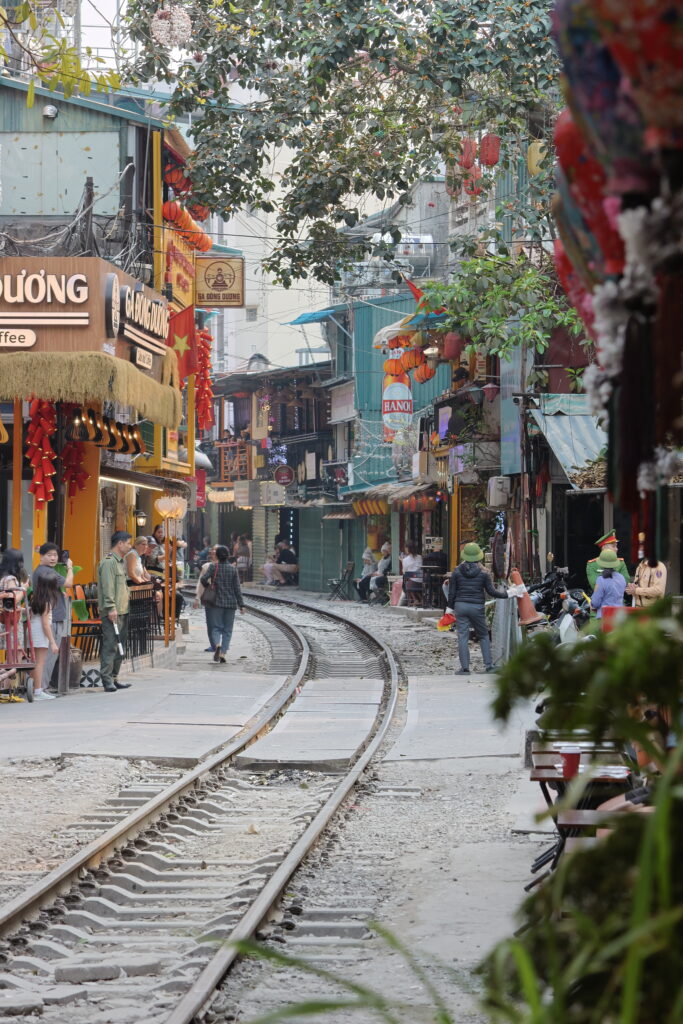
Since trains don’t always run on time, check with your hotel to understand the day’s schedule. You should then aim to be there 30-45 minutes before the street transforms in preparation for the train thundering through.
The best way to soak up the atmosphere is from one of the family-run cafés that line the tracks. Not only will they serve you a strong Vietnamese coffee, but they’ll also give you a friendly heads-up when the next train is due. And if you wander a little too close to the tracks, don’t be surprised by the piercing shriek of a police whistle reminding you to step back — safety first, thrill second!
Hanoi Street Food & Local Markets
Hanoi is a street-food paradise, perfect for travellers who love to eat their way through a city. At bustling markets like Đồng Xuân, sizzling stalls serve phở, grilled meats, fresh spring rolls, and other local favourites, while smaller neighbourhood markets such as Chợ Hôm and Long Biên offer a glimpse into everyday Hanoi life.
Must-Try Hanoi Dishes
- Phở – iconic noodle soup
- Bún chả – grilled pork with noodles
- Bánh mì – French-inspired baguette sandwich
- Cà phê trứng – Hanoi’s famous egg coffee
Joining a food tour is a great way to discover hidden gems and experience the city’s flavours like a local.
Hanoi Nightlife: From Beer Street to Rooftop Bars
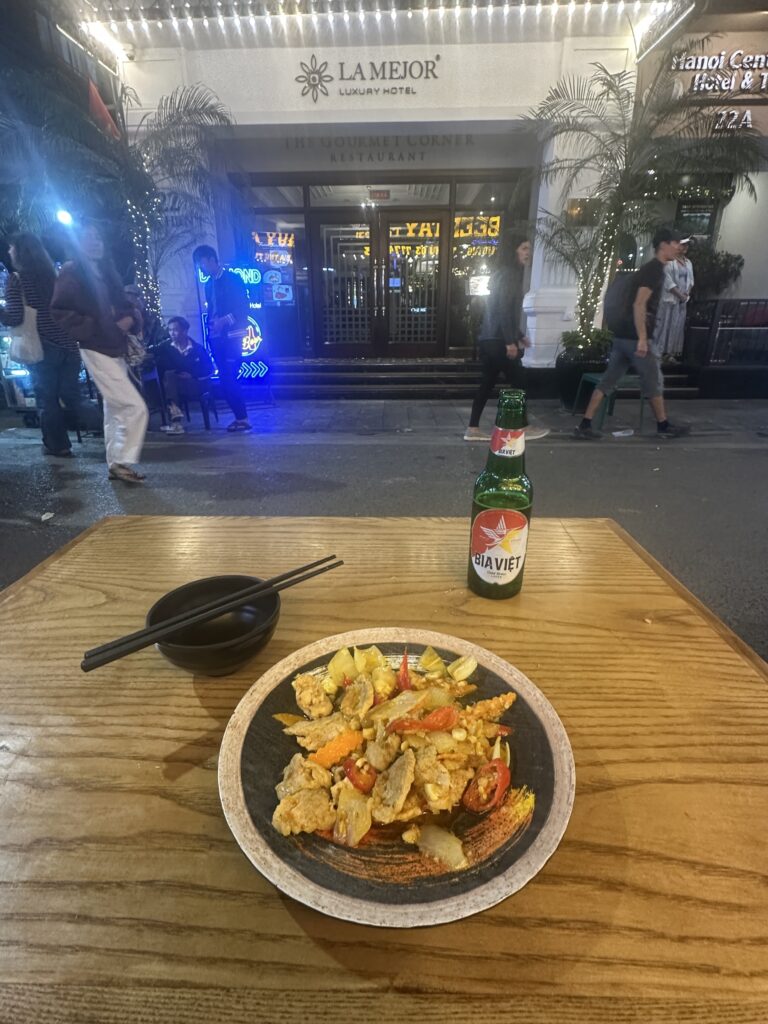
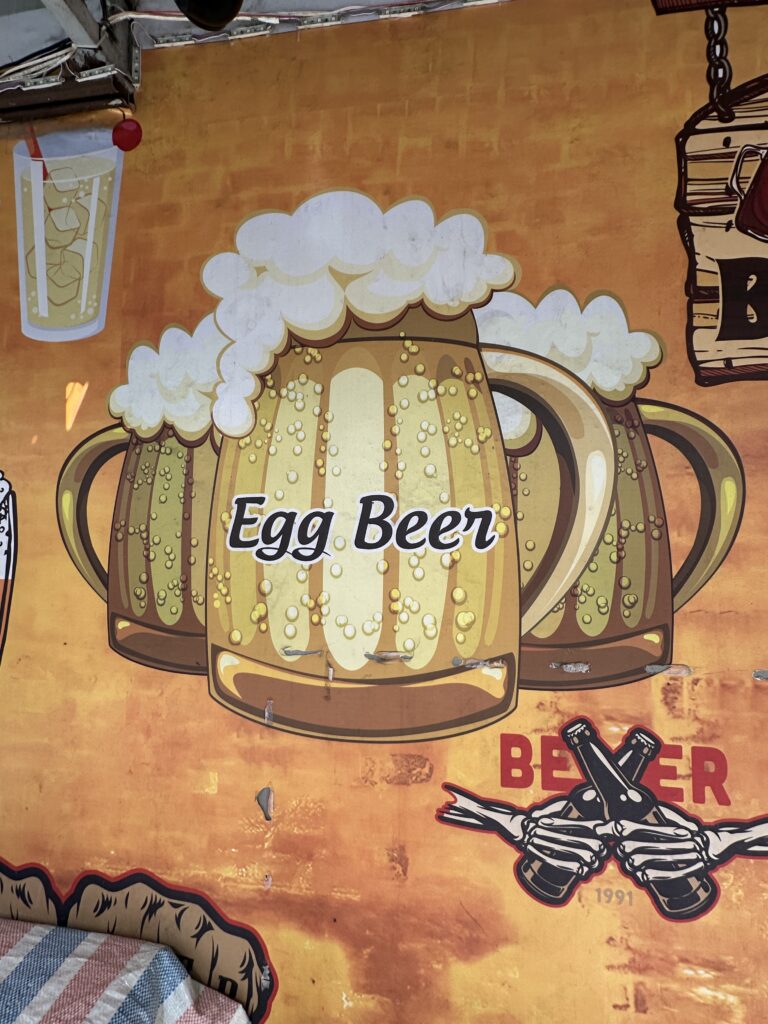
When the sun goes down, Hanoi’s nightlife comes alive — especially in the Tạ Hiện Beer Street area of the Old Quarter. Here, the tiny pavements fill with rows of plastic stools as both locals and tourists gather to drink bia hơi (fresh beer) that costs less than a pound a glass.
It’s lively, noisy, and wonderfully chaotic. Street musicians add to the atmosphere, and you’ll often find yourself chatting with fellow travellers at the next table. Alongside beer, there are endless food stalls and bars serving everything from grilled skewers to western snacks.
For those looking for something a little more refined, Hanoi also has plenty of rooftop bars with stunning views over the city, as well as sophisticated cocktail lounges. But Beer Street is where you’ll find the beating heart of Hanoi after dark.

Best Day Trips from Hanoi: Halong Bay & Ninh Binh
Hanoi is a fantastic city break on its own, but it’s also the perfect base for exploring northern Vietnam. During my time I took the opportunity to visit a couple of fabulous destinations on the tourist route:
Hạ Long Bay – Just 2–3 hours from Hanoi, this UNESCO World Heritage Site is famous for its emerald waters and dramatic limestone cliffs. I took an overnight stay on La Regina Cruises, which was the perfect way to experience some quite breathtaking scenery. There was fine dining, cooking classes, and even late-night squid fishing off the back of the boat – not that I caught anything but it was still fun!
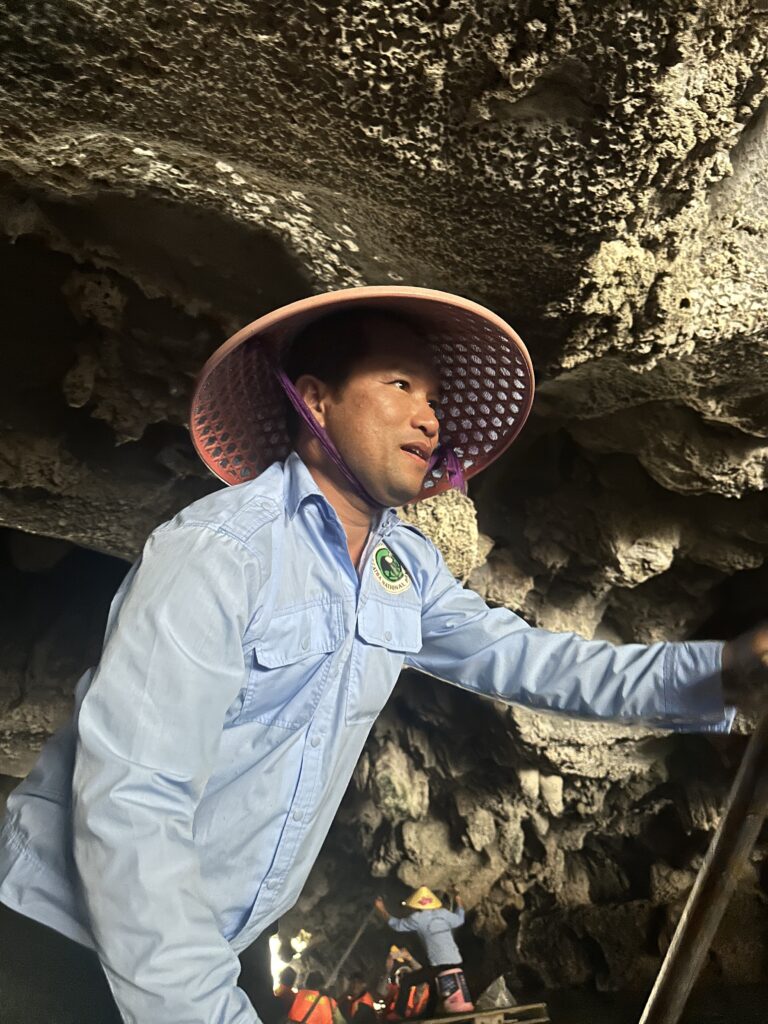
Ninh Bình – Often called “Hạ Long Bay on land”, this region features limestone karsts, rice paddies, and riverboat trips through caves and temples. About two hours south of Hanoi, I stayed in the backpackers’ haven of Tam Cốc, which has a really cool laid back vibe.


Frequently Asked Questions About Visiting Hanoi
1. What is the best way to get from Hanoi Airport to the city centre?
The easiest way is to book a taxi or use the Grab app, which works like Uber and is reliable. Travel time is around 40–50 minutes depending on traffic. Shuttle buses also run from Nội Bài Airport to the Old Quarter.
2. Is Hanoi safe for solo travellers?
Yes, Hanoi is generally safe for solo travellers, including women. Petty theft can occur in crowded areas, so keep an eye on your belongings. The city is friendly, walkable, and easy to navigate with apps like Google Maps and Grab.
3. How many days do you need in Hanoi?
Three to four days is ideal to explore the Old Quarter, Hoàn Kiếm Lake, Train Street, and key museums, with time for a day trip to either Hạ Long Bay or Ninh Bình.
4. What food is Hanoi famous for?
Hanoi is known for its street food. Must-try dishes include phở (noodle soup), bún chả (grilled pork with noodles), bánh mì (Vietnamese baguette sandwich), and cà phê trứng (egg coffee).
5. Do I need cash in Hanoi?
Yes, cash in Vietnamese đồng (VND) is essential for street food, markets, and small shops. ATMs are common, and larger hotels and restaurants also accept cards.


Final Thoughts
Hanoi is a city of contrasts: frenetic yet peaceful, traditional yet modern, chaotic yet charming. From sipping egg coffee on Train Street to exploring the timeless Old Quarter, every day brought a new adventure. This amazing city swept me up, spun me around, and left me longing for more — and not just for those rooftop cocktails!
If you’re planning your first Hanoi trip, this travel guide shows why there are so many unforgettable things to do in Hanoi.
Contact for More Information
- Website: Vietnam National Administration of Tourism
- Phone: +84 24 3944 3760
- Address: Vietnam National Administration of Tourism, 80 Quan Su, Hoan Kiem District, Hanoi, Vietnam
For official travel advice, maps, and up-to-date event information, visit the Hanoi Tourism Office:
Tip: Local hotels and guesthouses in Hanoi also provide free tourist maps and information on walking tours, day trips, and cultural events.
Author
Rupert Diggins is an award-winning UK travel writer, blogger, and the founder of www.justonefortheroad.com