
✈ Start Here – Japan Guide
- Introduction To Japan
- Key Information For Japan
- Best Cities and Destinations in Japan
- Getting Around Japan
- Best Things to Do in Japan
- Best Time To Visit Japan
- Travel Tips for Japan
- Suggested Japan Itinerary
- Where To Stay In Japan
- Pre-Bookable Excursions
- Japan – Through My Lens
- Frequently Asked Questions About Japan
- Final Thoughts
📍Map Of Japan
🧭Introduction To Japan
Japan had never really been on my travel radar, until the country hosted the Rugby World Cup back in October 2019. When my name was pulled from the ballot for match tickets, it was time to search for flights to Tokyo and start planning my trip.
I reached out to friends with far more experience in Japan, and soon I had a list of must-visit cities, hidden gems, and unique experiences that promised an unforgettable journey.
While I love seeing iconic sights, my favourite part of travelling has always been exploring off the beaten track—wandering through villages and discovering corners of a country that most tourists never see. Group tours have never appealed to me; experiencing a place firsthand is what travel is all about.
That trip turned out to be one of the most eye-opening adventures of my life. Japan challenged my expectations, made me reflect on life and showed me that this incredible country isn’t just for retirees marvelling at bonsai trees or cherry blossoms. It’s a destination for everyone: families, couples, nature lovers, foodies, party-goers, and adventurers alike.
🔑Key Information for Japan
| Continent: | Asia |
| Capital: | Tokyo |
| Currency: | Japanese Yen |
| Language: | Japanese |
| Visa: | Check official UK travel advice before travelling |
| Health: | Follow current travel vaccination guidance |
| Tourist Information: | Japan National Tourist Board Website |
| Best Time To Visit Japan: | All Year but especially March to May (Cherry Blossum Season) |
| Flight Time from the UK: | 13 Hours |
🌆Best Cities and Destinations in Japan
Japan is home to a wide range of cities, islands, and historic destinations. Each location offers a unique experience, from ancient temples and traditional neighbourhoods to ultra modern skylines and vibrant nightlife.
Whether you are planning your first visit or returning to explore more, these destinations showcase some of the very best of Japan.
Tokyo
Explore the bustling streets of Tokyo, where futuristic skyscrapers sit alongside historic temples and peaceful gardens.
Top attractions include:
Tokyo Tower
Sensō-ji
Meiji Shrine
Tokyo is perfect for shopping, food, nightlife, and experiencing Japan’s fast paced modern culture.
Kyoto
Experience traditional Japanese culture in Kyoto, famous for its temples, shrines, tea houses, and beautifully preserved historic districts. This was my favourite city in Japan.
Must visit attractions include:
Kinkaku-ji
Fushimi Inari Taisha
Arashiyama Bamboo Grove
Kyoto offers a slower pace and is ideal for travellers wanting to experience historic Japan.
Osaka
Experience the lively energy of Osaka, famous for nightlife, entertainment, and incredible street food.
Popular attractions include:
Dotonbori
Umeda Sky Building
Osaka is one of the best cities in Japan for food lovers and evening entertainment.
Kobe
Visit Kobe, a stylish port city known for its food culture and scenic waterfront.
Top experiences include:
Kobe Chinatown
Meriken Park
Kobe Port Tower
Kobe is especially famous for its world renowned beef and relaxed harbour atmosphere.
Yokohama
Just south of Tokyo, Yokohama is a modern port city known for its waterfront views and international influence.
Highlights include:
Minato Mirai skyline and harbour area
Yokohama Chinatown
Cosmo World amusement area
It is a great day trip or overnight stay from Tokyo.
Hiroshima
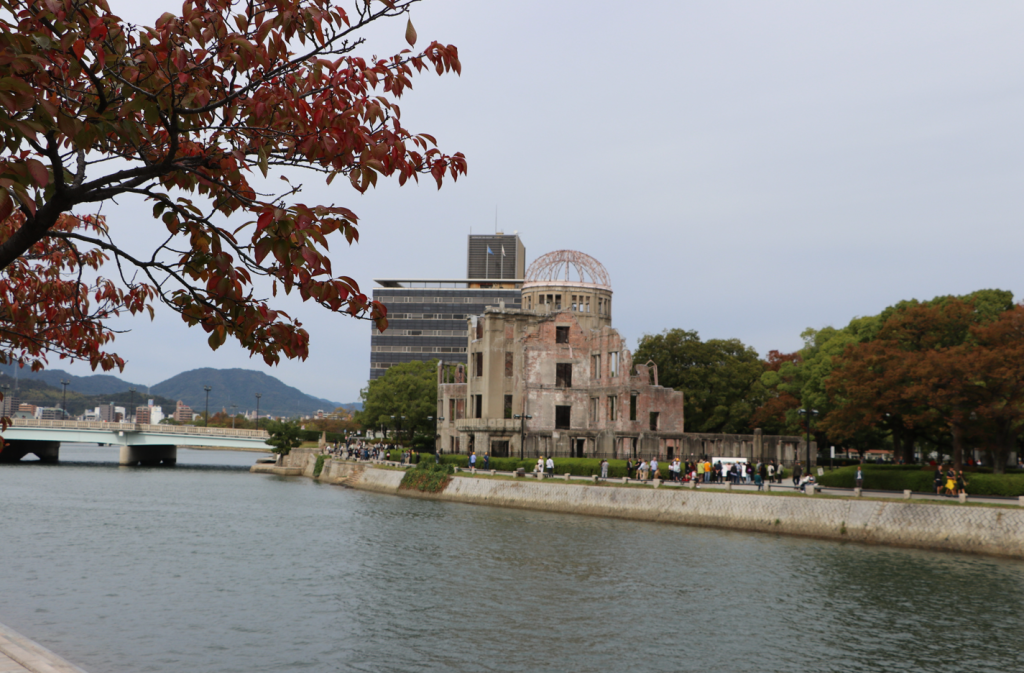
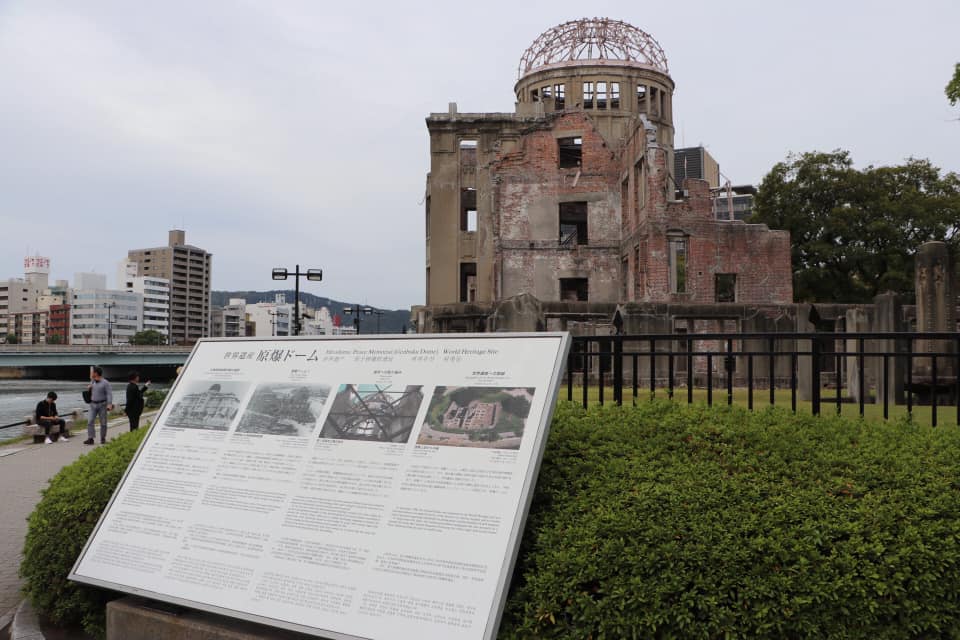
Visit Hiroshima, a city known for its powerful history and peaceful modern atmosphere.
Key sites include:
Hiroshima Peace Memorial Park
Atomic Bomb Dome
Hiroshima also offers access to nearby islands and beautiful coastal scenery.
Fukuoka
Discover Fukuoka on Kyushu island, a relaxed coastal city famous for food and festivals.
Top experiences include:
Hakata ramen and street food stalls
Ohori Park
Coastal beaches and modern shopping districts
Fukuoka blends city life with a laid back coastal feel.
Lake Kawaguchiko
Located in the Fuji Five Lakes region, Lake Kawaguchiko is one of the most popular spots to admire Mount Fuji. This scenic area is known for its stunning lake views, relaxing atmosphere, and some of the best photo opportunities of Japan’s most iconic mountain.
Top things to do include:
Take a cruise on the lake with views of Mount Fuji
Ride the Mt. Fuji Panoramic Ropeway for sweeping viewpoints
Relax in lakeside onsen with mountain scenery
Visit during cherry blossom season or autumn for spectacular colours
🚗Getting Around Japan
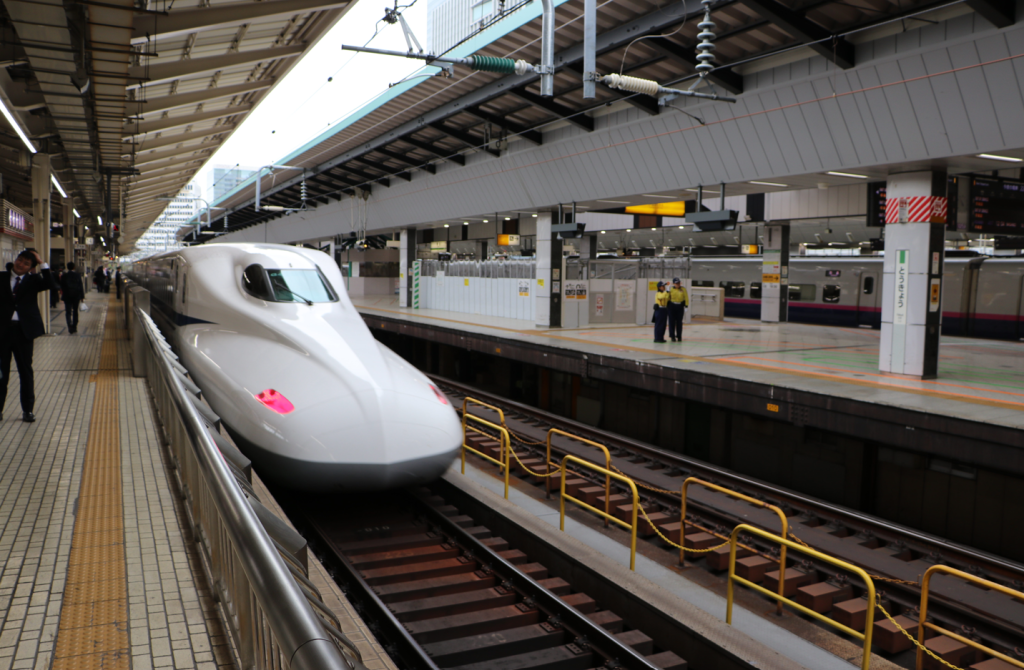
Travelling in Japan can seem daunting at first, but once you experience the 320 kph Shinkansen, or bullet train, all initial worry quickly turns into excitement and admiration. The precision of the network and the quality of the trains are truly impressive.
Tokyo is served by two major airports, Narita and Haneda. Both are well-organized, spacious and efficient. On my visits, I found that within half an hour of landing I was on my way to the city using buses or trains.
Domestic flights in Japan are also straightforward and affordable. I booked through portals such as Skyscanner and flew on Skymark Airlines, which is similar to Easyjet or Ryanair, serving a good selection of regional airports. Most regional flights depart from Haneda, while Narita handles most international traffic.
Getting around Tokyo itself can feel intimidating, particularly when navigating the metro. The trick is finding the correct platform, but once on board the trains you will see why Japanese orderliness is famous. Passengers form neat queues at the platform, guided by floor signs, and boarding is effortless. I recommend buying a Suica card, similar to a London Oyster card, which works on metro trains, buses, and even at convenience stores for snacks or drinks.
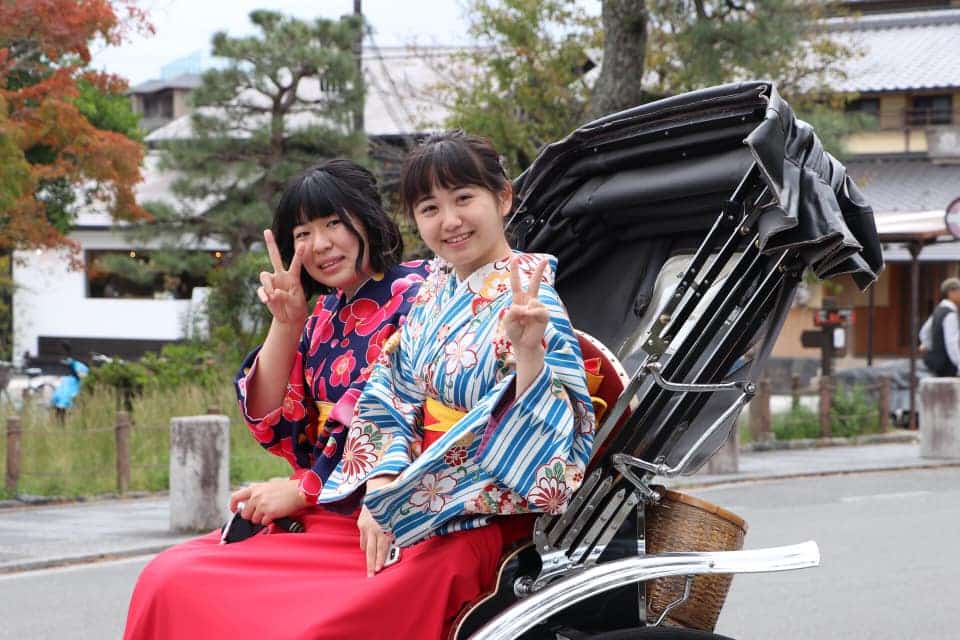
Buses are equally easy to use, with clear signage and electronic guidance on board, although English may be limited. A fun and unique way to explore parts of Tokyo and Kyoto is by traditional rickshaw, which is particularly memorable in historic districts and costs around 3000 yen.
Taxis are plentiful, but note that the rear nearside door opens automatically, which can take some getting used to. Most drivers do not speak English, so it helps to have a map or ask your hotel concierge for directions. You will quickly come to rely on hotel staff for travel guidance.
For longer journeys, the Japan Rail Pass is essential. Available only to international travellers, it offers unlimited travel on most Japan Railways trains, including the Shinkansen, as well as certain buses and the Miyajima ferry. Passes are available for seven, fourteen or twenty-one days and start at around £225 for seven days. Be sure to purchase in advance and activate it when ready to travel.
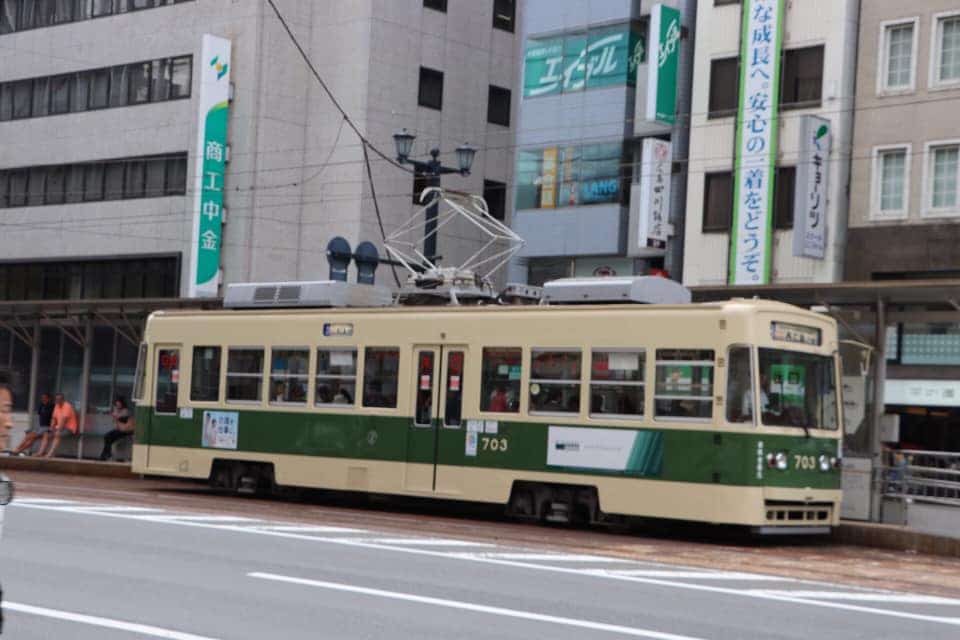
Finally, the Tokyo Sakura Tram, also called the Toden, is the city’s last remaining tram line. It runs from Minowabashi Station to Waseda Station, covering 12.2 km with thirty stations, offering a charming glimpse of the city beyond the subway.
✔Best Things To Do In Japan
Japan offers unforgettable experiences ranging from ancient traditions and cultural performances to cutting edge technology and breathtaking natural landscapes.
Whether you are exploring major cities or heading into rural regions, every part of the country offers something completely unique.
Traditional Culture & Performances
Japan’s cultural heritage is one of the richest in the world, with traditions that are still very much alive today.
Attend a traditional sumo wrestling match in Tokyo or Osaka
Experience classical Japanese performing arts such as Kabuki theatre and Noh theatre
Discover the ancient art of bonsai at Omiya Bonsai Art Museum in Saitama
These experiences offer a deeper understanding of Japan’s history and traditions.
Food & Culinary Experiences
Japanese cuisine is one of the highlights of any visit, ranging from casual street food to refined dining.
Take a sushi making class in Tokyo or Osaka
Enjoy a traditional kaiseki multi course meal
Stay in a ryokan and experience seasonal Japanese hospitality and cuisine
Food in Japan is not just a meal, it is an experience in itself.
Onsen & Relaxation
Japan’s onsen culture is perfect for relaxation after exploring busy cities.
Soak in natural hot springs in scenic mountain or coastal regions
Stay in a traditional ryokan with tatami rooms and futon bedding
Experience outdoor rotenburo baths surrounded by nature
Onsen towns can be found throughout the country and are ideal for unwinding.
Scenic Travel & Iconic Journeys
Travelling around Japan is fast, efficient and incredibly scenic.
Ride the Shinkansen bullet train between Tokyo, Osaka, Hiroshima and Fukuoka
Watch the scenery change from city skylines to mountains and coastline
Enjoy views of Mount Fuji on clear days from train routes or Lake Kawaguchi
Japan’s transport system is an experience in itself.
Temples, Shrines & Sacred Sites
Japan is home to some of the most iconic spiritual and cultural landmarks in the world.
Walk through thousands of red torii gates at Fushimi Inari Taisha in Kyoto
Visit the floating torii gate at Itsukushima Shrine on Miyajima Island
Explore peaceful temple grounds across Kyoto and Nara
These sites are both visually stunning and culturally significant.
Nature & Scenic Landscapes
Beyond the cities, Japan offers incredible natural beauty and outdoor experiences.
Witness the majesty of Mount Fuji, Japan’s most iconic peak
Explore national parks in Hokkaido with wildlife, lakes and hot springs
Relax in traditional Japanese gardens such as Kenrokuen in Kanazawa and Ritsurin Garden in Takamatsu
Each region of Japan offers a completely different natural landscape.
🌞Best Time To Visit Japan
Japan is a year-round destination, with each season offering something different for travellers. From the famous cherry blossom displays of spring to colourful autumn foliage and snow-covered landscapes in winter, there is never really a bad time to visit. The best time for your trip will depend on what you want to experience.
Spring (March to May)
Spring is widely considered the most beautiful time to visit Japan. Across the country the famous sakura (cherry blossoms) burst into life, turning parks, temples and riverbanks into seas of pink and white.
Cities like Tokyo and Kyoto are particularly magical during this time, although it is also the busiest season for tourism. Temperatures are mild and comfortable, making it perfect for sightseeing.
Summer (June to August)
Summer in Japan can be hot and humid, particularly in the major cities. However, this is also the season of colourful festivals (matsuri), fireworks displays and lively street celebrations.
If you prefer cooler weather, head north to Hokkaido, where temperatures are more pleasant and the landscapes are spectacular.
Autumn (September to November)
Autumn is another fantastic time to visit Japan. The intense summer heat fades and the countryside transforms into vibrant shades of red, orange and gold.
Destinations such as Kyoto, Nara and Kanazawa are especially beautiful during the autumn foliage season.
Winter (December to February)
Winter in Japan offers a completely different experience. Northern regions such as Hokkaido are famous for their deep powder snow and excellent skiing.
Even in the cities, winter travel can be enjoyable with fewer tourists and the chance to relax in traditional onsen hot springs while surrounded by snow-covered scenery.
💡Travel Tips for Japan
A few simple tips can make your trip to Japan smoother and more enjoyable.
- Cash is still widely used, especially in smaller towns, so it is worth carrying some yen alongside your card
Public transport is extremely efficient, and trains are the easiest way to get between cities
A prepaid IC card such as Suica or Pasmo makes travel on trains, buses, and even some shops much easier
English is not always widely spoken outside major cities, but signs are usually clear and easy to follow
Convenience stores are excellent for quick meals, snacks, and essentials while travelling
Etiquette is important in Japan, so be mindful of quiet behaviour on public transport and follow local customs
Wi Fi is widely available, but a pocket Wi Fi or SIM card is useful for constant connectivity
Shoes are often removed when entering homes, traditional accommodation, and some temples
📅Suggested Japan Itinerary
Day 1 – 3: Toyko
Start your journey in Japan’s vibrant capital. Spend a few days exploring the different districts:
Tokyo Tower and skyline views
Senso-ji Temple in Asakusa
Meiji Shrine in Harajuku
Shibuya Crossing and the neon lights of Shinjuku.
Tokyo is the perfect introduction to Japan’s blend of tradition and modern life.
Day 4: Yokohama (Day Trip from Tokyo)
Just 30 minutes south of Tokyo lies Yokohama, Japan’s second largest city. Highlights include:
Yokohama Chinatown
Minato Mirai
The historic port district
Return to Tokyo for the evening.
Day 5: Mount Fuji & Lake Kawaguchi
Travel from Tokyo to the Fuji Five Lakes region to see Japan’s most famous landmark. Base yourself around Lake Kawaguchi, one of the best places to see Mount Fuji. Things to do:
Scenic lake cruise
Cable car viewpoints
Walking trails around the lake
Stay overnight for the best chance of clear Fuji views.
Day 6–7: Kyoto
From Tokyo take the Shinkansen to Kyoto, Japan’s cultural heart. Top sights include:
Kinkaku-ji
Fushimi Inari Shrine
Arashiyama Bamboo Grove
Kyoto offers a glimpse into traditional Japan with temples, tea houses and historic streets.
Day 8: Osaka
Just 15 minutes by train from Kyoto is Osaka, Japan’s food capital. Don’t miss:
Dotonbori
Osaka Castle
Street food such as takoyaki and okonomiyaki.
Osaka has a lively atmosphere very different from Kyoto.
Day 9: Kobe
Continue west to Kobe, famous for its gastronomy and harbour views. Highlights include:
Sampling world famous Kobe Beef
Exploring the historic port district
Visiting the scenic hills behind the city
Kobe makes a great relaxed stop between Osaka and western Japan.
Day 10-11: Fukuoka
Take the Shinkansen further west to Fukuoka on the island of Kyushu. Things to experience:
Canal City Hakata
traditional street food stalls known as Yatai
nearby temples and coastal scenery
Fukuoka has a more relaxed pace than the big cities of Honshu. This itinerary follows the main bullet train corridor, meaning journeys are simple and efficient. Most long journeys are on the Shinkansen, which is fast, comfortable and extremely reliable.
Travel Time Between Major Stops
Tokyo → Kyoto = 2 hours 15 minutes
Kyoto → Osaka = 15 minutes
Osaka → Kobe = 30 minutes
Kobe → Fukuoka = 2 hours 30 minutes
🏨Where to Stay in Japan
Hotels are expensive throughout Japan, particularly in the major cities. However, the ANA chain of hotels in Tokyo was well-priced and common throughout the city. The famous Gracery Hotel in Shinjuku complete with its Godzilla T-Rex on the roof that roars on the hour to the delight of waiting tourists is a perfectly positioned quality central hotel near the action and nightlife.
If staying in a well-known chain like Crown Plaza or Hilton look out for the free airport shuttles although the per-night prices tend to be steeper.
For an unusual experience then pods are a cheap and fun way to spend a night however don’t book yourself in for a week.
Simple hotels in the area around Kawaguchiko, Fuji are more reasonably priced but don’t expect too much as rooms are basic and furnishings dated. For most guests, however, it’s all about the outdoors here.
As with anywhere in the world location comes at a price but if you get in quick there are bargains to be had!
🎒 Pre Bookable Excursions
📸 Japan Through My Lens
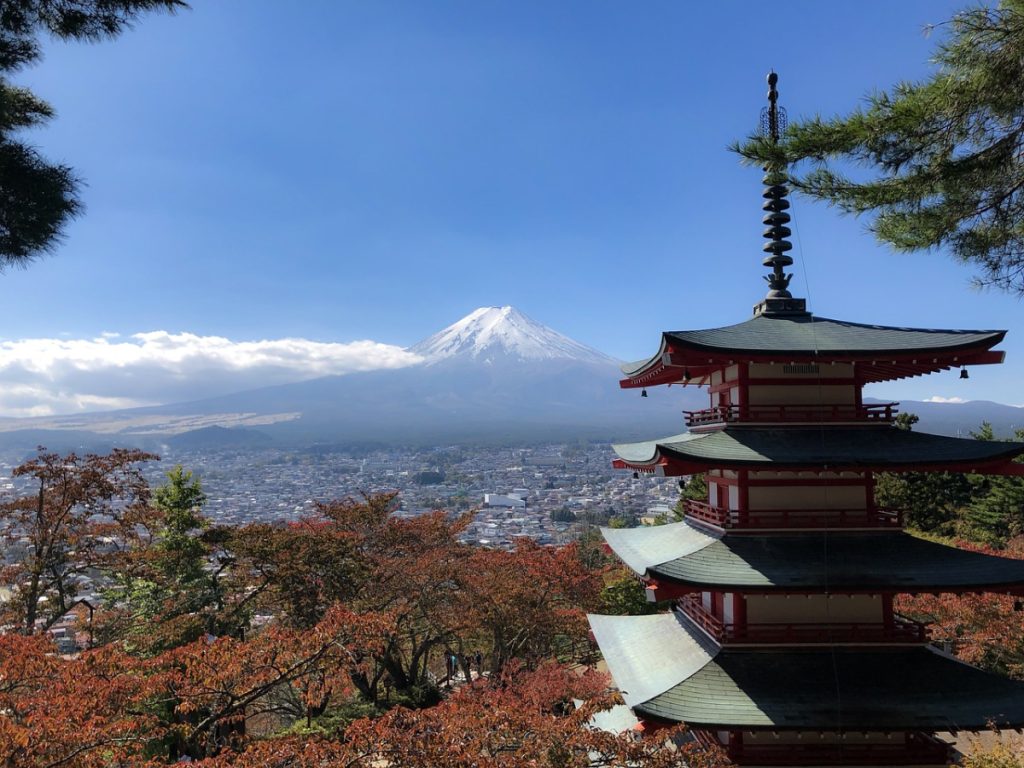
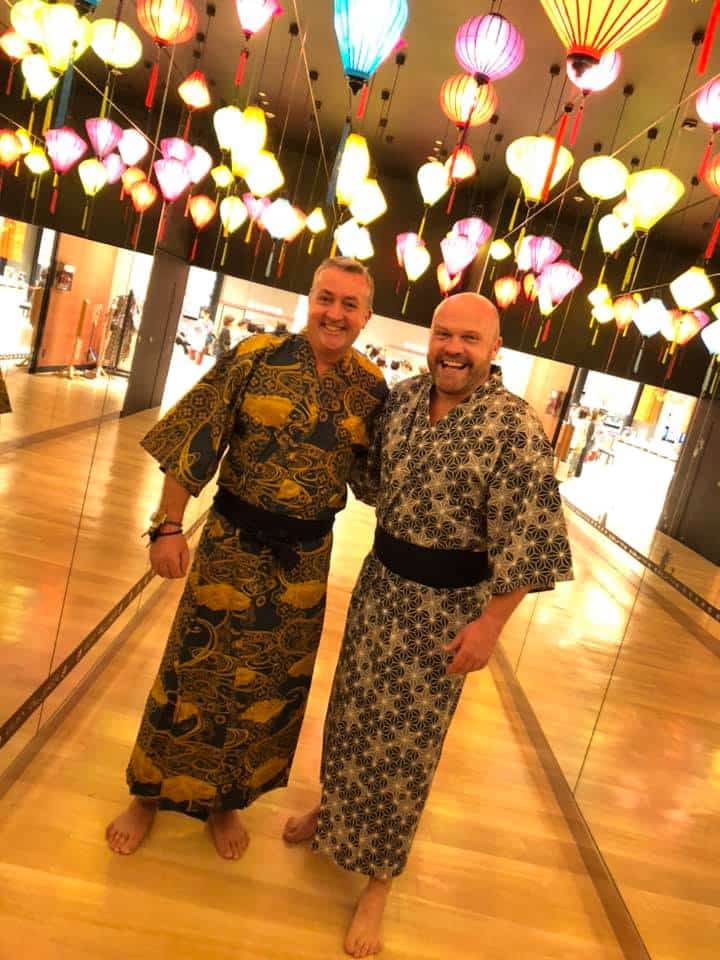
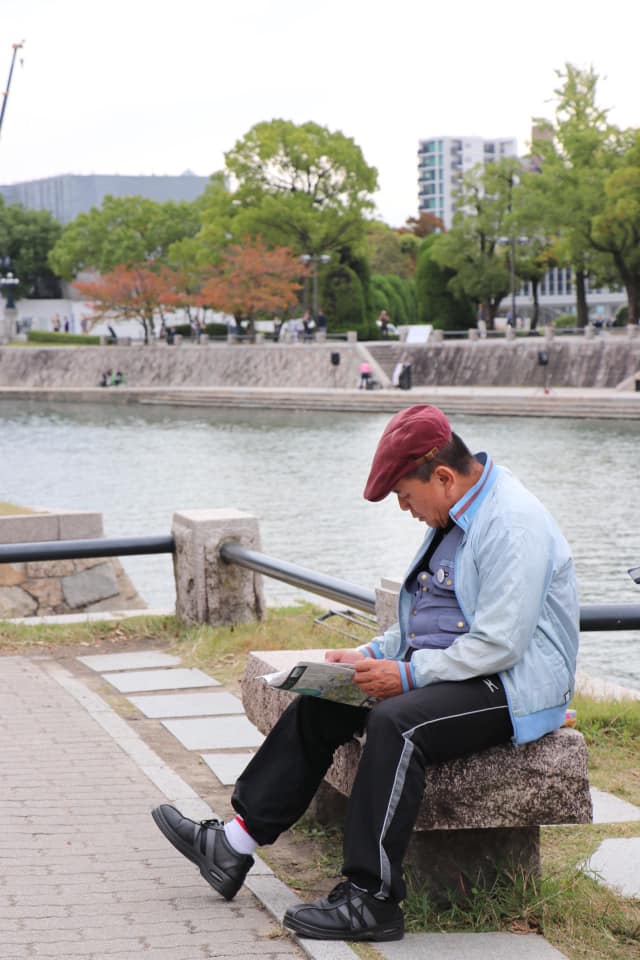
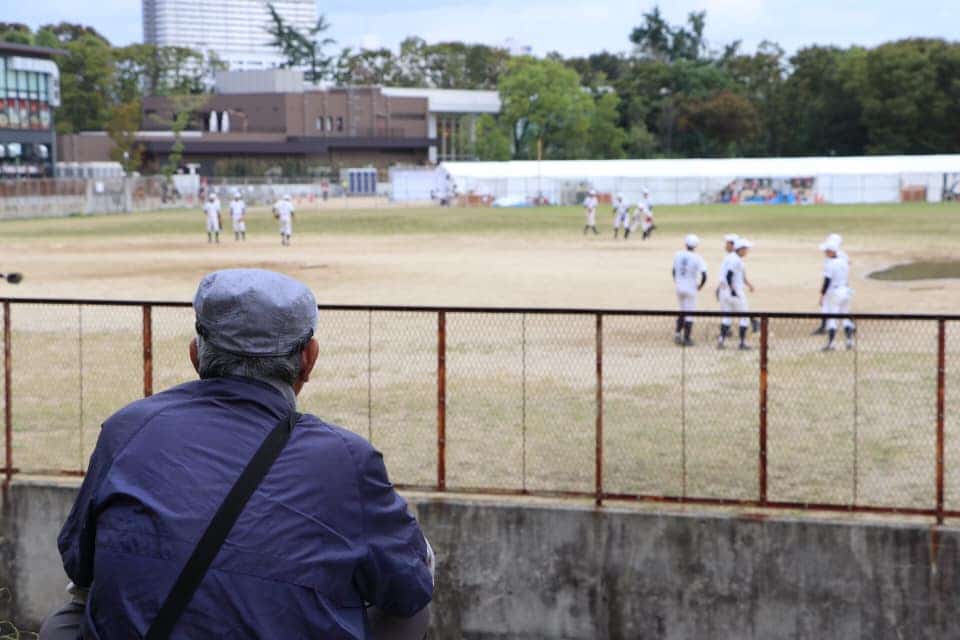
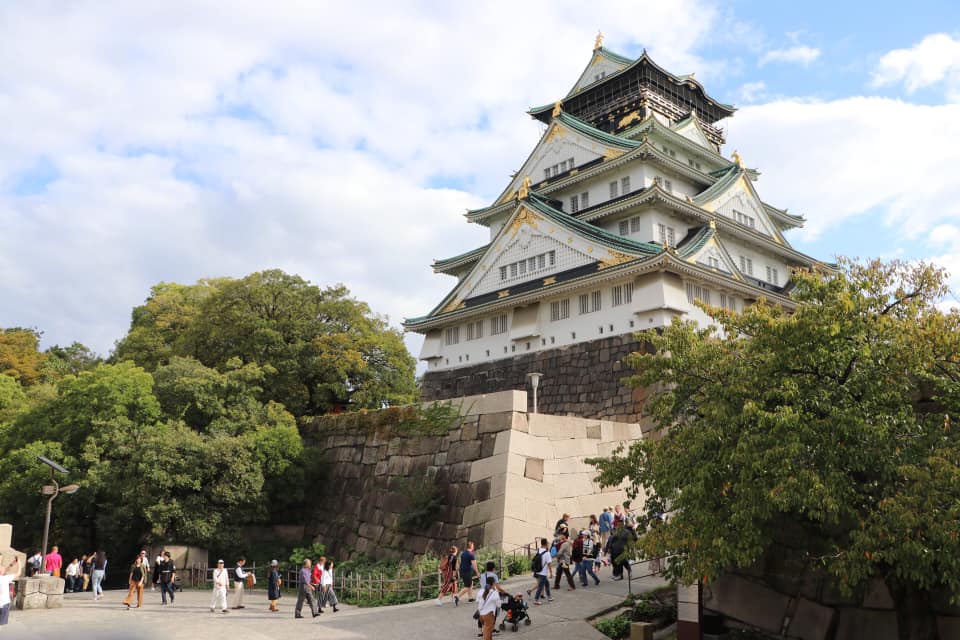
All of the photos on this page are my own and taken whilst travelling around Japan. Here are just some of my favourites.



❓Frequently Asked Questions about Japan
Is Japan expensive to visit?
Japan can suit a range of budgets. Accommodation and transport can be pricey in major cities like Tokyo, but food, convenience stores, and local transport are often good value. Travelling by rail pass and staying in business hotels or guesthouses can help reduce costs.
Do people in Japan speak English?
English is not widely spoken outside major tourist areas, but you will usually find English signs on trains, stations, and attractions. In cities such as Kyoto and Osaka, you will generally manage fine as a tourist with basic phrases and translation apps.
Do I need cash in Japan?
Yes, cash is still widely used, particularly in rural areas, smaller restaurants, and temples. However, most major hotels, shops, and restaurants in cities accept credit and debit cards.
Is Wi Fi available in Japan?
Yes, Wi Fi is common in hotels, cafes, and train stations. Many travellers also rent pocket Wi Fi devices or buy local SIM cards for reliable internet access throughout their trip.
🎯Final Thoughts
The Japanese people are simply incredible. From Tokyo to Kyoto and beyond, I found them kind, courteous, welcoming, and endlessly warm. It is hard to believe it took me 51 years to discover this amazing country, but I cannot recommend visiting Japan highly enough, even if only to restore your faith in humanity.
I filmed a short video as I left the Rugby World Cup Final in Yokohama. The volunteers, young and old, were extraordinary. On that day, they formed a line that perfectly captured the friendliness and generosity we experienced across the country.
Japan is not just about the bright lights of Tokyo or the mystical charm of Kyoto. It is a place that makes you feel alive, curious, and eager to explore further, whether wandering through hidden villages, tasting incredible local cuisine, or discovering breathtaking landscapes.
Without question, Japan is one of my top travel destinations in the world. It is vibrant, inspiring, and unforgettable. I simply fell in love with this extraordinary country.
The Japan Tourist Office provides a wide range of useful information, including places to go, things to do, and what to expect from the weather. Beyond the practical details, though, Japan is a destination that truly surprises and inspires. From bustling cities to tranquil temples, from futuristic trains to centuries old traditions, there is something to captivate every type of traveller.
Whether you are seeking adventure, culture, culinary delights, or moments of quiet reflection, Japan delivers experiences that stay with you long after you leave. I can honestly say it is one of the most memorable trips I have ever taken, and I cannot recommend it highly enough.
So pack your curiosity and get ready to discover a country that is vibrant, welcoming, and endlessly fascinating. Japan is waiting to be explored, and every journey there will leave you richer in stories, sights, and memories.