

✈ Start Here – Italy Guide
📍Map Of Italy
- Introduction to Italy
- Key Information for Italy
- Best Cities and Destinations in Italy
- Best Italian Islands to Visit
- Getting Around Italy
- Best Things To Do In Italy
- Best Time To Visit Italy
- Suggested Italy Itinerary
- Where to Stay in Italy
- Pre Bookable Excursions
- Italy Through My Lens
- Frequently Asked Questions about Italy
- Final Thoughts
🧭Introduction To Italy
There are few people who do not have a soft spot for all things Italian. A country of extraordinary beauty, rich culture, and unforgettable flavours, where pizza, pasta, passion, and the unmistakable voice of Pavarotti seem to belong together in perfect harmony.
Growing up, my father would often remark, encouraged by my mischievous mother, on his admiration for Sophia Loren, the iconic Italian actress who defined elegance and glamour in the mid twentieth century. She embodied Italy in the 1950s and 1960s, radiating grace, style, and effortless class.
If I am honest, Italy is almost a contradiction to the kind of destination I would naturally gravitate towards. The roads can feel chaotic, children and adults alike seem to fill every space with joyful noise, personal space on beaches is often a distant concept, and life moves with a wonderfully unpredictable sense of urgency and improvisation. And yet none of this seems to matter once you are there. Somehow it all becomes part of the charm, absorbed into the rhythm of a country that manages to take your breath away at every turn.
Over the years I have returned to Italy on several occasions, and each time I have wondered why I left it so long between visits. It is a feeling I have experienced elsewhere, but perhaps nowhere more strongly than here.
For a long time, I viewed Italy mainly as a destination for short breaks and city escapes, which it absolutely excels at. What I overlooked was the depth and variety it offers beyond that. In my twenties and thirties, other destinations often won out, offering brighter nightlife and lower prices, but as time has passed, places like Italy and Croatia, with their balance of culture, coastlines, and cuisine, have become far more appealing.
Today, the idea of spending a week or two in a Tuscan villa surrounded by olive groves and vineyards, or exploring a sun drenched island, or combining Venice and Rome with immersive experiences such as wine tasting, truffle hunting, or olive oil making, feels exactly right.
I have also long imagined touring Italy in an open top sports car. I did something similar in Sicily in the 1990s, although the reality was somewhat less glamorous than the dream. The idea of following the Mille Miglia route in a classic Rosso red Ferrari Dino 206 GT belongs firmly in the realm of romantic fantasy, especially when compared to navigating the frantic streets of Palermo at rush hour in 1996 in a Renault Megane convertible, silver, and very much French.
Some memories remain vivid for other reasons too. I can still recall Pecorino Romano cheese soaked in rosemary oil, paired with a glass of Chianti, enjoyed beside the breathtaking scenery of Lake Como. Moments like that stay with you, quietly reinforcing why Italy has a way of getting under your skin and never quite letting go.
🔑Key Information for Italy
| Continent: | Europe |
| Capital: | Rome |
| Currency: | Euro |
| Language: | Italian |
| Visa: | Check official UK travel advice before travelling |
| Health: | Follow current travel vaccination guidance |
| Tourist Information: | Italy Tourist Office Website |
| Best Time To Visit Japan: | May to September |
| Flight Time from the UK: | 2 Hours |
🌆Best Cities and Destinations in Italy
Italy is a country that feels like several different worlds stitched together. The north is refined and modern, the centre is rich with history and Renaissance beauty, and the south is warm, expressive, and full of character. Each region offers cities that feel distinct, yet unmistakably Italian.
Northern Italy
Northern Italy blends elegance with dramatic scenery, where fashion, finance, and culture sit against a backdrop of Dolomites mountains and lakes.
Milan is Italy’s style and business capital, where cutting edge design and high fashion meet grand architecture like the Duomo. It is fast paced, polished, and effortlessly sophisticated.
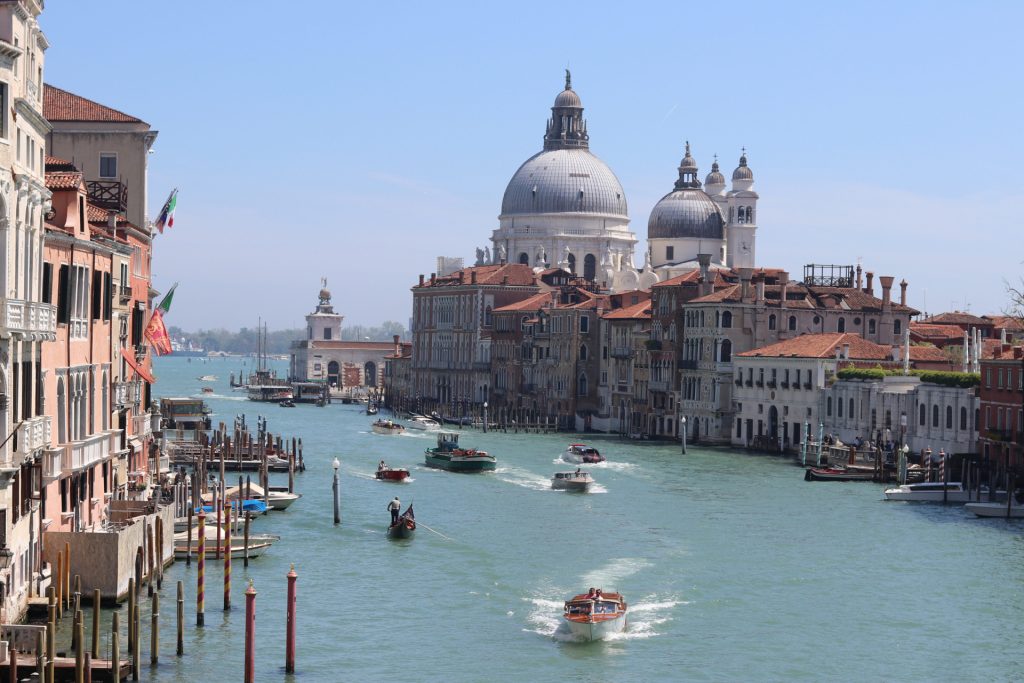
Venice is entirely unique. A floating city of canals, bridges, and winding alleys, it feels like stepping into another world. Romantic, atmospheric, and endlessly photogenic.
Bologna is one of Italy’s most underrated gems. Known for its rich culinary heritage, medieval towers, and long arcaded streets, it offers a more authentic and grounded Italian experience.
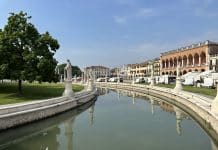
Padova is a historic university city in northern Italy, best known for its centuries old academic heritage and elegant medieval architecture. Home to one of the world’s oldest universities, it has long been a centre of learning, science, and culture, attracting scholars such as Galileo Galilei.
Vicenza is renowned for its refined Renaissance architecture, much of it shaped by the influential architect Andrea Palladio. The city has a calm, elegant feel, with harmonious buildings, grand villas, and graceful piazzas that reflect its UNESCO World Heritage status. It is a great place to appreciate classical Italian design while enjoying a more relaxed atmosphere compared to nearby larger cities.
Bergamo is a striking city divided into two distinct parts. The upper historic town, known as Città Alta, sits on a hill surrounded by Venetian walls and offers cobbled streets, medieval buildings, and panoramic views. Below, the modern lower city provides a lively contrast with shops, cafés, and contemporary life, making Bergamo a blend of old world charm and modern Italian energy.
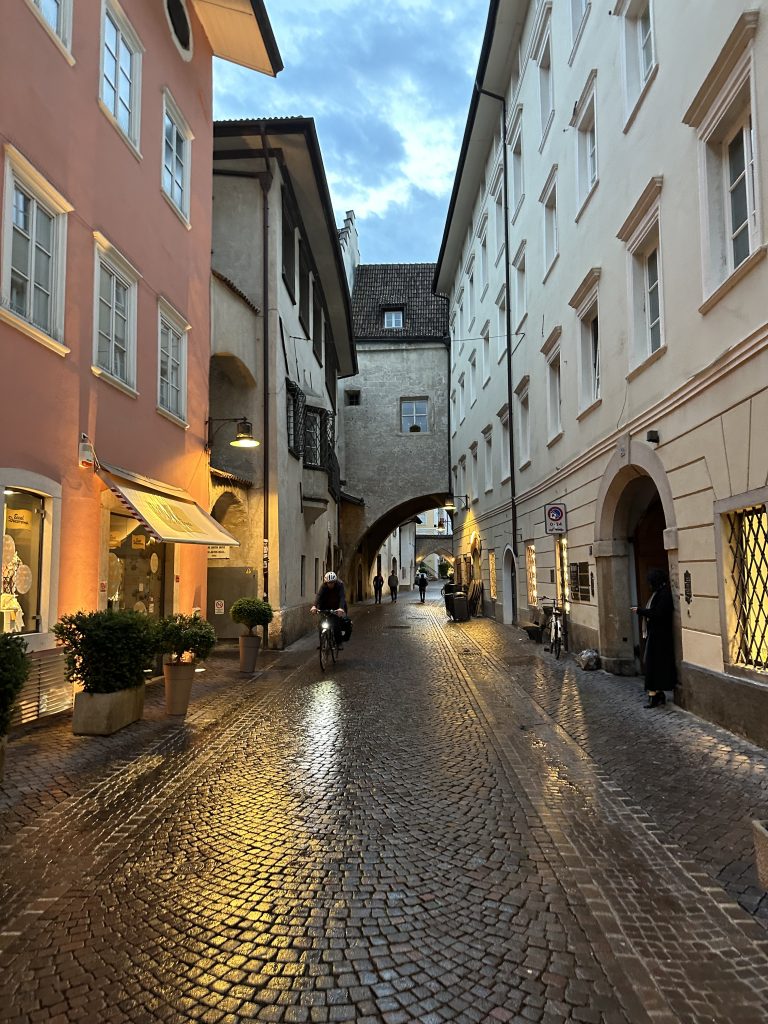
Bolzano sits at the gateway to the Dolomites and reflects a unique mix of Italian and Austrian influences. Known for its Alpine scenery, Christmas markets, and bilingual culture, the city combines mountain traditions with Mediterranean flair. It is also a popular base for outdoor activities, including hiking, skiing, and exploring the dramatic landscapes of northern Italy.
Brescia is an often overlooked gem with a rich Roman and medieval heritage. Its archaeological sites, including a well preserved Roman forum, sit alongside elegant squares and Renaissance architecture. The city has a more authentic, less touristy feel, offering visitors a chance to experience everyday Italian life while still enjoying impressive historical landmarks and excellent food.
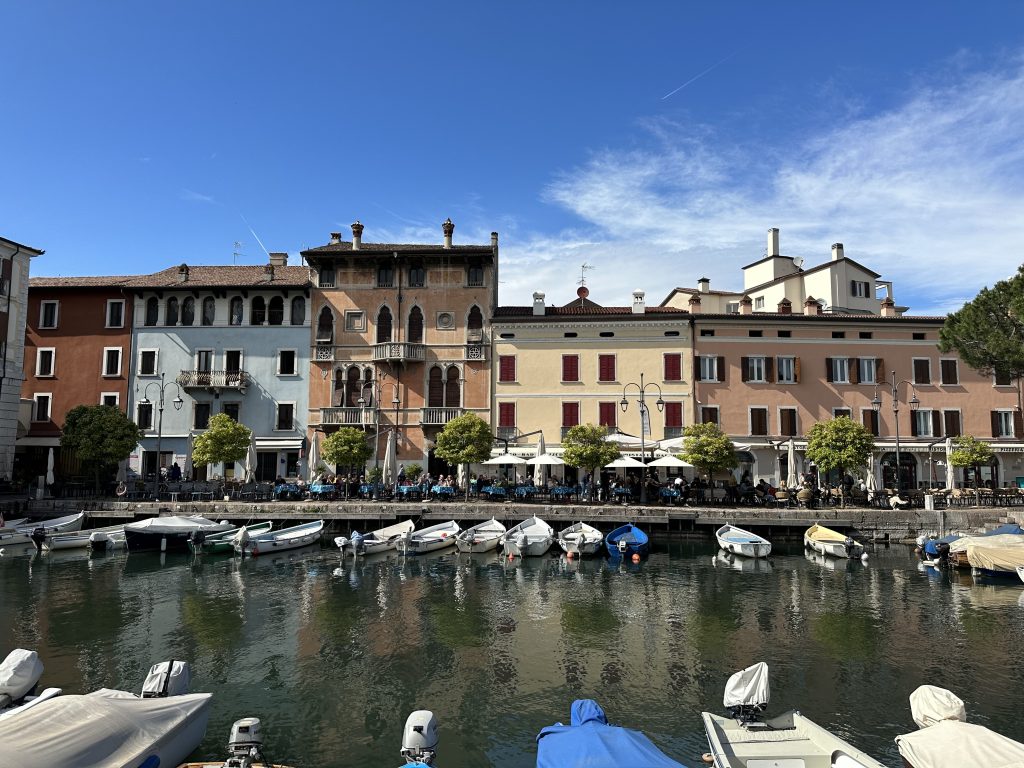
Lake Garda is the largest lake in Italy and one of its most popular natural destinations. It is known for its crystal clear waters, picturesque lakeside towns, and dramatic backdrop of mountains and olive groves. Visitors come for sailing, hiking, cycling, and relaxing in charming towns such as Sirmione and Malcesine, making it a perfect blend of nature and leisure.
Lake Iseo is a smaller and quieter alternative to nearby Lake Garda, offering a more peaceful and authentic experience. Surrounded by rolling hills and vineyards, it is home to Monte Isola, one of the largest lake islands in Europe. The lake is ideal for walking, cycling, and enjoying local food and wine while avoiding larger tourist crowds.
Central Italy
Central Italy is where history takes centre stage. This is the Italy of ancient empires, Renaissance masterpieces, and timeless architecture.
Rome is the beating heart of the country. The Colosseum, Vatican City, and Roman Forum sit alongside lively piazzas and vibrant neighbourhoods. It is chaotic, captivating, and layered with history at every turn.
Florence is the cradle of the Renaissance. Compact and breathtakingly beautiful, it is filled with world class art, elegant architecture, and a sense of cultural significance that is hard to match.
Siena feels like stepping back in time. Its medieval streets, striking central square, and strong traditions give it a slower, more atmospheric rhythm that contrasts beautifully with nearby Florence.
Southern Italy
Southern Italy is full of warmth, energy, and personality. Life here is lived outdoors, and food, family, and community are at the centre of everything.
Naples is raw, vibrant, and unapologetically authentic. It is the birthplace of pizza, set beneath Mount Vesuvius, and offers a thrilling mix of history, chaos, and incredible cuisine.
Bari provides a more relaxed Adriatic atmosphere. Its old town is full of character, with seaside promenades and easy access to the wider Puglia region’s traditional towns and countryside.
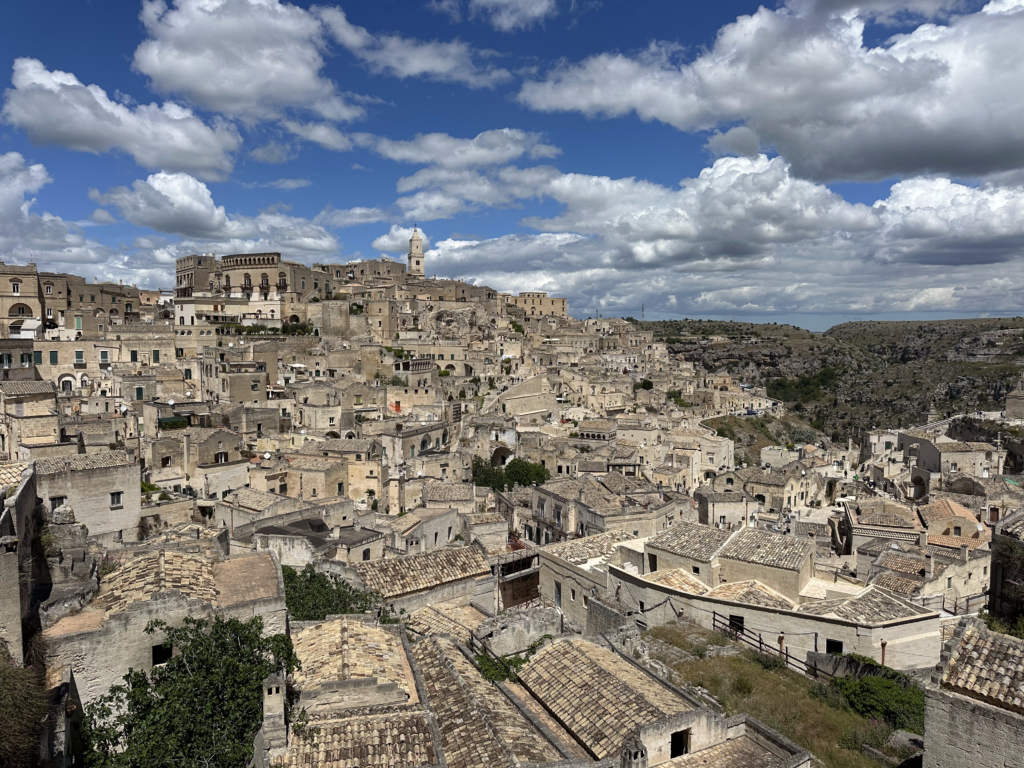
Matera is one of Italy’s most extraordinary and ancient cities. Famous for its cave dwellings known as the Sassi, it feels almost prehistoric, carved into stone and layered with thousands of years of history. Dramatic, atmospheric, and unlike anywhere else in the country, it offers a completely different perspective on southern Italy.
🌴Best Italian Islands to Visit
Italy’s islands offer a completely different rhythm of life. The pace slows, the landscapes become more dramatic, and the sense of escape is immediate. From volcanic drama to glamorous coastal hideaways, each island has its own personality and charm.
Sicily
Sicily is the largest island in the Mediterranean and feels almost like a country in its own right. It is a place where ancient Greek temples, Baroque towns, and bustling markets all sit beneath the shadow of Mount Etna. Cities like Palermo and Catania bring energy and edge, while towns such as Taormina offer sweeping sea views and elegant hilltop streets. Sicily is bold, complex, and unforgettable.
Sardinia
Sardinia is all about contrast. On one hand, it has some of the clearest turquoise waters in Europe and beaches that rival the Caribbean. On the other, its interior is rugged and traditional, with mountain villages and ancient Nuragic ruins. The Costa Smeralda is known for glamour and luxury, while much of the island remains wild, quiet, and deeply authentic.
Capri
Capri is the definition of Mediterranean glamour. Just off the coast of Naples, it has long been a retreat for artists, celebrities, and writers. Think dramatic cliffs, luxury boutiques, and the famous Blue Grotto, where sunlight turns the water an electric shade of blue. It is small, stylish, and undeniably iconic.
Ischia
Ischia offers a more relaxed alternative to nearby Capri. Known for its thermal spas, lush gardens, and volcanic landscapes, it is a place to unwind rather than be seen. The island feels greener and more grounded, with charming fishing villages and excellent local cuisine.
Elba
Elba sits off the Tuscan coast and combines history with natural beauty. Best known as Napoleon’s place of exile, it is now a peaceful escape filled with beaches, hiking trails, and crystal clear waters. It has a quieter, more understated charm compared to some of Italy’s better known islands.
The Aeolian Islands
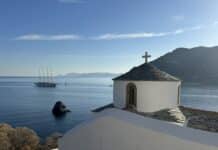
The Aeolian Islands are a volcanic archipelago north of Sicily and feel almost otherworldly. Each island has its own character, from the dramatic eruptions of Stromboli to the relaxed charm of Lipari and the chic appeal of Panarea. Sailing between them, as I did on a Star Clippers Italian Tall Ship cruise, feels like moving through a living landscape shaped by fire, sea, and time.
🚗Getting Around Italy
The main international airports in Italy are Malpensa Airport in Milan and Leonardo da Vinci Airport (also known as Fiumicino) in Rome. Visitors also frequently fly to smaller airports, including Venice Marco Polo, Naples and Comiso. In Sardinia, there are three main airports – Olbia, Alghero and Cagliari whilst in Sicily there is Catania.
Hiring a car in Italy is highly recommended if you planning to get out of the city for a reasonable amount of time. I have hired cars in Sicily and Tuscany and loved the freedom! If you are on a city break then bear in mind the streets are going to be crazy busy with traffic and scooters and even in some places cars are not allowed like in the old town of Florence. To hire a car in Italy, you must be at least 18 years old and have held your license for 1 year. An International driver’s License is expected. On average car rental works out to about £20-£25 per day so it is pretty cost-effective. Make sure you take out all the different covers as if you do venture into the cities losing a wing mirror is a distinct possibility!
The choice of both domestic and international ferry options in Italy is mind-blowing but when you consider that the majority of Italy is surrounded by sea then it is no surprise. International ferries operate in countries such as Albania, France, Spain, Sardinia, Corsica, Greece, Croatia, and many more. A useful website when planning is this is Aferry although, of course, your travel agent can often pre-arrange these itineraries in advance.
Taxis in Italian cities are usually yellow or white and as always are best hopped in at official taxi ranks for instance at railway stations, airports, and in town centres. It’s not usual to hail them on the street although you may get lucky. Taxis should have a meter, which I would advise you to check is switched on. If it’s not then agree on the fare before setting off. Taxi journeys in Italian cities aren’t for the faint-hearted with drivers regularly ignoring speed limits so it’s your call! Fares are set by the local authorities. There are often supplements should you have luggage, travelling at night or to the airport. Tipping is not expected although it’s common to round up the fare to the nearest euro.
Trains in Italy are a fantastic way to travel around. On the whole, they are cheap and reasonably reliable, although some of the older trains are not particularly comfortable. All are now non-smoking which is great news. Italy’s railway coverage is very good although of course up in the mountains and rural areas you will need to seek the use of other transport. Train services in Italy are mostly run by the state company Trenitalia. There are also a few privately run local lines. Always research your journey in advance and note the different fare classes. Once you have your ticket you are restricted to that type of service – as in the UK if you are caught using a different service then there will be a charge. I loved travelling by train in Italy – it’s easy, it’s exciting and as always letting the train take the strain allows you to marvel at some of the country’s beautiful countryside.
✔Best Things To Do In Italy
Italy is not a country you simply visit. It is a country you experience through its streets, its food, its art, and its everyday moments. The best things to do here are often simple on paper, yet unforgettable in reality.
Explore ancient Rome and its living history
Rome is one of the greatest open air museums in the world. Walking through the city brings history to life in a way few places can match. Stand inside the vast scale of the Colosseum, wander through the ruins of the Roman Forum, and take in the grandeur of Vatican City, where art, religion, and power intersect in remarkable ways. Beyond the landmarks, Rome is also about sitting in sunlit piazzas, eating gelato, and watching daily life unfold.
Lose yourself in Renaissance Florence
Florence is a masterpiece in itself. The city is best experienced slowly, with time to admire its architecture and world famous art collections. The Duomo dominates the skyline, while the Uffizi Gallery holds some of the most important works in Western art history. Crossing the Ponte Vecchio at sunset and exploring quiet cobbled streets is as memorable as any museum visit.
Drift through the canals of Venice
Venice is unlike anywhere else on earth. The best way to experience it is simply to get lost in it. Ride a vaporetto along the Grand Canal, glide through smaller waterways, and step into hidden squares where life continues quietly away from the crowds. St Mark’s Square and the surrounding palaces show the city at its most majestic, but the real magic often lies in its quieter corners.
Eat your way through Bologna
Bologna is a paradise for food lovers. This is the place to experience authentic Italian cuisine at its source. Fresh pasta, rich ragù, and local markets define the city’s identity. Beyond the food, its endless arcades and medieval towers make it one of the most atmospheric cities in Italy to simply walk and explore.
Discover art, culture, and hidden corners
Milan offers a different side of Italy, where fashion and modern life meet historic beauty. The Duomo is one of the most impressive cathedrals in Europe, while the city’s galleries and districts showcase its contemporary edge.
Siena invites you into a slower rhythm, where medieval streets and the shell shaped Piazza del Campo create an atmosphere that feels unchanged for centuries.
Matera delivers something truly unique. Its ancient cave dwellings and stone carved streets make it one of the most extraordinary places in Europe, offering a sense of history that feels almost tangible.
Experience Naples and authentic southern life
Naples is raw, energetic, and full of life. It is the birthplace of pizza, but also a city of incredible heritage and dramatic views of Mount Vesuvius. Eating street food, exploring historic districts, and embracing the organised chaos is all part of the experience.
Take time to enjoy the simple moments
Some of the best things to do in Italy are not tied to specific landmarks at all. They are found in long lunches that turn into evenings, in glasses of wine shared without urgency, in coastal drives with no fixed destination, and in quiet moments watching everyday life unfold in a piazza.
🌞Best Time To Visit Italy
Italy is a year round destination, but the experience changes dramatically depending on the season. The weather plays a huge role in shaping how you see the cities, how busy they feel, and how enjoyable it is to explore on foot.
Spring (March to May)
Spring is one of the best times to visit Italy. Temperatures are comfortably warm without being overwhelming, usually ranging from mild to pleasantly sunny across most regions. Cities like Rome and Florence are at their most enjoyable, with long daylight hours and fewer crowds than summer.
This is the season when gardens bloom, café terraces reopen, and walking through historic streets feels relaxed rather than exhausting. It is also ideal for sightseeing without the intense heat that arrives later in the year.
Summer (June to August)
Summer is peak season and brings the hottest weather. Southern cities like Naples can become very warm, often with high humidity, while northern cities such as Milan can feel hot and busy.
Coastal areas and islands tend to dominate travel plans at this time, as inland cities can feel intense in the midday sun. Expect long queues, busy attractions, and a lively atmosphere everywhere you go. It is vibrant and energetic, but not always the most comfortable for sightseeing.
Autumn (September to November)
Autumn is another excellent time to visit. The intense summer heat fades, the crowds thin out, and the weather remains pleasantly warm, especially in early autumn. Cities like Bologna and Venice are particularly enjoyable during this period.
It is also harvest season, making it a great time for food and wine experiences across the country. Outdoor dining feels relaxed again, and walking tours become far more comfortable.
Winter (December to February)
Winter is the quietest season, but still rewarding. Northern cities can be cold, especially around Venice, which can sometimes experience mist and flooding conditions. However, this also means fewer tourists and a more authentic feel.
Further south, places like Rome and Naples remain relatively mild, making them excellent for cultural trips without the crowds. It is a great time for museums, churches, and slower, more reflective travel.
📅Suggested Italy Itinerary
A week following the spirit of the original Mille Miglia is one of the most atmospheric ways to experience Italy. Made legendary in part by drivers such as Stirling Moss, who famously conquered the route in 1955, it is less about speed today and more about savouring the journey through some of Italy’s most beautiful cities and landscapes.
This itinerary follows the classic Brescia to Rome and back loop, designed for a relaxed road trip rather than a race, ideally in a vintage or open top car.
Day 1 Brescia to Verona
Start in Brescia, the traditional home of the Mille Miglia. After soaking up the motoring history, head east towards Verona. The drive is short but scenic, passing rolling countryside and vineyards. Verona itself is perfect for a first night, with its Roman arena, elegant piazzas, and romantic riverside atmosphere.
Day 2 Verona to Ferrara
Continue south towards Ferrara, a beautifully preserved Renaissance city. The route takes you through flat plains and quiet rural roads. Ferrara is compact and atmospheric, ideal for an evening walk along its ancient walls.
Day 3 Ferrara to Bologna
A short drive brings you to Bologna. This is one of Italy’s great driving and food stops. Spend the day exploring its arcaded streets, towers, and world class cuisine. It is also a natural staging point on the historic route south.
Day 4 Bologna to Florence
Today’s journey into Florence takes you through the Apennine hills, offering one of the most enjoyable driving sections of the trip. Expect winding mountain roads and dramatic views before arriving in the cradle of the Renaissance. Spend the evening in the historic centre surrounded by art and architecture.
Day 5 Florence to Siena
A short but beautiful drive brings you to Siena. This leg is all about the Tuscan countryside, with cypress lined roads and postcard scenery. Siena itself feels frozen in time, perfect for slowing the pace and enjoying the atmosphere of its medieval heart.
Day 6 Siena to Rome
The longest and most iconic stretch takes you south to Rome. The landscape gradually shifts from rolling Tuscan hills to the more dramatic approach into the capital. Arriving in Rome is a highlight in itself, with its layers of ancient history and vibrant street life.
Day 7 Rome to Brescia return
Begin the return journey north, retracing parts of the original route. Depending on your pace, you can either drive directly back to Brescia or break the journey with a stop in Bologna or Verona again. The return leg gives you a final chance to reflect on the contrasts between Italy’s north, centre, and everything in between.
This route captures the essence of the original Mille Miglia spirit, not as a race, but as a celebration of Italy itself, its roads, its history, and the timeless pleasure of the journey.
🏨Where to Stay in Italy
There is a huge variety of accommodation options in Italy including family hotels, boutique properties, youth hostels, self-catering villas, family-run B&Bs, villas, mountain monasteries, and rural farmhouses.
In recent years Agriturismo has become popular although, it originated back in the 50s with so many of us conscious of what we consume, the healthy organic homegrown farm stay has taken off. Many of the farms are suitable for the family as they allow the kids to interact with the farm animals.
Italy can be whatever you want it to be…. I love to experience the real Italy rather than the glitzy 5-star hotel offering impeccable service. and fine cuisine.
🎒 Pre Bookable Excursions
📸 Italy Through My Lens
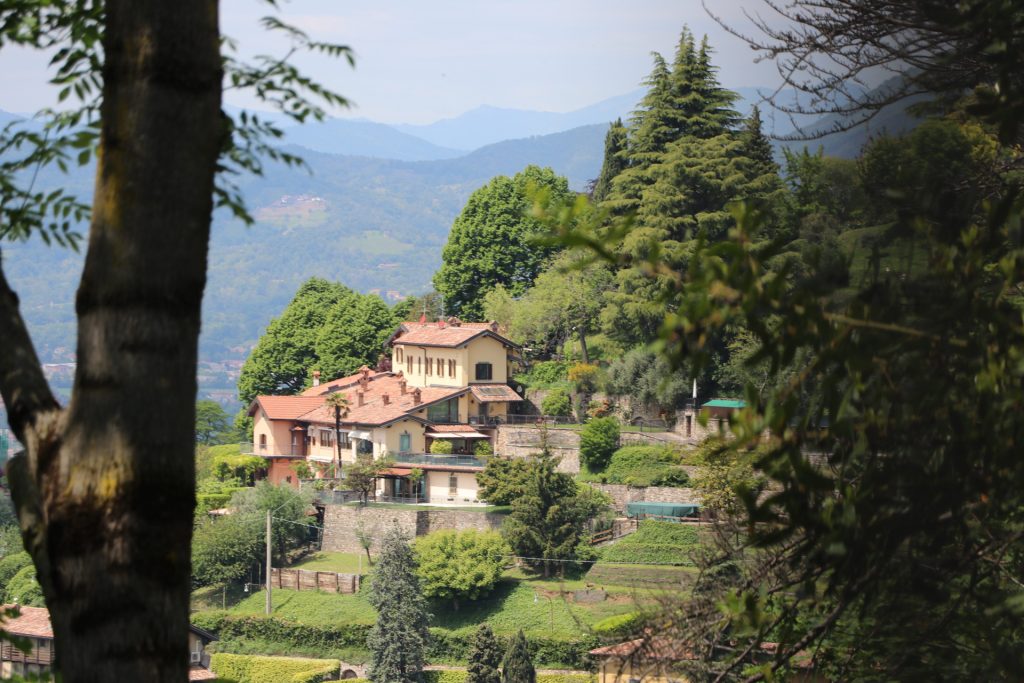


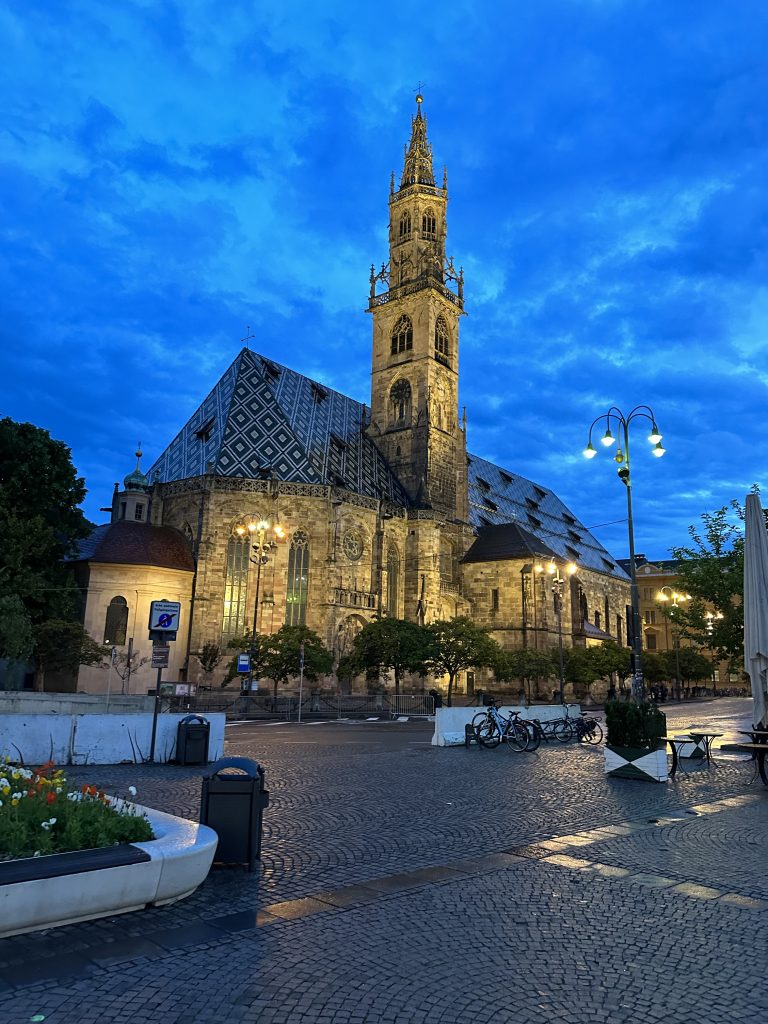

❓Frequently Asked Questions about Italy
Is Italy an expensive country to visit?
Italy can suit a wide range of budgets, but costs vary significantly depending on where you go and when you travel. Cities like Venice and Milan tend to be more expensive, especially for accommodation and dining in central areas. On the other hand, places such as Bologna or smaller towns often offer better value. Eating out can still be affordable if you stick to local trattorias and avoid heavily tourist focused restaurants. Travelling outside peak summer months can also reduce costs significantly.
Is Italy safe for tourists?
Yes, Italy is generally very safe for travellers, including solo visitors. Violent crime is rare in most tourist areas. However, in busy cities like Rome and Naples, petty theft such as pickpocketing can occur, particularly around major attractions, train stations, and crowded public transport. Basic awareness, keeping valuables secure, and avoiding obvious distractions is usually enough to stay safe.
What is the best way to pay for things in Italy?
Card payments are widely accepted in hotels, restaurants, and shops across most cities, especially in northern and central areas. However, cash is still useful, particularly in smaller towns, local markets, and some family run businesses. ATMs are easy to find, but it is worth notifying your bank before travelling. Having a mix of card and cash gives the most flexibility.
Do I need to worry about language barriers?
In major tourist areas such as Florence and Rome, English is widely understood in hotels, restaurants, and attractions. Outside these areas, English may be less common, but basic Italian phrases are usually appreciated. Simple greetings and polite expressions go a long way, and locals are often very helpful even when communication is limited.
🎯Final Thoughts
Italy is one of those rare destinations that rarely matches expectation because it quietly exceeds it. It is a country built on contrasts. Grand history and everyday chaos, refined art and noisy streets, world class cuisine and spontaneous simplicity, all existing side by side in a way that somehow works perfectly.
From the ancient layers of Rome to the Renaissance beauty of Florence, from the canal lined charm of Venice to the raw energy of Naples, each place offers a completely different version of the same country. That is perhaps Italy’s greatest strength. You can return again and again and still feel like you are discovering something new.
It is also a place that encourages you to slow down, whether that is through long lunches that stretch into the afternoon, evening walks through illuminated piazzas, or simply sitting with a coffee and watching life unfold. The best moments are often unplanned.
Italy does not always run smoothly. It is not perfectly ordered, and it rarely tries to be. But that is part of its character. The charm lies in the unpredictability, the warmth of its people, and the feeling that life here is lived with a little more passion and a little less haste.
Ultimately, visiting Italy is less about ticking off landmarks and more about how it makes you feel. It is a country that stays with you long after you leave, and one that almost always draws you back for another look.
For more information on visiting Italy contact the Italian Tourist Office or contact your local travel agent or tour operator.






What a fantastic guide! I really appreciate how you’ve combined practical travel tips with inspiration, making it useful for both first-time visitors and those returning to explore more of Italy. The balance between iconic cities, local experiences, and helpful planning advice makes this much more than a typical destination guide. As someone from Nepal, I enjoy reading travel content that encourages travelers to slow down and experience the culture, food, and history rather than just rushing between attractions. I’ve also been exploring several of your other articles on this website, and they consistently provide valuable insights and enjoyable storytelling. Thanks for sharing such a well-crafted guide it’s definitely inspired me to add more of Italy to my travel bucket list!