
✈ Start Here – India Guide
🧭 Introduction To India
India is a country of extraordinary contrasts, from the energy and colour of cities such as Delhi, Mumbai and Jaipur to ancient temples, spectacular landscapes, wildlife-rich national parks and the beaches of Goa and Kerala.
For travellers, the sheer scale and variety of India can make knowing where to start a challenge. There are iconic sights such as the Taj Mahal, fascinating cities packed with history and culture, opportunities to experience India’s wildlife and some wonderful places to simply slow down and enjoy the surroundings.
This India travel guide brings together ideas on the best places to visit, things to see and do, and practical information to help you start planning a trip to one of the world’s most diverse destinations.
🔑 Key Information for India
| Continent | Asia |
| Capital | New Delhi |
| Currency | Indian Rupee |
| Language | Hindi, English and numerous regional languages |
| Best Time To Visit | Generally October to March, although this varies considerably by region |
| Visa | FCO Advice |
| Vaccinations | Vaccination Advice |
| Tourist Office | Incredible India |
🌞 Best Time To Visit India
India’s enormous size means there is no single best time to visit the entire country. The weather varies considerably between the Himalayan north, the cities and deserts of Rajasthan, and the tropical south.
For many of India’s most popular destinations, October to March is generally one of the most comfortable periods to travel, with cooler and drier conditions across much of the country.
October to March – A popular time for sightseeing in Delhi, Agra, Rajasthan and much of southern India, with generally more comfortable temperatures.
April to June – Temperatures can become extremely hot across many central and northern areas, although this can be a good time to visit some of India’s cooler hill and mountain regions.
June to September – The southwest monsoon brings significant rainfall to many parts of India. Travel is still possible, but conditions vary considerably depending on the region.
The Himalayas – The best time to visit depends heavily on where you are travelling and what you plan to do, with some high-altitude areas having very different seasons from the rest of India.
Always check the expected weather for the specific regions you plan to visit rather than relying on a country-wide forecast.
✈️ How To Get To India From The UK
Flying is by far the easiest way to travel from the UK to India, with a choice of direct and connecting services linking the UK with major Indian cities.
Flying from the UK to India
London offers the widest choice of flights, with direct services available to major gateways such as Delhi and Mumbai. Depending on your final destination, connecting flights can provide access to cities and holiday regions throughout India.
If you are travelling from elsewhere in the UK, it is often possible to connect through London or one of the major European, Middle Eastern or Indian airline hubs.
Which Airport Should You Fly To?
Delhi – A good gateway for northern India and itineraries incorporating Agra, Jaipur and Rajasthan.
Mumbai – Well placed for exploring western India and for onward connections to destinations including Goa.
Goa – Ideal if the beaches of Goa are the main focus of your trip, although flight options from the UK may involve a connection.
Kochi – A useful gateway for Kerala and the backwaters of southern India.
Before You Travel
British citizens require a visa to visit India unless they hold an eligible Overseas Citizen of India (OCI) card. Passport and entry requirements can change, so always check the latest official travel advice before booking and again before departure.
🚗 Getting Around India
India is a vast country, so how you choose to travel will depend largely on the distances involved and how much time you have available.
By Train
India has an extensive railway network and travelling by train can be a great way to cover longer distances while seeing more of the country along the way. There are numerous types and classes of train, so it is worth researching your journey and booking popular routes in advance.
By Air
For longer journeys, domestic flights can save a considerable amount of time. India’s major cities and many regional destinations are connected by domestic air services, making flying particularly useful when combining different parts of the country in one trip.
By Road
Buses, taxis and private cars are widely used for journeys by road. For longer sightseeing itineraries, particularly those involving several stops, arranging a car with a driver can also be an option worth considering rather than driving yourself.
Getting Around Cities
Within India’s cities, transport options vary but commonly include taxis, auto-rickshaws, buses and, in some major cities, metro systems. Agree or confirm the fare before travelling where a metered or app-based fare is not being used.
Allow plenty of time when travelling in and around major cities, as traffic and journey times can vary considerably.
🏨 Where To Stay In India
India offers an enormous choice of accommodation, from luxury hotels and historic palace properties to beach resorts, homestays, guesthouses and inexpensive hostels. Where you choose to stay will largely depend on your itinerary and the type of experience you are looking for.
Delhi – A convenient starting point for many first-time visitors and a good base for exploring India’s capital before travelling onwards to Agra and Rajasthan. New Delhi offers plenty of international and luxury hotels, while other areas provide a wider choice of smaller and more affordable accommodation.
Agra – Staying overnight in Agra allows more time to explore the Taj Mahal and the city’s other historic sights without having to rush back to Delhi. There are hotels to suit most budgets, including properties with views towards the Taj Mahal.
Jaipur & Rajasthan – One of the most atmospheric places to stay in India, with accommodation ranging from simple guesthouses to beautiful heritage hotels and converted palaces. Jaipur also makes a good base for exploring the city’s forts, palaces and markets.
Mumbai – South Mumbai is particularly convenient for many of the city’s historic sights, while areas around Marine Drive offer easy access to the waterfront. Mumbai has everything from major luxury hotels to smaller independent properties.
Goa – Choose your location carefully, as different parts of Goa offer very different experiences. You’ll find lively beach resorts as well as quieter coastal areas, boutique hotels and more secluded retreats.
Kerala – Accommodation is part of the experience here. Alongside hotels and resorts, you can stay in homestays, tea-country retreats and traditional houseboats while exploring Kerala’s famous backwaters.
Whatever your budget, it is worth comparing the location of your accommodation carefully. In India’s larger cities, staying close to the places you want to visit can make a considerable difference to the amount of time spent travelling each day.
✔ Best Places To Visit In India
India offers an extraordinary variety of places to discover, from historic cities and magnificent palaces to tropical beaches, wildlife reserves and the dramatic landscapes of the Himalayas.
For a first visit, these are some of the destinations that showcase the diversity of the country and provide a great starting point when planning an India itinerary.
Delhi
India’s capital combines historic monuments, colourful markets and the energy of a modern city. Highlights include the Red Fort, Humayun’s Tomb, Jama Masjid and the bustling streets and bazaars of Old Delhi.
Agra
Agra is home to India’s most famous landmark, the Taj Mahal. The city also offers impressive Mughal architecture including Agra Fort and makes a natural addition to a journey through Delhi and Rajasthan.
Jaipur & Rajasthan
Known as the Pink City, Jaipur is one of the highlights of Rajasthan and is famous for its palaces, forts and colourful bazaars. Beyond Jaipur, Rajasthan offers historic cities including Jodhpur, Udaipur and Jaisalmer, making this one of India’s most rewarding regions to explore.
Mumbai
Mumbai is India’s great coastal metropolis, combining historic architecture, markets, food and a fast-paced contemporary culture. The Gateway of India and Marine Drive are among its best-known sights.
Goa
Goa provides a completely different side to India. Its long coastline, beaches, Portuguese-influenced heritage and relaxed atmosphere make it a popular choice for combining sightseeing elsewhere in India with some time by the sea.
Kerala
Tropical Kerala is known for its palm-fringed landscapes, waterways, beaches and hill country. Cruising the Kerala backwaters aboard a traditional houseboat is one of the region’s most distinctive experiences.
Varanasi
Set beside the River Ganges, Varanasi is one of India’s most important spiritual cities. Its ghats, temples and evening ceremonies offer visitors an insight into traditions that have shaped the city for centuries.
Ladakh
High in northern India, Ladakh offers a dramatic contrast to the country’s great cities and tropical south. Mountain landscapes, Buddhist monasteries and remote valleys make it particularly appealing to travellers interested in scenery, trekking and adventure.
✨ Best Things To Do In India
Beyond its cities and landscapes, India offers an enormous variety of experiences, from world-famous monuments and wildlife encounters to food, festivals and spectacular railway journeys.
See the Taj Mahal
No list of India’s great experiences would be complete without the Taj Mahal. This magnificent white-marble mausoleum in Agra is one of India’s most recognisable landmarks and is particularly atmospheric around sunrise and sunset.
Experience India’s Wildlife
India is one of Asia’s great wildlife destinations. National parks including Ranthambore, Bandhavgarh and Kaziranga offer opportunities to encounter an extraordinary variety of wildlife, with Bengal tigers and the greater one-horned rhinoceros among the headline attractions.
Cruise the Kerala Backwaters
Explore Kerala’s network of tranquil waterways aboard a traditional houseboat, passing palm-fringed landscapes, villages and lush countryside. It offers a wonderfully different perspective on southern India.
Discover Indian Food
Food is an essential part of experiencing India, with flavours and specialities changing considerably from one region to another. Explore local restaurants, markets and street food and discover everything from aromatic curries and biryanis to dosas, chaats and Indian sweets.
Explore India’s Forts and Palaces
Rajasthan is particularly famous for its magnificent forts and palaces. Jaipur, Jodhpur and Udaipur are among the best-known destinations for discovering India’s royal heritage and impressive architecture.
Take a Memorable Train Journey
Rail travel is an experience in itself in India. For something particularly memorable, the historic Darjeeling Himalayan Railway winds through the hills of West Bengal with spectacular mountain scenery along the way.
Search for Tigers on Safari
For wildlife lovers, joining a guided safari in one of India’s tiger reserves can be a highlight of a trip. Ranthambore and Bandhavgarh are among the country’s best-known reserves, although wildlife sightings can never be guaranteed.
Experience the Ganges at Varanasi
The ghats beside the River Ganges are at the heart of life in Varanasi. Witnessing the evening Ganga Aarti ceremony provides a fascinating insight into the religious and cultural importance of one of India’s most sacred cities.
🐅 Wildlife In India
India is one of the world’s most exciting wildlife destinations, with an extraordinary variety of habitats ranging from Himalayan mountains and tropical forests to wetlands, grasslands and mangroves.
The Bengal tiger is undoubtedly India’s most famous wild resident, and national parks such as Ranthambore, Bandhavgarh and Kanha are well known for tiger safaris. Sightings are never guaranteed, but these protected landscapes are also home to deer, monkeys, wild boar, leopards and an impressive variety of birdlife.
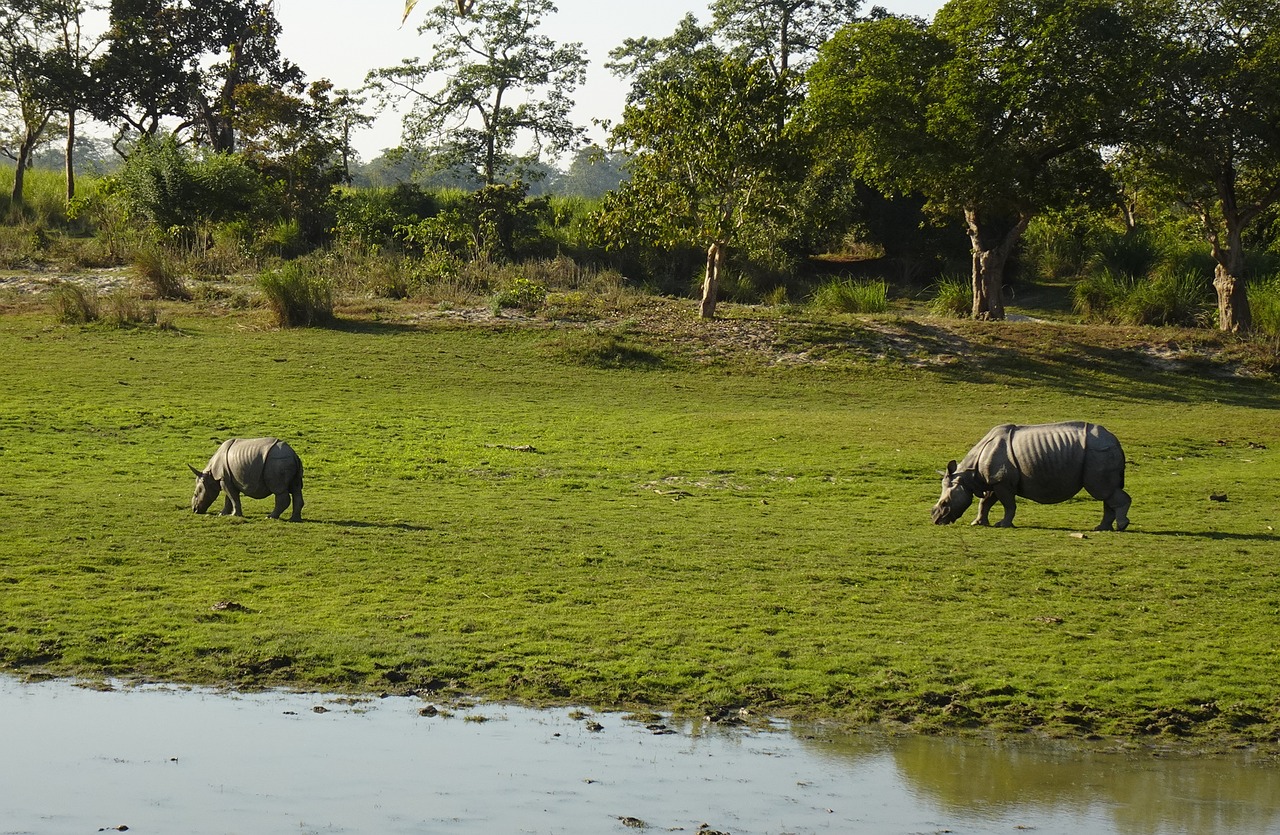
In northeast India, Kaziranga National Park in Assam is particularly famous for the greater one-horned rhinoceros. The park is also home to elephants, wild water buffalo, deer and a remarkable variety of birds.
Elsewhere, India’s wildlife highlights include Asiatic lions in Gujarat’s Gir National Park, elephants in southern India and an extraordinary diversity of birdlife throughout the country.
For wildlife enthusiasts, including one or more national parks can add a completely different dimension to an India itinerary.
🎒 Pre Bookable Tours & Excursions
🎯 Final Thoughts
India is a destination that offers an extraordinary amount of variety. Magnificent cities and ancient monuments sit alongside tropical beaches, spectacular wildlife, Himalayan landscapes and some of the world’s most distinctive food and culture.
For first-time visitors, the sheer size of the country can make planning a trip feel a little overwhelming. Rather than trying to see too much, choose a region or a handful of destinations that particularly interest you and allow enough time to experience them properly.
Whether your plans involve the Taj Mahal and Rajasthan, the beaches of Goa, the backwaters of Kerala or searching for wildlife in one of India’s national parks, India offers countless possibilities for a memorable journey.
I hope this guide has given you some inspiration and practical information to help you start planning your own Indian adventure.
📌 India Tourist Information
The India Tourist Board provides a wide choice of useful information including places to go, things to do and what you can expect from the weather.